

Introduction
In the fast-paced world of aesthetic medicine, the staff training impact on Laser and Intense Pulsed Light (IPL) treatments is paramount for ensuring effective and safe outcomes. These advanced technologies have transformed how we address various skin issues, ranging from hair removal to skin rejuvenation. However, the complexity of these procedures requires well-trained personnel who can execute them safely and effectively.
Understanding Laser and IPL Technologies
What are Laser and IPL Treatments?
Laser and IPL are both energy-based techniques widely employed in aesthetic and medical practices. While they share some similarities, they operate under different mechanisms and cater to various applications.
Lasers use focused light beams that emit energy at specific wavelengths, ultimately targeting specific structures within the skin. This precision allows for effective treatment of concerns like acne scars, pigmentation issues, and wrinkles.
On the other hand, IPL utilizes a broader spectrum of light that is less focused compared to lasers. This multi-wave light helps address various skin conditions in a single session and is commonly used for skin rejuvenation, hair removal, and vascular lesions.
Common Applications in Aesthetic and Medical Practice
Both technologies have found extensive applications in the fields of dermatology and cosmetic surgery. Common uses include:
- Hair removal
- Treatment of skin pigmentation and irregularities
- Acne scar treatment
- Photorejuvenation for skin tightening and anti-aging
- Vascular lesion treatment
Factors Affecting Treatment Outcomes
The efficacy of laser and IPL treatments can vary widely based on several factors, with two critical components being skin types and equipment settings.
Skin Types and Conditions
Individual skin types significantly influence the response to treatment. Factors such as skin tone, thickness, and sensitivity must be meticulously evaluated to develop an appropriate treatment plan that maximizes results and minimizes the risk of side effects.
Equipment Settings and Maintenance
Properly calibrated devices are essential for optimal treatment outcomes. Inadequate settings can lead to adverse effects such as burns or pigmentation changes, reinforcing the critical need for trained personnel who can assess and adjust equipment accordingly.
The Role of Staff Training in Treatment Effectiveness
Staff Training Impact on Clinical Outcomes
The staff training impact on clinical outcomes can be profound. Comprehensive training programs equip practitioners with the knowledge and skills necessary to perform laser and IPL treatments proficiently. Without adequate training, practitioners may resort to trial-and-error methods, which can compromise treatment quality.
Knowledge of Equipment and Techniques
Understanding the various types of equipment, their specific functionalities, and the techniques associated with each procedure is crucial. Staff trained in these aspects not only enhance their efficiency but also maintain higher safety standards.
Skill Development in Treatment Application
Hands-on training helps develop necessary skills in treatment application. This practice ensures that skilled operators can execute procedures with precision, which is vital in preventing adverse effects and achieving desirable patient outcomes.
Enhancing Patient Safety through Training
Patient safety is a primary concern in any medical or aesthetic treatment. Proper training equips staff with the essential knowledge to handle diverse scenarios, ensuring safety for every patient.
Understanding Contraindications and Risks
Each treatment comes with its own set of contraindications and potential risks. Trained personnel are well-versed in identifying patients who may not be suitable candidates for certain procedures, thereby preventing complications that may arise from inappropriate treatment.
Emergency Protocols and Conflict Resolution
Unexpected situations can arise during treatments. A well-structured training program prepares staff to handle emergencies and conflicts effectively, ensuring that both patients and personnel are safe and supported throughout the process.
Components of Effective Staff Training Programs
Initial Training and Certification

An organized training program should commence with a comprehensive initial training phase which serves as a foundation for all future learning.
Essential Knowledge Areas
During initial training, practitioners should cover a wide range of topics which include:
- The science behind laser and IPL technologies
- Equipment operation and maintenance
- Safety protocols for patient and staff protection
Hands-on Training and Assessments
While theoretical knowledge is important, it must be complemented by hands-on training. Practical assessments ensure that personnel can accurately and safely operate the equipment, fostering both confidence and competence.
Continuous Education and Skill Refreshers
With advancements in technology and treatment techniques rapidly evolving, continuous education is critical. This commitment to ongoing learning can significantly enhance treatment effectiveness and patient safety.
Keeping Up with Technological Advancements
Healthcare professionals must stay updated on the latest innovations and research in the field of aesthetic medicine. Continuous education offers practitioners the opportunity to refine their skills and learn new techniques that may improve treatment success rates.
Workshops and Seminars
Regular workshops and seminars can provide an interactive forum for the exchange of knowledge and skills. These events help ensure that practitioners are well-versed in the latest advancements and trends in laser and IPL treatments.
Measuring the Effectiveness of Training Programs
Key Performance Indicators
To assess the effectiveness of training programs, clinics should develop key performance indicators (KPIs) that can provide insight into how well the training translates into clinical practice.
Treatment Success Rates
Monitoring treatment success rates is crucial in determining whether training programs are effective. High success rates often correlate with adequate practitioner training, indicating that staff are applying their skills and knowledge correctly.
Patient Satisfaction and Feedback
Gathering patient feedback can offer valuable insights into their experiences. High levels of patient satisfaction may reflect the quality of care provided by well-trained staff, thereby demonstrating the positive impact of training.
Success Stories and Case Studies
Real-world examples of how rigorous training has improved outcomes can be compelling. Clinics often share success stories and case studies that highlight the transformation in patient care following the implementation of structured training programs.
Examples of Improved Outcomes from Rigorous Training
For instance, a clinic that invested significantly in staff training saw a notable decrease in adverse treatment effects, thus enhancing their overall reputation and patient trust. Such success stories can inspire other clinics to prioritize training.
Testimonials from Patients and Staff
Testimonials serve as powerful endorsements of training programs. Testimonials from satisfied patients and motivated staff can further solidify the perceived value of ongoing education and the commitment to quality care.
Conclusion
In conclusion, the impact of staff training on maximizing the effectiveness of laser and IPL treatments cannot be overstated. Comprehensive training programs are essential to not only ensure compliance with regulatory standards but also to cultivate a culture of safety and excellence in treatment delivery.
Clinics and treatment centers are encouraged to invest in their workforce through structured training programs and ongoing education. The evolution of technology necessitates a dedicated approach to training, ensuring that practitioners are equipped with the latest knowledge and skills.
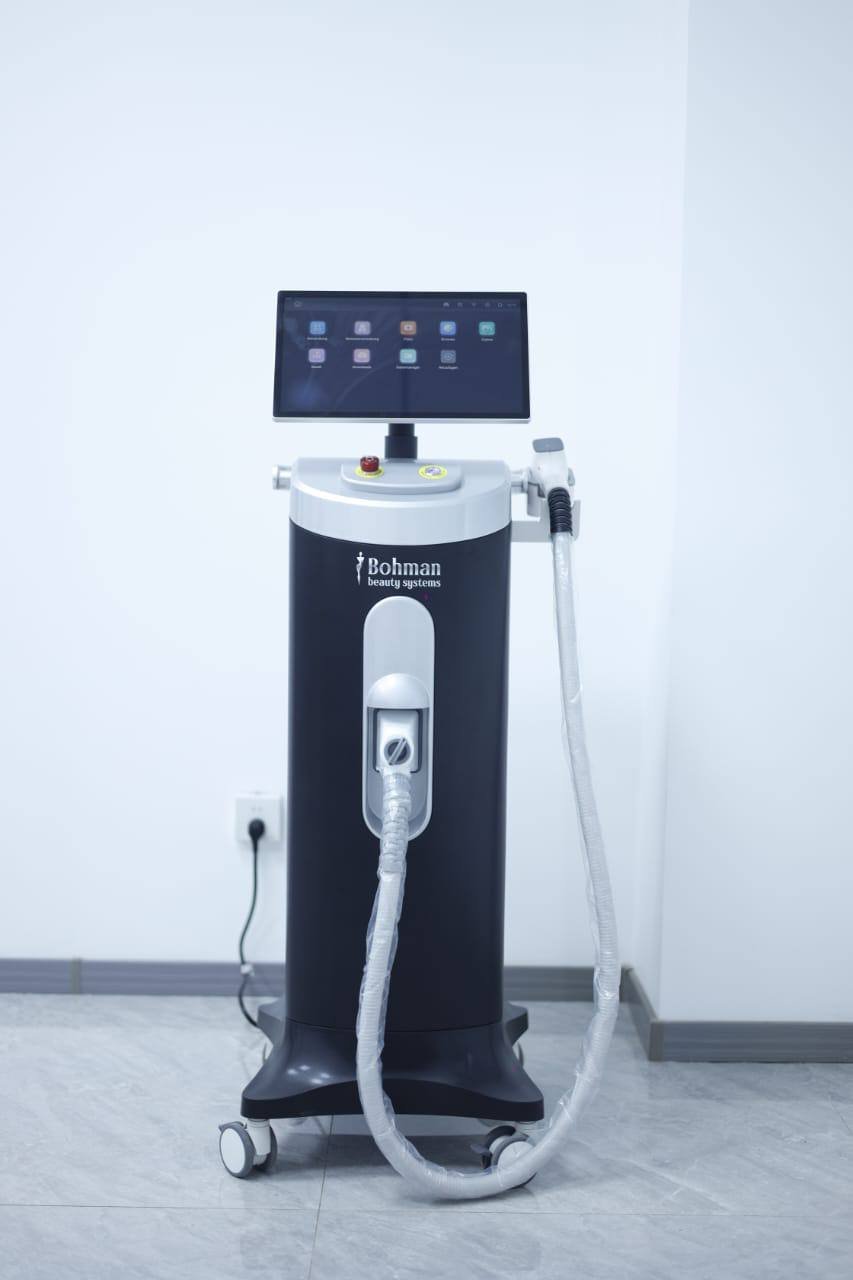
As clinics strive for excellence in patient care, investing in advanced equipment like the DL 6000 Pro 4 diode laser from Bohman Beauty Systems can complement these training efforts. This turnkey solution can enhance the treatment experience for patients and improve outcomes by ensuring that the machinery operated by well-trained professionals delivers optimal results.
As we move into the future of laser and IPL treatments, a continued focus on education and technology will pave the way for higher standards in patient care and treatment effectiveness.