

The Role of Skin Type in Choosing Between Laser and IPL Treatments
Skin type treatments play a crucial role in determining the effectiveness and safety of aesthetic procedures such as laser and Intense Pulsed Light (IPL) treatments. Understanding your specific skin type, classified by the Fitzpatrick scale, can help in selecting the most appropriate treatment for various skin concerns. With advancements in technology and an array of options available, comprehending the nuances of each procedure makes all the difference in achieving optimal results. This comprehensive guide will help you navigate the landscape of laser and IPL treatments based on skin type.
Introduction to Skin Types
The Fitzpatrick skin type scale is an essential tool created by dermatologist Dr. Thomas Fitzpatrick to categorize skin responses to ultraviolet light. It classifies skin into six types, ranging from Type I (extremely fair skin that always burns and never tans) to Type VI (darkest brown skin that never burns and tans very easily). Understanding these skin types is paramount because they influence the types of treatments you might consider, and they can significantly impact treatment outcomes.
In aesthetic procedures, different skin types react uniquely to laser and IPL treatments. For instance, patients with lighter skin tones (Types I-III) may be eligible for a wider range of laser treatments, whereas patients with darker skin (Types V-VI) need more specific options to minimize risks associated with pigmentation changes. Thus, it is vital to engage in skin type treatments to ensure safety and effectiveness.
Importance of Skin Type in Aesthetic Procedures
Skin type has a profound impact on how effective and safe treatment options may be. The risk of adverse effects varies according to skin type, with lighter skin generally embracing a broader spectrum of treatment options. Additionally, the absorption of light energy varies across different melanin levels, making certain methods less effective or riskier for particular skin types. Effectively assessing personal skin conditions with a professional can lead to tailored solutions that mitigate risks and enhance results.
Overview of Laser Treatments
Types of Laser Treatments
Laser treatments can be broadly categorized into ablative and non-ablative lasers, each serving different purposes and providing unique benefits.
Ablative vs. Non-Ablative Lasers
Ablative lasers, such as CO₂ lasers, work by removing layers of the skin to promote healing and collagen production. They are typically suitable for more severe skin damage. Non-ablative lasers, like the Alexandrite or Nd:YAG laser, stimulate collagen and tissue without disrupting the skin surface. Each type involves different recovery times and effects, making the selection crucial based on skin type and treatment goals.
Common Indications for Laser Treatments
- Hair removal
- Skin resurfacing
- Treatment of pigmented lesions
- Vascular lesions
- Scar reduction
- Wrinkle treatment
Pros and Cons of Laser Treatments
Laser treatments have their share of benefits and potential disadvantages, influenced greatly by the patient’s skin type.
Effectiveness for Different Skin Types
Fair-skinned individuals (Types I-III) can utilize various laser options for effective hair removal or skin resurfacing due to their skin’s minimal melanin, allowing for targeted treatment outcomes. Depending on the treatment, medium to dark-skin individuals (Types IV-VI) may require particular types like the Nd:YAG laser to minimize adverse effects such as changes in pigmentation.
Potential Side Effects
- Redness and swelling
- Burns or blisters
- Hyperpigmentation or hypopigmentation
- Scarring
- Prolonged discomfort
While serious side effects are rare with professional treatment, they are more likely in patients with darker skin types that absorb more light energy. Therefore, a thorough consultation with a dermatologist is advised before proceeding with any laser treatment.
Overview of Intense Pulsed Light Treatments
How IPL Works
IPL treatments differ from lasers as they employ a broader spectrum of light to address various skin issues, using multiple wavelengths to target specific conditions.
The Technology Behind IPL
The light emitted from an IPL device penetrates the skin at various depths and is absorbed by chromophores such as melanin and hemoglobin. This targeted approach allows for the effective treatment of pigmentation issues, vascular lesions, and general skin rejuvenation.
Common Uses of IPL Treatments
- Treating sun damage
- Reducing redness
- Promoting overall skin tone and texture
- Treating rosacea
- Hair removal
Advantages and Disadvantages of IPL
IPL offers both advantages and disadvantages based on skin type considerations, with varying outcomes and safety profiles.
Suitability for Various Skin Types

IPL is most effective on lighter skin types (Types I-IV), where the contrast between skin and target areas is greater. This ensures efficient absorption of the light energy by the target zones while sparing the surrounding skin, thus reducing risks of side effects. Conversely, IPL is generally not recommended for darker skin types (Types V-VI) as the higher melanin content may absorb excessive light energy, leading to an increased risk of hyperpigmentation and burns.
Side Effects and Downtime
- Temporary redness or swelling
- Bruising
- Peeling or flaking skin
- Hyperpigmentation
- Sensitivity to light
Most side effects are mild and temporary; however, consulting with a practitioner familiar with your skin type is crucial for minimizing risks and enhancing outcomes.
Comparing Laser and IPL Treatments
Treatment Efficacy Based on Skin Type
When choosing between laser and IPL treatments, a comparative assessment based on skin type is necessary to determine which method will yield the best results without unnecessary risks.
Light Skin vs. Dark Skin Considerations
Patients with light skin (Types I-III) can often choose between both laser and IPL treatments, benefiting from a wide range of options for effective skin rejuvenation. In contrast, those with darker skin types (Types V-VI) should consider more specialized laser options such as the Nd:YAG laser to reduce risks associated with pigmentation changes. It is essential to understand that not all lasers and IPL devices are created equal, and choosing the right one can significantly enhance treatment outcomes.
Sensitivity and Reactivity Among Skin Types
Sensitivity levels can also vary based on skin type. Lighter skin may react more predictably to treatments, while darker skin might be more prone to adverse effects. Monitoring of skin reactions during and after treatment is key in devising a treatment plan that ensures both the efficacy and safety of the procedure.
Cost and Accessibility Factors
When considering treatment options, cost and accessibility can also influence your decisions. Here is a breakdown:
Price Differences Between Treatments
- Laser treatments can generally be more expensive than IPL treatments due to their advanced technology and precision.
- Some laser types might require multiple sessions, adding to the overall cost.
- IPL treatments can be more budget-friendly and quicker per session, but they may not yield results as dramatic as lasers for specific conditions.
Availability and Qualified Practitioners
Not all clinics offer both IPL and laser treatments, so accessibility may vary based on your location. It is important to research and seek out experienced and accredited practitioners who understand the intricacies of each treatment modality and how they correspond with skin types.
Making Informed Choices: Which Treatment for Your Skin Type?
Consulting with a Professional
Before proceeding with either of these skin type treatments, consulting with a qualified professional is essential for ensuring a tailored treatment plan.
Importance of Individual Skin Assessments
Professionals can conduct a detailed examination of your skin type and recommend the best procedure based on your unique needs and concerns. Factors such as skin sensitivities, previous reactions to treatments, and overall health will also come into play during the consultation process.
Developing a Customized Treatment Plan
An individualized treatment plan should account not only for the type of skin but also for personal goals and available resources. Follow-up treatments may be necessary depending on initial outcomes, and having a professional develop a roadmap for your aesthetics journey can yield the best results.
Preparing for Your Treatment
Proper preparation for your treatment can significantly enhance its effectiveness and minimize side effects.
Pre-Treatment Guidelines for Different Skin Types
- For laser treatments, avoiding sun exposure for at least two weeks before treatment is crucial.
- Hydration is important; drinking enough water can prepare the skin.
- Discontinue retinoids or similar products a few days before your appointment to reduce skin sensitivity.
Post-Treatment Care to Optimize Results
Aftercare varies based on the treatment type and skin type. It often includes using sun protection, avoiding intense physical activity for a few days, and following any tailored post-procedure care recommended by the practitioner to enhance the healing process and protect the skin.
Conclusion
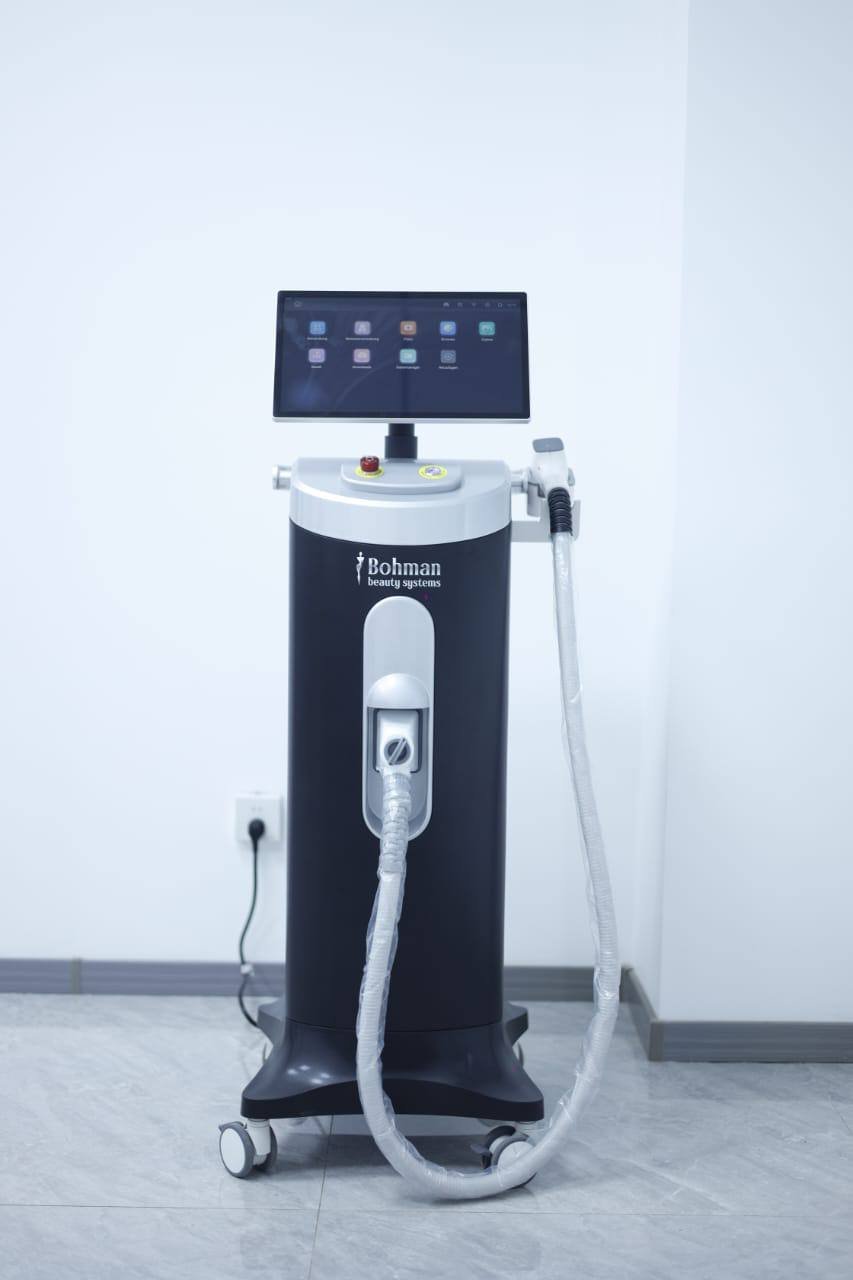
In summary, the overall success of laser and IPL skin type treatments hinges on understanding the unique characteristics of your skin type. Each option has its strengths and weaknesses, making it essential to choose wisely based on a thorough assessment and consultation with a qualified practitioner. Taking the time to investigate and prepare for treatments will set the foundation for achieving the desired results safely and effectively. When investing in aesthetic procedures such as the DL 6000 Pro 4 diode laser from Bohman Beauty Systems, you can ensure impactful outcomes that cater to both practitioners and clients alike.
Ultimately, prioritizing your skin type in the decision-making process will maximize the efficacy of treatments and foster confidence in your skin’s appearance. For more guidance on skin type treatments and procedures, consider consulting with a dermatologist or an aesthetic professional today.