

Introduction to Salon Laser Regulations
In recent years, the use of laser and Intense Pulsed Light (IPL) technologies in salons has gained significant popularity. However, it has also prompted the development of a complex framework of salon laser regulations that governs their use to ensure the safety and efficacy of these treatments. This diverse regulatory landscape varies widely across regions and often creates confusion among salon owners and practitioners. Understanding these regulations is crucial for compliance, ensuring client safety, and maintaining a reputable business.
Federal Regulations Governing Laser and IPL Use
Role of the Food and Drug Administration
The FDA plays a crucial role in regulating laser and IPL devices in the United States. Laser devices are classified as medical devices, which means that they must adhere to specific safety and efficacy standards. This classification ensures that any device used in treatment meets stringent testing and quality control measures.
- Classification of Laser Devices: The FDA categorizes laser and IPL devices into different classes based on their potential hazards. For instance, Class I devices, such as simple laser pointers, require minimal regulatory control, while Class III and IV devices, often used for aesthetic treatments, are subjected to more rigorous oversight.
- Safety Standards and Compliance: All devices must go through a premarket approval process or a 510(k) clearance before being marketed. This process involves comprehensive testing to demonstrate the device’s safety and effectiveness for its intended use.
Occupational Safety and Health Administration Regulations
In addition to the FDA, OSHA sets forth regulations that maintain a safe working environment in salons. These regulations cover various aspects of workplace safety, including the use of laser and IPL technologies.
- Workplace Safety Requirements: OSHA mandates that salons must implement safety measures that protect employees from hazards associated with laser and IPL usage. This includes training on safe operation and health risk assessments.
- Employee Training and Protection: Regular training and awareness programs are required for all staff operating laser devices. Such programs should focus on recognizing hazardous situations and ensuring the safe use of equipment.
State-Specific Regulations
Variations in State Laws
The regulatory environment for laser and IPL use varies significantly from state to state. Each state has developed its specific laws regarding the certification of practitioners, establishing guidelines for training and use. These variations can complicate compliance for salon owners operating in multiple states.
- Licensing Requirements for Practitioners: Each state has unique licensing requirements for estheticians and cosmetologists using laser and IPL technologies. Some states require formal training, while others permit practice with minimal oversight.
- Facility Standards and Inspections: Many states impose regulations on the physical salon environment, including required safety measures and sanitation standards to protect clients. Regular inspections may also be mandated to maintain compliance.
Examples of Notable State Regulations
Several states offer a clear snapshot of the diversity in regulations governing laser and IPL treatments.
- Arizona: In Arizona, licensed estheticians can perform a wide range of laser treatments under physician supervision, but advanced training is not mandated.
- Tennessee: In Tennessee, licensed estheticians may use non-ablative lasers with medical supervision, but are restricted from performing more invasive procedures without specific qualifications.
- New York: New York has stringent regulations that prohibit estheticians from operating any laser devices, leaving this duty exclusively to advanced practice nurses or physician assistants.
- Massachusetts: Licensed cosmetologists and estheticians can use IPL devices after completing a designated training course but are not allowed to operate laser devices.

Best Practices for Compliance in Salons
Ensuring Proper Training for Staff
Compliance with salon laser regulations begins with thorough training for all personnel involved in administering laser and IPL treatments. Ensuring that staff is well-educated about device operation and safety protocols is paramount.
- Certification Programs and Continuing Education: Implementing ongoing certification programs and encouraging continuous education are critical for keeping staff informed about evolving regulations and technological advancements.
- Importance of Staying Updated on Regulations: Regularly revisiting state and federal regulations is essential. Salon owners should appoint a compliance officer responsible for ensuring adherence to evolving laws.
Creating a Safe Environment for Clients
Beyond staff training, establishing a safe and welcoming environment for clients is vital. Clear communication around treatments and potential risks fosters trust and satisfaction.
- Client Consent and Informational Guidelines: Before any treatment, obtaining informed consent is essential. Clients should be educated about the procedure, expected results, and potential side effects.
- Equipment Maintenance and Safety Checks: Regular maintenance and safety inspections of laser and IPL equipment are necessary to ensure they operate correctly and safely.
Future Trends and Considerations
Evolving Industry Standards
The regulatory environment surrounding laser and IPL technologies is continuously evolving, primarily driven by advancements in technology and changing client needs. Staying ahead of these trends is essential for any salon dedicated to compliance and client safety.
- Advances in Technology and Regulation: As new devices are developed and existing technologies improve, regulations may adapt to accommodate these changes. Salons should keep informed of industry developments to remain compliant.
- Potential Impact of Telehealth on Services: The rise of telehealth services may create new avenues for laser treatments and consultations, raising questions about the regulatory frameworks surrounding remote services.
Advocacy and Industry Support
Industry associations play a pivotal role in supporting compliance and advocacy efforts for salon laser regulations. Engaging with these organizations can provide valuable resources for salon owners.
- Role of Professional Associations: Professional associations often provide members with current regulatory information, training resources, and networking opportunities to stay informed about best practices.
- Importance of Legislative Awareness: Understanding evolving legislation at the local and national levels is fundamental. Salon owners should actively participate in advocacy efforts to promote reasonable and science-based regulations in the beauty industry.
Conclusion
Understanding the intricate landscape of salon laser regulations is vital for salon owners and practitioners alike. Complying with federal and state regulations ensures not only the protection of clients but also the establishment of a reputable and thriving business. As the industry continues to evolve, ongoing education and adherence to regulatory standards remain indispensable components of success.
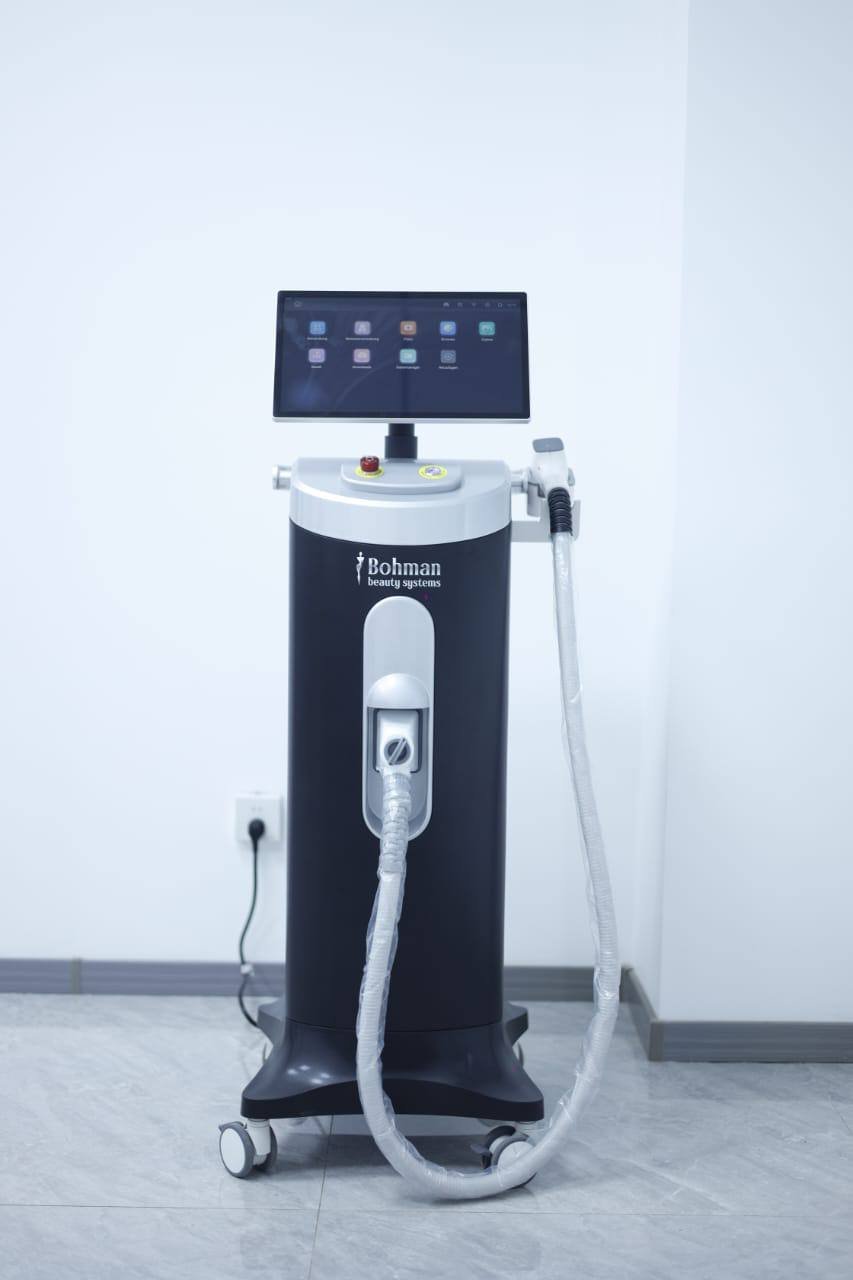
A noteworthy piece of equipment that can elevate the quality of laser treatments in your salon is the DL 6000 Pro 4 Diode Laser from Bohman Beauty Systems. This advanced diode laser not only enhances the efficacy of treatments but also positions your salon as a modern, client-focused establishment dedicated to providing safe and effective services.