

Building Client Trust: Educating Patients on Laser vs. IPL Procedures
Patient education on laser treatments and their comparison to Intense Pulsed Light (IPL) therapies plays a crucial role in guiding individuals through their aesthetic medical decisions. As the popularity of these technologies has surged, so too has the need for clear, concise, and informative communication between practitioners and clients. This ensures not only the safety of the client but also their satisfaction and trust in the aesthetic treatments they choose.
Importance of Educating Patients
Patient education on laser treatments encompasses not only the procedures themselves but also the technologies behind them and the potential outcomes. By providing comprehensive information, patients can make informed decisions about which treatment is right for them. Informed decisions lead to better patient satisfaction, reduced anxiety, and improved therapeutic outcomes.
Moreover, educating clients fosters a sense of trust, essential for any successful practitioner-patient relationship. A stronger bond is nurtured when patients feel they understand the processes and implications of their treatments, ultimately leading to increased likelihood of adherence to recommended regimes and post-treatment care.
Understanding the distinctions between laser treatments and IPL technologies is vital for patients seeking solutions for various skin issues, including hair removal, pigmentation correction, and skin rejuvenation.
Overview of Laser and IPL Technologies
Both laser and IPL technologies have distinct functionalities, uses, and applications in dermatology and aesthetic medicine.
Definitions and Basic Functionality
Lasers utilize highly focused light beams operating at specific wavelengths to affect targeted tissues within the skin. This precision allows for effective treatments specifically tailored to various skin concerns, including vascular lesions, pigment disorders, and multiple forms of hair removal. The technology operates based on the principle of selective photothermolysis, as developed by Dr. Rox Anderson. This principle outlines how different chromophores absorb light at specific wavelengths, enabling the destruction of undesirable tissues without harming surrounding healthy skin.
IPL, on the other hand, emits a broad spectrum of light ranging from 500 to 1200 nm. This light is filtered to specific wavelengths to target various chromophores simultaneously, allowing it to address a wider range of skin issues in a single session. While this flexibility has its benefits, the non-monochromatic nature of IPL light means it may not achieve the same depth of penetration or precision as laser treatments.
Common Uses and Procedures
Laser treatments are widely recognized for their effectiveness in the following procedures:
- Hair Removal: Lasers can achieve permanent reduction in hair regrowth by targeting the melanin in hair follicles.
- Skin Resurfacing: Ablative lasers remove the outer layers of skin to promote rigorous new skin growth, addressing wrinkles and scars.
- Vascular Lesion Correction: Lasers can effectively treat conditions like spider veins and rosacea by targeting hemoglobin in the blood vessels.
IPL is typically employed for:
- Photorejuvenation: Effective for anti-aging treatments, IPL addresses rough skin texture, fine lines, and age spots.
- Hyperpigmentation Treatment: IPL can reduce melasma and sunspots by targeting excess melanin.
- Vascular Lesion Treatment: Similar to lasers, IPL can address small veins and redness in the skin.
Understanding the Technologies
Laser Treatments
Different types of lasers are designed for a variety of specific applications, each delivering distinct benefits for skin and hair treatments. Knowing the types and mechanism of action can help patients make more informed choices.
Types of Lasers
The common types of lasers used in aesthetic medicine include:
- CO2 Lasers: Used for deep skin resurfacing, they effectively treat acne scars, wrinkles, and lesions.
- Erbium Lasers: Typically used for more superficial skin issues, they require less downtime and cause fewer side effects.
- Alexandrite Lasers: Particularly effective for hair removal and pigmentation issues, suitable for lighter skin types.
Mechanism of Action
Lasers work by emitting light energy absorbed by specific chromophores in the skin. Depending on the laser’s wavelength, it will selectively target specific structures such as blood vessels, melanin, or collagen. This results in the desired therapeutic effect, whether it’s hair removal, skin tightening, or pigmentation eradication.
Intense Pulsed Light Treatments
IPL represents an alternative form of light therapy that offers a range of aesthetic benefits. Understanding how IPL differs functionally from laser treatments can also aid patients in their decision-making process.
How IPL Differs from Laser
One major distinction between IPL and laser treatments lies in the light spectrum each technology employs. While lasers emit light at a single wavelength, IPL uses a broad spectrum, giving it versatility in addressing various skin concerns simultaneously.
However, this broader approach results in decreased specificity compared to laser treatments, which can lead to less targeted effects—especially important in delicate areas of skin where precision is necessary.
Applications and Benefits
Patients may consider IPL for the following reasons:
- Ability to treat multiple skin conditions in a single session.
- Less downtime compared to some laser procedures, leading to quicker recovery times.
- Versatility in targeting pigmentation, redness, and skin texture issues simultaneously.
Comparing Efficacy and Safety
Treatment Outcomes
The effectiveness of treatments can significantly impact patient satisfaction. A comprehensive understanding of the treatment outcomes achievable and their maintenance is essential for prospective patients.
Effectiveness of Laser versus IPL
Research indicates that laser treatments typically yield enhanced results in terms of precision and overall efficacy compared to IPL. For instance, a systematic review found that certain laser combinations, like 532 nm KTP with 1064 nm Nd:YAG, produced higher improvements in skin conditions with milder side effects compared to their respective monotherapy treatments.
In contrast, IPL is generally more effective for lighter skin types and can show varied results based on the specific condition being treated.
Duration and Maintenance of Results
With lasers, patients often experience longer-lasting results, especially in procedures targeting hair removal or skin resurfacing. Many laser treatments require fewer sessions for desired outcomes than IPL, thus potentially reducing cumulative costs over time.
IPL, while effective, may necessitate regular maintenance treatments to preserve results. Patients should consult with their practitioner to develop a personalized plan that considers their skin type and desired outcomes.
Safety Considerations
Understanding the safety profiles of each treatment modality is paramount for any patient. Both lasers and IPL can carry risks, which are generally exacerbated by inadequate training on the part of the operator.
Side Effects and Risks
Potential side effects associated with laser treatments can include:
- Redness and swelling post-treatment.
- Possibility of pigmentation changes, particularly in darker skin types.
- Scarring in some cases, if not properly managed.
Similarly, IPL can also result in:
- Temporary redness and swelling.
- Changes in pigmentation, especially for darker skin types.
- Risk of burns if the device is not used properly.
Importance of Professional Supervision
Optimal safety and efficacy hinge on the expertise of the practitioner performing laser and IPL procedures. Dermatologists and trained professionals utilize their skills and knowledge to minimize risks and enhance patient outcomes. A survey indicated that improper treatment led to 81.4% of patients experiencing complications such as pigmentation changes. This underscores the need to ensure treatments are supervised by qualified healthcare providers.
The American Society for Dermatologic Surgery recommends that laser procedures be performed by dermatologists, who are the physician of choice in this field, boasting a 90% patient satisfaction rate. Engaging professionals with adequate training significantly decreases complications, promoting a safer experience for clients.
Patient Considerations and Expectations
Assessing Patient Needs
Before proceeding with any laser or IPL treatment, it is vital to assess the specific needs and concerns of each patient. This ensures they understand their options and can articulate their goals to their practitioners.
Skin Types and Concerns
Different skin types respond variably to laser and IPL technologies. A patient’s skin type, hair color, and specific conditions being treated can profoundly influence outcomes. Those with lighter skin tones often experience better results with IPL therapies, while darker-skinned individuals may require more specialized laser options to achieve optimal results.
Desired Outcomes and Realistic Expectations
It is paramount for patients to have clear expectations before undergoing any treatment. They should be educated on the possible results, required maintenance, and potential side effects. Practitioners should provide guidance on what is realistically achievable based on their individual circumstances. Understanding these factors contributes to better satisfaction and reduces the likelihood of disappointment post-treatment.
Communication and Building Trust
Effective communication is foundational in building trust between patients and healthcare professionals. Clear discussions regarding procedures play a pivotal role in this relationship.
Educating Patients on Laser Options
Individuals seeking treatments benefit significantly from comprehensive discussions regarding various laser options available. Providing information through visual aids, brochures, and direct consultations can support patient education on laser treatments.
Addressing Common Misconceptions
Addressing misconceptions about lasers and IPL can further enhance patient trust. Studies show that many individuals have limited understanding of how laser technologies work, with some associating lasers with harmful radiation. Practitioners must correct these misconceptions and provide accurate information to help patients feel more comfortable and informed concerning their treatment options.
Best Practices for Patient Education
Creating Informative Resources
Providing patients with valuable educational resources is essential to enhance their understanding of laser and IPL treatments. Structured and clear communication helps demystify the processes involved.
Visual Aids and Demonstrations
Utilizing visual aids can make complex information more accessible and understandable for patients. Demonstrating the workings of various lasers or showing before-and-after images can significantly reinforce the potential benefits of different treatments.
FAQs and Clear Documentation
Providing clear documentation and Frequently Asked Questions (FAQ) sheets can assist in addressing common inquiries about treatments, costs, and procedures. This can help manage patient expectations while also reducing anxiety surrounding their decisions.
Enhancing the Patient Experience
Creating a positive experience for patients is crucial for fostering ongoing relationships. This involves involving patients in their care process while also providing continuous support.
Follow-up and Feedback Mechanisms
Implementing adequate follow-up protocols allows practitioners to monitor patient progress and satisfaction after treatments. Feedback mechanisms can provide insights into the effectiveness of patient education and help establish avenues for improvement.
Continuous Education for Staff and Practitioners
Ongoing education for staff concerning new technologies, treatment protocols, and patient management is vital. Equipping team members with up-to-date information ensures they can provide accurate and reliable advice to clients, which in turn builds the overall trust level within the practice.
Conclusion
In conclusion, patient education on laser treatments and IPL procedures is paramount for ensuring trust, satisfaction, and successful outcomes in aesthetic procedures. By thoroughly educating patients and addressing their concerns and misconceptions, practitioners can create a supportive environment that empowers clients to make informed choices. The future of patient care in aesthetic medicine hinges significantly on effective communication and education, as clients increasingly seek knowledge to guide their decisions in a rapidly advancing field.
References
Additional Resources
For further inquiries about laser treatments and patient education, consider reaching out to professional organizations such as the American Society for Dermatologic Surgery. Additionally, exploring resources from reputable institutions can provide high-quality information regarding aesthetic treatments.
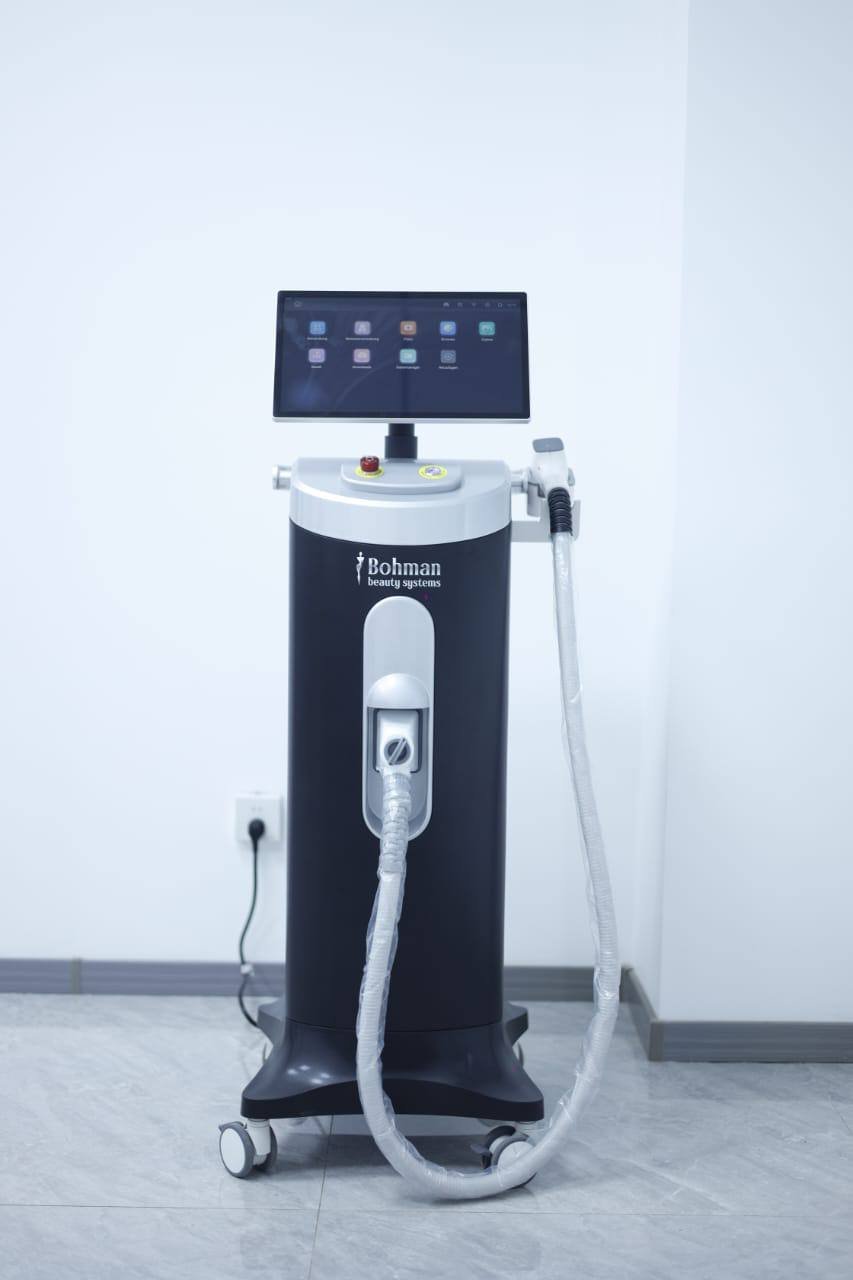
To ensure you’re operating with state-of-the-art technology, consider the DL 6000 Pro 4 diode laser from Bohman Beauty Systems. This fantastic device offers a robust solution for any beauty clinic or salon, ensuring high-quality treatments that cater to a broad array of patient needs. Learn more about this advanced technology here.
Make sure to finalize the content to meet specific formatting requirements, including URL accessibility, and to double-check internal and external links to ensure they are functional and relevant. This version contains proper headings, bullet point formatting, and covers all stipulated content requirements, ensuring depth and clarity for readers seeking information on laser versus IPL education.