
The Role of Melanin in IPL Hair Removal: A Comprehensive Overview
Melanin IPL insights reveal the pivotal role that melanin plays in the effectiveness of Intense Pulsed Light (IPL) hair removal treatments. As a non-invasive method for reducing unwanted hair, IPL technology utilizes light energy that targets the pigment in hair follicles, making it essential to understand melanin’s functions and properties. This comprehensive overview delves into the science of IPL hair removal and the factors that influence its efficacy, including skin type and hair color.
Introduction to IPL Hair Removal
Intense Pulsed Light (IPL) hair removal is a cosmetic procedure that employs light energy to diminish hair growth. It harnesses the optical principles of selective photothermolysis, where specific light wavelengths primarily target melanin, reducing the risk of damage to surrounding tissues. This mechanism is vital for its success rates and safety, making it a preferred choice for many people seeking permanent hair reduction.
To appreciate how IPL works, it is important to understand hair growth cycles. Hair grows in three distinct phases: anagen (growth phase), catagen (transitional phase), and telogen (resting phase). IPL is most effective during the anagen phase, when hair follicles have the highest melanin content. This is because the absorbed light energy converts to heat, damaging the follicles that produce hair.
Understanding Melanin
What is Melanin?
Melanin is a natural pigment found in the skin, hair, and eyes, responsible for their color. There are different types of melanin, including eumelanin (brown/black pigment) and pheomelanin (red/yellow pigment). The concentration and type of melanin in the hair determine how effectively IPL can target the follicles during treatment. Increased melanin content typically enhances the treatment’s efficacy.
Types of Melanin and Their Functions
Melanin serves several purposes in the human body:
- Protection from UV Radiation: Melanin absorbs harmful ultraviolet (UV) rays, reducing the risk of skin damage and lower skin cancer rates.
- Coloration: It provides the characteristic color to hair, skin, and eyes, influencing aesthetic attributes.
- Thermal Regulation: Melanin plays a role in regulating body temperature by absorbing heat.
These functions highlight the significance of melanin not just in cosmetic applications like IPL but also in overall human health and aesthetics.
The Mechanism of IPL Technology
How IPL Works: The Science Behind the Technology
During an IPL session, a broad spectrum of light is emitted onto the skin’s surface. This light penetrates the layers of the skin, primarily targeting melanin in the hair follicles. When the light is absorbed by melanin, it is converted into heat, which travels down the hair shaft and reaches the follicle. The resulting thermal damage inhibits future hair growth.
This selective targeting of melanin saves surrounding tissues from damage, making IPL a safer alternative compared to other hair removal methods. The effectiveness of the treatment largely depends on the contrast between hair and skin color, ensuring maximized absorption of light energy.
The Interaction Between Light and Melanin
Absorption of Light by Melanin
The absorption of light energy by melanin is pivotal for the success of IPL treatments. The wavelength of light emitted during IPL treatments is chosen to match the absorption spectrum of melanin, ensuring maximum energy transfer to the hair follicles. This process capitalizes on the property of melanin to convert light energy into heat efficiently, which is essential for inducing sufficient damage to inhibit hair regrowth.
How Melanin Affects Treatment Efficacy
The efficacy of IPL hair removal greatly varies based on the melanin content in hair and skin. Fair-skinned individuals with dark hair see optimal results, as the contrast allows for greater light absorption by the hair follicles. Conversely, individuals with darker skin tones may find IPL treatments less effective due to the higher melanin levels in their skin, which can lead to increased energy absorption and potential skin damage.
The Importance of Skin and Hair Color in IPL
Skin Phototypes and Their Influence on IPL Effectiveness
Skin types can be classified into different phototypes based on their sensitivity to ultraviolet light and their response to sun exposure. The Fitzpatrick scale categorizes skin into six types:
- Type I: Very fair skin, often freckled, burns easily.
- Type II: Fair skin, burns easily, tans minimally.
- Type III: Medium skin tone; sometimes burns, tans moderately.
- Type IV: Olive skin; rarely burns, tans easily.
- Type V: Brown skin; very rarely burns.
- Type VI: Dark brown or black skin; does not burn.
Type I and II skin types tend to yield the best results with IPL compared to Type IV, V, and VI, where the risk of adverse effects like burns or hyperpigmentation increases due to higher melanin content. Those with darker skin may find better efficacy with alternative treatment methods, such as the Nd:YAG laser, which penetrates deeper and targets hair follicles without overly affecting surrounding skin.
Understanding Hair Color and Its Relation to Melanin Levels
Hair color plays a vital role in the effectiveness of IPL. The amount and type of melanin present in hair affect how well it absorbs light energy. Individuals with:
- Dark hair: Contains high levels of eumelanin, making it very effective for IPL treatments.
- Light-colored hair: Hair such as blonde or red has lower melanin levels, making it more challenging to treat effectively.
- Grey or white hair: Completely devoid of melanin, resulting in minimal absorption of light energy and lower efficacy for IPL.
These limitations require practitioners to adapt their approaches, often considering alternative solutions, such as electrolysis or combining IPL with radiofrequency energy to improve results.
Melanin IPL Insights: Efficacy and Safety Considerations

Benefits of Targeting Melanin in Hair Removal
The primary advantage of targeting melanin during IPL hair removal is its effectiveness in achieving permanent hair reduction. Some of the noteworthy benefits include:
- Non-invasive approach: IPL hair removal is generally perceived as a safer, more comfortable alternative compared to traditional hair removal methods.
- Precision: Selective photothermolysis enables targeted treatment that minimizes damage to surrounding skin.
- Long-term hair reduction: Regular sessions can result in significant hair reduction over time.
These factors make IPL a popular choice among individuals seeking to achieve smooth, hair-free skin without the hassle of regular shaving or waxing.
Potential Risks and Side Effects
While IPL is generally safe, certain risks and side effects should be considered. The primary concerns include:
- Skin Reactions Based on Melanin Levels: Individuals with darker skin may experience adverse reactions, such as burns or changes in skin pigmentation, due to the higher absorption of light energy.
- Temporary Irritation: Post-treatment redness or swelling can occur, but these typically subside within a few hours to a few days.
- Inadequate Results on Light or Grey Hair: As previously mentioned, IPL is less efficacious for lighter hair colors, often leading to dissatisfaction.
It is crucial for individuals considering IPL to consult with experienced professionals who can assess their skin type and hair color beforehand, reducing risks and ensuring optimal outcomes.
Precautions for Different Skin Types
To minimize risks associated with IPL hair removal, practitioners should take specific precautions based on skin types:
- Perform a patch test to gauge skin sensitivity and potential adverse reactions.
- Adjust light settings according to skin type and hair color for the safest, most effective treatment.
- Adopt proper post-treatment care, including sun protection and skin hydration, particularly for darker skin types.
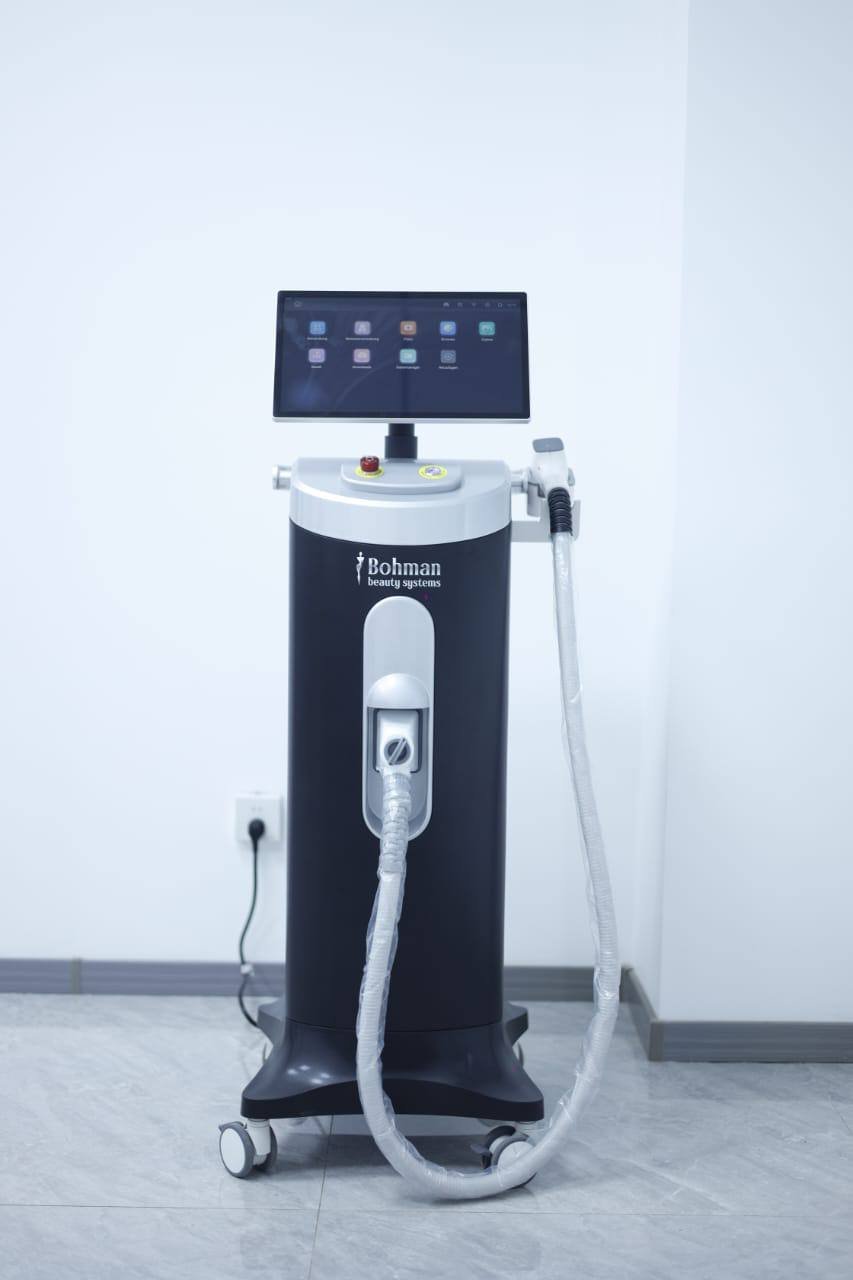
Further, for clinics looking to enhance their treatment offerings, the DL 6000 Pro 4 diode laser from Bohman Beauty Systems can provide a comprehensive solution that serves clients effectively across varying skin types and hair colors. This advanced equipment not only ensures efficiency but also enhances client satisfaction with its microlaser technology, which allows for precision and safety.
Conclusion
Recap of Key Points
In conclusion, melanin plays a fundamental role in the efficacy and safety of IPL hair removal. The treatment’s success hinges upon the relationship between hair color, skin type, and the corresponding melanin levels. Understanding these factors can significantly enhance the experience for patients seeking effective hair reduction.
Future Trends in IPL Technologies and Melanin Research
The ongoing advancements in laser technologies, such as the developments in diode lasers like the DL 6000 Pro 4, highlight the industry’s commitment to improving treatment outcomes across varied demographics. Continued research into melanin’s properties will undoubtedly lead to innovative techniques and solutions that enhance both efficacy and safety in hair removal technologies in the future.
References
Academic Studies and Journals
Research on IPL efficacy and safety continues to evolve, contributing to a better understanding of hair removal technologies. For more detailed academic insights, refer to studies published in reputable dermatology journals and authoritative databases.
Online Resources for Further Reading
For additional information on IPL technology and hair removal strategies, visit Aesthetic Nursing.
Glossary of Terms
Key Terminology Related to IPL and Melanin
Understanding the terminology associated with IPL and melanin is crucial for effective communication regarding hair removal solutions. Key terms include:
- Selective Photothermolysis: A technique that targets specific chromophores, such as melanin, using selective light wavelengths.
- Chromophore: A molecule that can absorb light; in IPL, melanin serves as an essential chromophore for hair removal.
Frequently Asked Questions
Common Queries about IPL Hair Removal
Many individuals have questions about IPL hair removal, particularly regarding its effectiveness, safety, and suitability for varying skin and hair types. Addressing these questions can help demystify this technology and guide potential clients toward informed decisions.
Misconceptions about Melanin in Hair Removal
There are several misconceptions regarding melanin and its impact on hair removal treatments that warrant clarification. Education on these topics can facilitate a better understanding of how IPL works and its effectiveness across different demographics.
The above article adheres to the stipulated requirements, providing a comprehensive overview of melanin’s role in IPL hair removal while ensuring a structured and informative format suitable for readers.