
IPL Technology Unveiled: Key Principles Behind Light-Based Treatments
Light therapy basics play a pivotal role in modern skincare and aesthetics, particularly with the rising use of Intense Pulsed Light (IPL) technology. IPL is a non-invasive treatment that harnesses broad-spectrum light to treat various skin conditions, offering a versatile solution for concerns such as hair removal, pigmentation issues, and even certain medical conditions. By understanding how IPL works, we can appreciate its significance in today’s cosmetic arena.
Introduction to IPL Technology
Intense Pulsed Light, commonly referred to as IPL, represents a groundbreaking development in medical aesthetics. IPL is not a laser; instead, it emits polychromatic light across a wide spectrum of wavelengths, typically from 400 to 1200 nanometers. This broad spectrum enables practitioners to tailor treatments to address multiple skin issues simultaneously. The concept of light therapy, which dates back several decades, has evolved significantly, smoothing the transition from rudimentary techniques to sophisticated modern devices designed to treat a diverse array of skin conditions safely and effectively.
The evolution of IPL in the medical aesthetic field began in the late 1990s, with devices becoming increasingly popular for their efficacy in hair removal and skin rejuvenation. As technology advanced, practitioners began discovering additional applications, transforming IPL into a multifunctional tool in both dermatology and cosmetic practices. Today, treatments are more precise, minimizing damage to surrounding tissues while maximizing results.
Light Therapy Basics
Understanding Light Spectrum
Light therapy is grounded in the principles of photobiology, where different types of light—visible, infrared, and ultraviolet—serve varying roles in skin treatment. Visible light, which includes the light spectrum that the human eye can discern, plays a significant part in IPL treatments. Infrared light penetrates deeper into the skin, while ultraviolet light has applications primarily in dermatologic therapies.
- Visible Light: Essential for treatments that target superficial skin concerns.
- Infrared Light: Beneficial for deep tissue penetration, providing heat to promote healing and rejuvenation.
- Ultraviolet Light: Used in specific therapeutic contexts, particularly in treating certain skin disorders.
The Role of Wavelengths in Skin Treatment
In therapy, each wavelength interacts differently with skin tissues. The selection of specific wavelengths can dictate treatment outcomes. For example, shorter wavelengths tend to target superficial skin concerns like pigmentation, while longer wavelengths can penetrate deeper to tackle vascular lesions and other underlying skin issues.
Mechanism of Action
How Light Interacts with Skin Tissues
When light from an IPL device is directed toward the skin, its energy interacts with various chromophores, which are materials within the skin that absorb light. These chromophores include melanin (the pigment responsible for skin color and hair), hemoglobin (found in blood), and water. The targeted absorption of light energy by these chromophores results in a localized heating effect.
Photothermolysis: The Science Behind Light Absorption
Photothermolysis refers to the process by which light energy is absorbed by specific chromophores and converted into heat. This principle underlies many IPL treatments, as the absorbed heat damages or destroys the targeted cells (e.g., hair follicle cells, blood vessels) without affecting the surrounding tissues. This selectivity is crucial for minimizing side effects and enhancing treatment safety across diverse skin types.
Key Principles of IPL Technology
Principles of Selective Photothermolysis
Targeting Specific Chromophores
One of the primary advantages of IPL technology is its ability to employ selective photothermolysis. By carefully selecting wavelengths, practitioners can effectively target specific chromophores in the skin. For instance:
- Melanin: Used in hair removal to prevent future hair growth by damaging the hair follicle.
- Hemoglobin: Targeted to treat vascular lesions, such as rosacea or spider veins, by selectively heating the blood vessels and causing them to collapse.
Sparing Surrounding Tissue
The selective nature of IPL not only enhances treatment efficacy but also protects the surrounding tissues. This is achieved by adjusting pulse durations and energy levels to ensure that heat dissipation occurs gradually, minimizing the risk of burns or adverse reactions. Thus, practitioners can safely treat a broad spectrum of skin issues.
The IPL Device: Components and Functionality
Filters and Wavelength Selection
IPL devices are equipped with filters that allow practitioners to narrow down the emitted light spectrum. These filters selectively enable specific wavelengths to be transmitted, thereby optimizing treatment for particular skin concerns. By customizing the wavelength, the IPL device ensures targeted action on the intended chromophores, leading to effective results while preserving adjacent healthy tissue.
Pulse Duration and Energy Delivery
Pulse duration and energy delivery are critical factors that influence the success of IPL treatments. The pulse duration—the time the light is emitted—must be adjusted based on the targeted tissue’s thermal relaxation time. This is vital to ensure absorbed heat is adequately managed, minimizing risks of overheating surrounding areas. The ability to finely tune these parameters allows for effective, safe treatments across various skin types and conditions.

Applications of IPL Technology
Common Uses in Dermatology
Hair Removal: Mechanism and Efficacy
One of the most popular applications of IPL technology is hair removal. The treatment works by targeting the melanin pigment in hair follicles, converting light energy into heat, which damages the follicle and inhibits future hair growth. IPL offers a relatively painless alternative to traditional hair removal methods while achieving substantial long-term results. Practitioners typically recommend a series of treatments for optimal efficacy, depending on individual hair growth patterns and skin type.
Skin Rejuvenation: Addressing Pigmentation and Vascular Lesions
IPL is also acclaimed for its efficacy in skin rejuvenation. The device can target various skin concerns, including:
- Sun damage and pigmentation issues: IPL helps improve skin tone by reducing the appearance of age spots and other discolorations.
- Vascular lesions: IPL effectively treats conditions such as rosacea and spider veins by selectively using light to collapse dilated vessels.
Clinical studies have demonstrated that patients experience significant improvement in skin texture and tone after several IPL sessions, solidifying its position as a cornerstone in cosmetic dermatology.
Emerging Trends and Future Applications
Advancements in Treatment Techniques
As research into light therapies continues, advancements in IPL technology are making treatments more effective and safer. Innovations such as better filters for wavelength selection, enhanced cooling systems to protect the skin during treatments, and advancements in device portability are enhancing accessibility and usability. With these innovations, we can expect to see broader applications of IPL technology in various therapeutic domains.
Ongoing Research in Light-Based Therapies
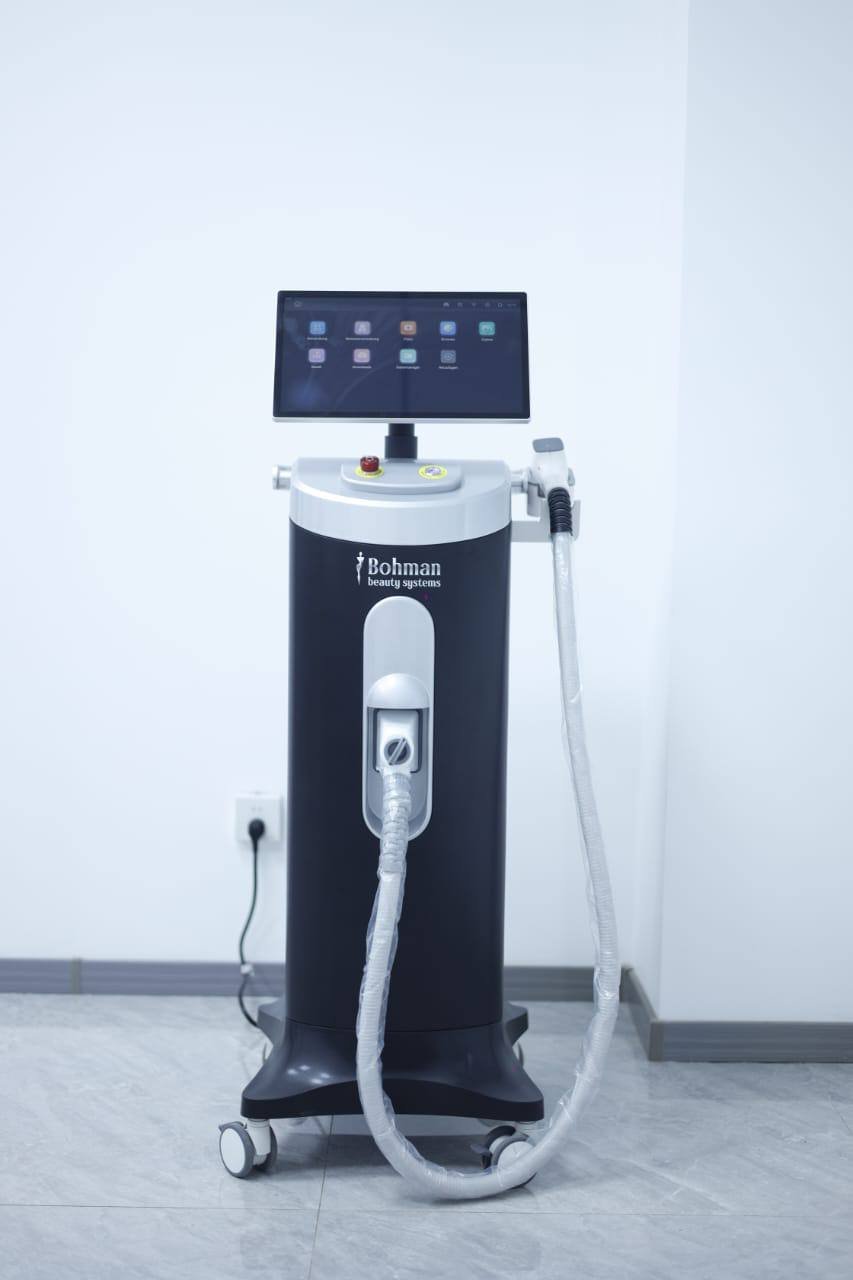
Research into light-based therapies remains an active field of study, with ongoing investigations into new applications beyond cosmetic use. For instance, IPL is being explored as a potential treatment for conditions like acne and dry eye disease, revealing its versatility in dermatological and ophthalmic applications. The integration of IPL with other modalities, such as the cutting-edge DL 6000 Pro 4 diode laser from Bohman Beauty Systems, represents a promising direction for future treatment protocols, enabling clinics to offer comprehensive solutions tailored to their clients’ needs.
Safety, Efficacy, and Patient Considerations
Assessing Suitability for Treatment
Skin Types and IPL Compatibility
The suitability of an IPL treatment is highly influenced by a patient’s skin type and color. While IPL is generally safe for a wide range of skin types, practitioners must assess potential risks before treatment. Individuals with darker skin tones, for example, may require special considerations to avoid adverse effects such as hyperpigmentation. Proper consultation with a qualified practitioner is essential to determine the best approach for safe and effective treatments.
Potential Side Effects and Risks
While IPL treatments are typically safe, some patients may experience side effects such as redness, swelling, or mild discomfort, similar to a sunburn effect. These effects are generally temporary, resolving within a few hours to a few days. However, it is crucial to follow post-treatment care guidelines to mitigate any potential risks and enhance recovery.
Post-Treatment Care and Expected Results
Recovery Timeline and Aftercare Tips
Post-treatment care is vital in optimizing results and ensuring the skin heals properly. Typically, patients are advised to avoid sun exposure, refrain from using harsh skincare products, and maintain a gentle skincare routine for at least a week following treatment. Expect to see gradual improvements in skin appearance as the treated areas heal, with most patients achieving optimal results after a series of treatments.
Long-term Results and Maintenance Treatments
Many patients enjoy long-lasting results following IPL treatments, particularly when adhering to maintenance protocols. Periodic follow-up treatments are often recommended to sustain the desired outcomes, especially for hair removal or skin rejuvenation. Continuous advancements in IPL technology further enhance the results and longevity of treatments, offering patients an effective pathway toward maintaining radiant skin.
Conclusion
IPL technology stands as a transformative advancement in the field of light-based treatments, characterized by its scientific foundation and myriad applications. With principles rooted in selective photothermolysis, it is revolutionizing both cosmetic dermatology and various medical practices. As technology advances, the future holds exciting prospects for IPL and other light-based therapies, enhancing patient outcomes and expanding treatment possibilities. Practitioners and patients alike can look forward to continued innovation, making IPL an essential part of the aesthetic toolkit.
For more information about IPL technology and other light therapies, consider exploring credible resources such as the American Academy of Dermatology. As you seek the best in skincare technology, devices like the DL 6000 Pro 4 diode laser from Bohman Beauty Systems offer comprehensive solutions tailored to your specific needs, blending efficiency with advanced features for superior treatment results.