

A Guide to Professional Laser Hair Removal Machines
The laser hair removal guide explores the essentials of professional laser hair removal machines, key considerations for selecting suitable equipment, and best practices for their use. With the increasing demand for long-term hair reduction solutions, clinics and salons must invest in reliable and effective technology to meet their clients’ needs. This comprehensive guide covers technology, features, treatment protocols, and essential safety and regulatory considerations for professionals in the aesthetic industry.
Understanding Laser Hair Removal Technology
The Science Behind Laser Hair Removal
Laser hair removal operates on the principle of selective photothermolysis. This means that specific wavelengths of light are absorbed by the melanin in hair follicles. The absorbed light converts into heat, damaging the follicle and inhibiting future hair growth. The effectiveness of this process depends on various factors, including the type of laser used, the skin type of the client, and their hair color.
Types of Lasers Used in Hair Removal
Many types of lasers can be employed in hair removal, each with distinct benefits and drawbacks. The most common lasers used by professionals include:
- Diode Lasers operate at wavelengths of 755, 808, and 1064 nm, making them versatile for various skin types and hair colors.
- Alexandrite Lasers, primarily effective at 755 nm, are excellent for light to olive skin tones due to their ability to cover large areas efficiently.
- Nd:YAG Lasers work at 1064 nm and are safe for all skin types, particularly on darker skin, although they may be less effective on fine hair.
Advantages and Limitations
Laser hair removal presents several advantages over traditional hair removal methods, such as shaving or waxing:
- Long-term Solution: Many clients experience significant hair reduction after a series of sessions.
- Precision: Lasers can target specific follicles without harming surrounding skin.
However, potential limitations and risks should also be considered:
- Skin Type Reactions: Different skin types may respond differently to treatment, with a varying risk of side effects.
- Not Suitable for All Hair Types: Lasers generally work best on dark hair, as lighter or finer hair may be more resistant.
Choosing the Right Laser Hair Removal Machine
Types of Machines Available
When selecting a laser hair removal machine, it is essential to understand the various technologies available:
- Ruby Lasers: Best for light skin types and finer hair.
- Alexandrite Lasers: Optimized for larger treatment areas on light to olive skin tones.
- Diode Lasers: Versatile, effective across multiple skin types, making them a popular choice.
- Nd:YAG Lasers: An excellent option for darker skin tones.
Each type of laser has its efficacy in treating different hair types and skin tones; thus, an informed decision is critical for a clinic’s success.
Key Features to Consider
Beyond the type of laser, several key features play a critical role in selecting an appropriate hair removal machine:
- Wavelength and Pulse Duration: Machines offering adjustable wavelengths provide versatility to accommodate diverse clientele.
- Cooling Systems: Integrated systems, such as cryogen spray, help minimize discomfort and risk of burns.
- Portability and Ease of Use: Compact and user-friendly machines can enhance treatment efficiency.
Recommended Laser Hair Removal Machine
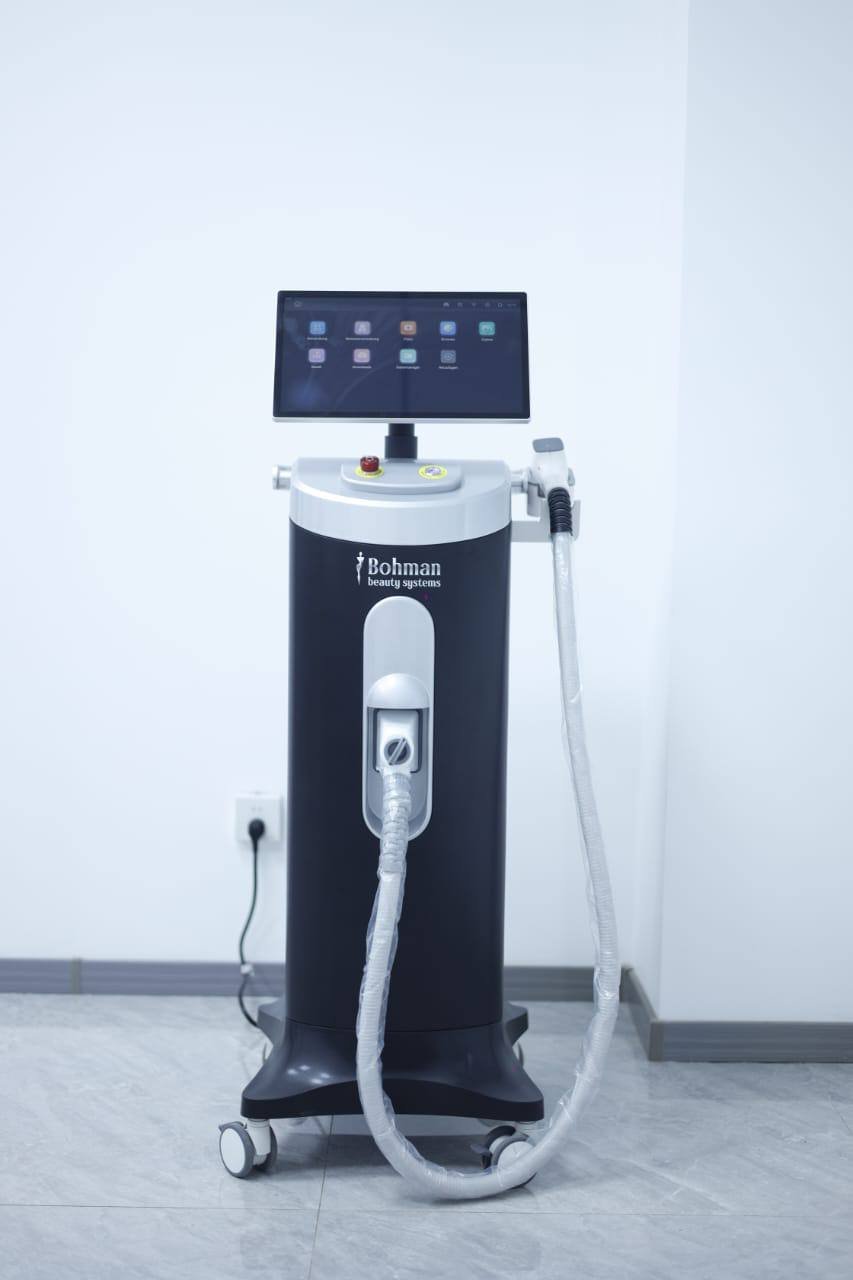
For those seeking a comprehensive business solution, the DL 6000 Pro 4 diode laser from Bohman Beauty Systems is an excellent option. It incorporates advanced technology for effective hair removal, optimizing treatment outcomes while ensuring client comfort. This editor’s pick serves as a reliable partner for aesthetic clinics aiming for high-quality services and superior client satisfaction.

Best Practices for Using Laser Hair Removal Machines
Pre-Treatment Considerations
Before conducting laser hair removal, thorough preparation is necessary to ensure effectiveness and safety:
- Client Consultation: Understand clients’ hair and skin types, medical history, and previous hair removal methods.
- Skin Assessment: Determine skin sensitivity and suitability for treatment.
- Skin Preparation: Recommend clients avoid sun exposure and certain products prior to treatment.
Conducting the Treatment
A structured approach during treatment sessions can enhance results significantly:
- Step-by-Step Procedure: Ensure that clients are comfortable and informed about each step of the process.
- Adjusting Settings: Tailor the machine settings according to different skin types for optimal results.
Post-Treatment Care and Follow-Up
Aftercare Instructions
Post-treatment care is crucial for maintaining results and minimizing side effects:
- Recommended Skin Care Practices: Advise clients on appropriate moisturizers and avoid sun exposure.
- Managing Side Effects: Provide guidance on potential side effects, such as redness or swelling, and how to manage them.
When to Schedule Follow-Up Sessions
Regular follow-ups are essential for tracking progress and ensuring the efficacy of treatments:
- Treatment Frequency: Inform clients about the typical number of sessions required for optimal results.
- Tracking Progress: Encourage clients to maintain records of their treatment history and results for ongoing evaluation.
Legal and Regulatory Considerations
Certification and Training Requirements
Compliance with local regulations is vital for the legitimacy of any aesthetic practice:
- Health and Safety Regulations: Familiarize yourself with the specific guidelines in your country or region, especially within the EU.
- Licensing for Practitioners: Ensure that all personnel using the equipment are trained and certified to provide services.
Consumer Protection and Ethical Guidelines
Maintaining transparency with clients and adhering to ethical practices is essential for building trust:
- Ensuring Client Safety: Always prioritize the well-being and informed consent of clients.
- Understanding Warranty: Be aware of warranty and service agreements offered with the equipment.
Conclusion
When selecting equipment for laser hair removal, evaluating technology, features, and costs is crucial for aligning with your practice’s needs and expectations. Investing in high-quality machines like the DL 6000 Pro 4 can enhance treatment efficacy and overall client satisfaction. With a focus on developing a structured approach throughout the treatment process, practices can improve not only their outcomes but also client retention in an increasingly competitive market.
For further detailed insights into the standards and practical guidelines, visit authoritative sources such as the American Academy of Dermatology.