
Introduction
In today’s world, the decision to manage unwanted hair can often lead individuals to explore various options for hair removal. Among the available choices, laser hair removal and Intense Pulsed Light (IPL) treatments stand out as two of the most popular methods. However, both come with their unique laser hair myths and misconceptions that can confuse potential users.
Understanding the Technologies
What is Laser Hair Removal?
Laser hair removal is a cosmetic procedure that uses a focused beam of light to target specific areas of the skin where unwanted hair resides. This treatment works by emitting a single wavelength of light that is absorbed by the melanin (pigment) in the hair follicles. Once absorbed, this light is converted into heat, which damages the follicle to inhibit future hair growth.
The precision of laser technology allows practitioners to treat diverse hair colors and skin types effectively. It also minimizes damage to surrounding skin, making it a safer option for those looking for long-term hair reduction solutions.
What is IPL Hair Removal?
Intense Pulsed Light (IPL) hair removal employs a broad spectrum of light, rather than the focused beam used in laser treatments. This technology emits multiple wavelengths, allowing it to target various skin and hair types, but with less precision compared to laser treatments. As a result, achieving the same level of hair reduction typically requires more sessions of IPL.
IPL works similarly to laser hair removal by targeting the melanin in hair follicles, causing damage to inhibit future growth. However, the broad spectrum light used by IPL may be less effective for treating specific hair colors and skin types because it is not as finely tuned. The difference in technology is a crucial consideration for anyone evaluating their hair removal options.
Effectiveness and Results
Efficacy of Laser Hair Removal
When considering the effectiveness of laser hair removal, it’s essential to note that treatment duration and frequency play significant roles. Laser hair removal sessions are typically spaced several weeks apart to ensure optimal hair growth reduction. Most individuals will require between six to eight sessions to achieve noticeable results, as hair grows in cycles. Each session effectively targets the hair follicles in their active growth phase, allowing for a more effective outcome.
Patients often notice a significant reduction in hair growth after completing their treatment series. For many, laser hair removal leads to permanent hair reduction, leaving smoother skin without the need for ongoing maintenance. This makes it a desirable choice for those who wish to eliminate the hassle of temporary hair removal methods.
Efficacy of IPL Hair Removal
IPL hair removal follows a similar treatment schedule, usually requiring multiple sessions spaced several weeks apart for the best outcomes. However, due to the broader wavelength targeting, IPL may require a greater number of sessions—often eight to ten—to achieve results comparable to those from laser hair removal.
While IPL can effectively reduce hair growth, the longevity of the results can vary significantly depending on factors such as skin tone and hair color. As such, individuals may experience different results after a complete series of treatments, making it less predictable in terms of effectiveness compared to laser hair removal. This variance is particularly relevant for those with finer or lighter hair colors, where the efficacy of IPL may be diminished.
Common Laser Hair Myths Debunked
Several misconceptions surround laser hair removal, often fueled by a lack of understanding about the process and its outcomes. Addressing these laser hair myths can help potential patients make informed decisions.
- Myth: Laser Hair Removal Is Extremely Painful. Fact: Modern technologies have improved comfort levels significantly, with many individuals reporting only mild discomfort during the process.
- Myth: Results Are Instant. Fact: Hair removal requires multiple sessions due to the hair growth cycle, with optimal results often seen after several treatments.
- Myth: It Only Works on People with Light Skin and Dark Hair. Fact: Advances in technology have made laser hair removal safe and effective for various skin tones and hair colors.
Safety and Side Effects
Safety of Laser Hair Removal
Laser hair removal is considered a safe procedure when performed by trained professionals utilizing proper technology. Common side effects may include temporary redness or swelling in the treated area, but these effects typically subside within hours. Most importantly, the risk of significant skin damage is low when appropriate protocols are followed.
However, there are specific individuals who should avoid laser treatments, including those with certain skin conditions, a history of keloid scars, or those currently taking photosensitizing medications. Consulting a qualified practitioner before undergoing treatment is crucial for ensuring safety and efficacy.
Safety of IPL Hair Removal
Similarly, IPL hair removal presents safety considerations that should not be overlooked. Common side effects may include mild redness, swelling, or skin irritation, but as with laser hair removal, most of these effects resolve quickly. IPL is also deemed safe when administered by a trained professional.
Individuals who should consider avoiding IPL include those with a tan, dark skin tones, or certain medical conditions that may increase sensitivity to light. A detailed assessment during a consultation can help ascertain whether IPL is the right choice for the individual.
Cost and Accessibility
Pricing for Laser Hair Removal

The cost of laser hair removal may initially seem high, but it’s important to consider the long-term savings associated with permanent hair reduction. Initial treatment costs often vary based on the area being treated, the number of sessions required, and the clinician performing the procedure. A typical range for laser hair removal per session can vary widely, from around $200 to $500.
In addition, some clinics offer financing options and may accept insurance for specific medical indications. Evaluating the total number of sessions required can help individuals gauge overall investment. With reduced need for razors, waxing, or other temporary hair management methods, many people find savings occur over time.
Pricing for IPL Hair Removal
IPL hair removal pricing is generally in a similar range to laser hair removal, often depending on factors such as session frequency and treatment area. Individual sessions can cost approximately $300 to $600, and patients may need to budget for additional sessions to achieve their desired outcomes.
As with laser treatments, some clinics may offer financing options or package deals for multiple sessions, making it accessible for a broader audience. While IPL might lead to longer-term costs due to the requisite number of sessions, patients can still evaluate their options to find the best financial structure for them.
Personal Considerations and Recommendations
Choosing the Right Option for You
Choosing between laser hair removal and IPL involves various personal factors, including skin type, hair type, and budget. Understanding the unique characteristics of each treatment can help simplify your choice. Consulting a trained professional allows for discussions about individual suitability, desired results, and any specific concerns you may have.
It’s essential to consider your skin tone and hair color; individuals with darker skin tones may benefit more from advanced laser technology, while those with lighter hair may find IPL treatments more suitable. Additionally, financial considerations about long-term versus short-term investments should play a vital role in your decision-making process.
Preparing for Your Session
Preparation for your hair removal sessions can enhance effectiveness and ensure comfort. Before your appointment, it’s vital to avoid sun exposure and tanning for several weeks, as this can affect treatment outcomes. Always follow your clinician’s recommendations regarding pre-treatment skincare and any necessary adjustments to your skincare routine.
During the procedure, you can expect some sensation, which varies depending on the treatment type. Post-treatment aftercare involves moisturizing the treated area, avoiding sun exposure, and adhering to any guidelines your specialist provides. Following these guidelines will help you achieve the best possible results from your chosen hair removal method.
Conclusion
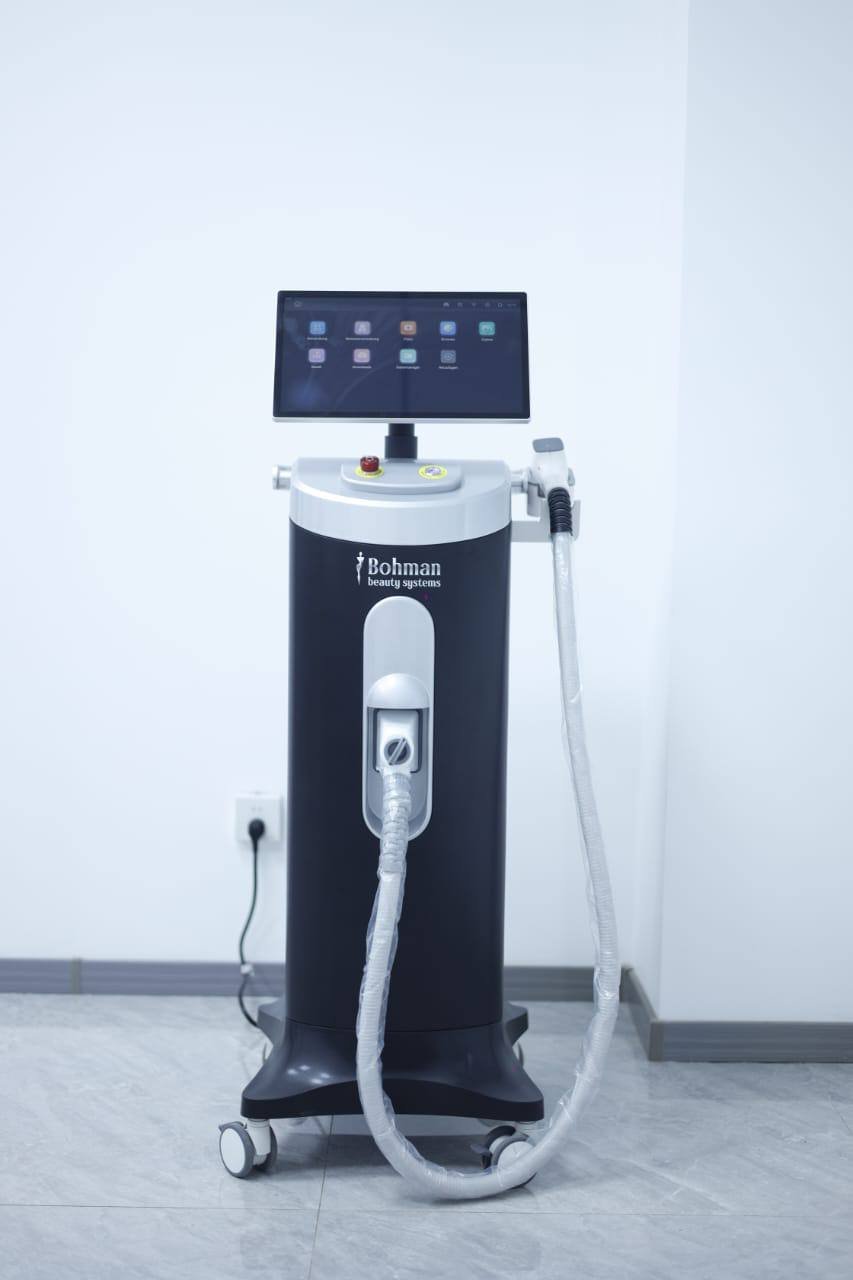
Understanding the differences between laser hair removal and IPL is essential for making an informed choice about hair reduction options. By dispelling common laser hair myths and considering personal factors like skin tone, hair type, and budget, individuals can find the right treatment for their needs. Both methods have their strengths, and evaluating them carefully can lead to satisfactory results. For those looking to invest in their beauty clinic or salon, consider incorporating advanced technologies like the DL 6000 Pro 4 diode laser from Bohman Beauty Systems, which offers a comprehensive, turnkey solution for effective hair removal.
References
- European Business Review
- Perfect Drs
- British Lasers
- The Medical Skin Clinic
- Dr. Juvita
- Derm Boston
- Luminous Laser and Skin Spa
Appendix
Frequently Asked Questions
- Is laser hair removal permanent? While laser treatments significantly reduce hair growth, periodic maintenance may be needed for some individuals.
- How long does each session take? Depending on the area treated, sessions can range from a few minutes to an hour.
- Can I shave before a treatment session? Yes, it’s advisable to shave the area to avoid irritation during the procedure.
Terms and Definitions Related to Hair Removal Treatments
- Melanin: The pigment found in hair and skin that absorbs light during hair removal treatments.
- Follicle: The part of the skin that produces hair; the target of hair removal technologies.
- Active Growth Phase: The phase of the hair growth cycle when the hair is most responsive to treatment.