

Introduction to IPL Technology
IPL technology explained refers to the use of Intense Pulsed Light (IPL) in both cosmetic and medical fields to enhance skin health and appearance. This versatile technology employs broad-spectrum light to treat various skin conditions, targeting multiple chromophores within the skin. By harnessing different wavelengths of light, IPL can effectively address a range of issues, from hair removal to skin rejuvenation. Over the years, significant advancements have been made in IPL technology, contributing to its widespread use in dermatology clinics and beauty salons worldwide.
Historically, the development of IPL technology dates back to the 1990s when it began to gain recognition as an effective alternative to laser treatments. Initially, it was utilized primarily for hair removal but has since expanded to encompass a variety of applications, including the treatment of pigmentation disorders, vascular lesions, and signs of aging. Continuous innovations and refinements in IPL devices have improved their safety and efficacy, allowing treatment to be tailored to individual skin types and conditions.
# Purpose and Applications of IPL Technology
The primary purpose of IPL technology is to provide non-invasive solutions for various cosmetic and medical skin concerns. Its applications are broad and include:
- Hair Removal: IPL effectively targets melanin in hair follicles, significantly reducing hair growth over time.
- Skin Rejuvenation: This technology enhances skin appearance by treating sun damage, pigmentation issues, and fine lines, providing a more youthful look.
- Vascular Treatments: IPL can address conditions such as rosacea and spider veins by targeting hemoglobin in blood vessels.
- Acne Treatment: By reducing inflammation and destroying acne-causing bacteria, IPL can alleviate acne symptoms and improve overall skin clarity.
How IPL Technology Works
# The Science Behind IPL
The mechanism of IPL technology is based on its ability to emit light that covers a wide spectrum of wavelengths, typically ranging from 400 to 1200 nanometers. This broad spectrum allows for the targeting of various skin chromophores effectively. Key aspects of this mechanism include:
- Light Spectrum and Frequency: IPL devices emit pulsed light that can be tuned to different wavelengths, enabling them to treat multiple skin concerns by adjusting the energy levels and pulse durations.
- The Interaction Between Light and Skin: When IPL is applied, the light penetrates the epidermis and is absorbed by specific chromophores. For instance, melanin absorbs light well, which makes it effective for hair removal, while hemoglobin absorbs light to treat vascular issues.
# Device Operation
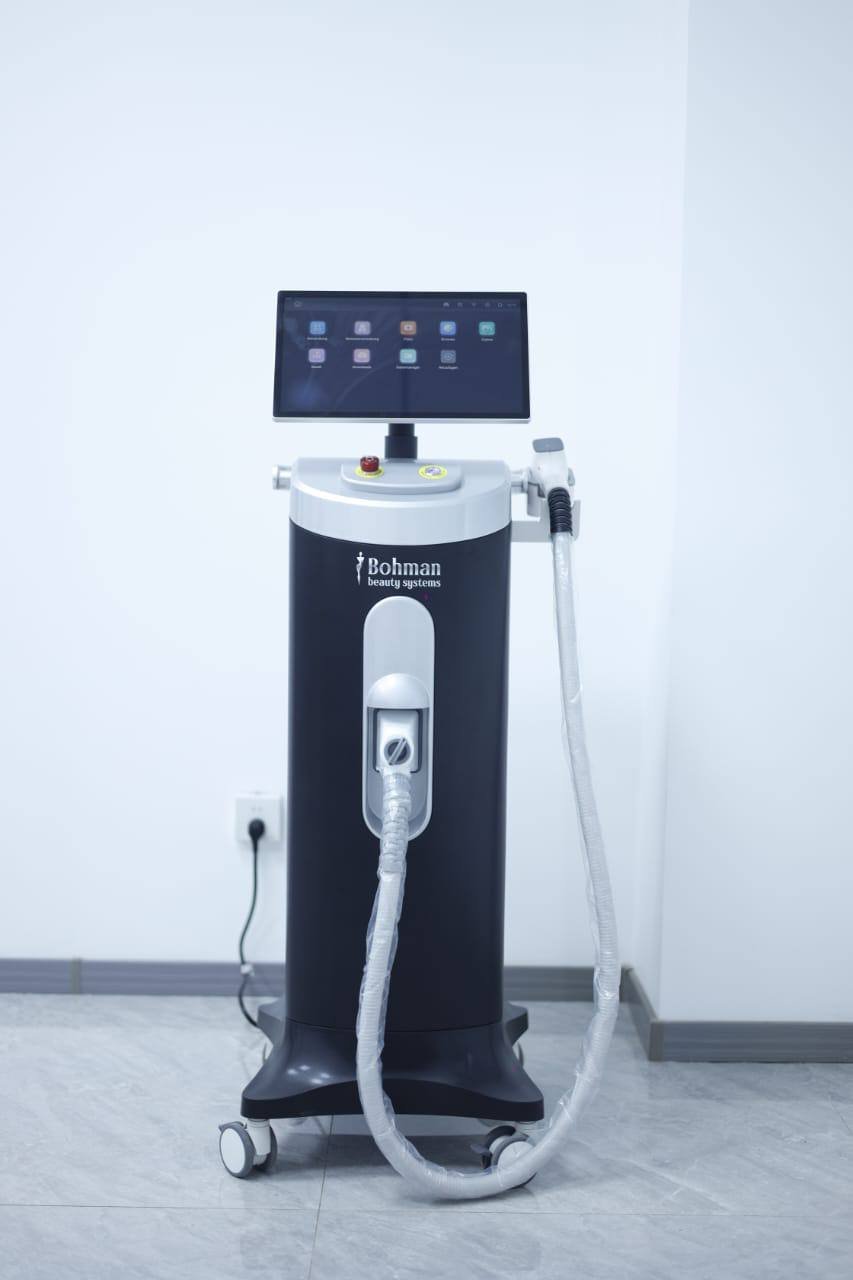
The operation of an IPL device involves various components designed to ensure effective and safe treatments. Essential components include:
- Light Source: The main component that generates the intense pulsating light.
- Cooling Mechanisms: Many IPL devices include cooling systems to protect the skin and enhance patient comfort during the treatment.
- Filters: These are used to filter out unnecessary wavelengths, allowing only targeted light to reach the skin.
Safety is a paramount concern in IPL treatments. Practitioners must adhere to strict safety protocols, including the use of protective eyewear for both the practitioner and the patient to prevent eye damage. Additionally, skin cooling measures help minimize the risk of burns or discomfort during treatment.
Benefits of IPL Technology
# Efficacy of IPL Treatments
IPL technology offers various benefits, particularly in terms of treatment efficacy. The effectiveness of IPL is evident in its applications:
- Effectiveness in Hair Removal: Studies have shown that IPL can significantly reduce hair density after a series of treatments, making it a popular choice for both men and women seeking long-term hair removal solutions.
- Improvement of Skin Texture and Tone: Regular IPL treatments can lead to noticeable enhancements in skin quality by addressing issues like uneven pigmentation, redness, and signs of aging, resulting in a smoother and more radiant complexion.
# Non-Invasive Nature
One of the standout features of IPL technology is its non-invasive nature. Unlike surgical procedures, IPL treatments do not require cuts or incisions, resulting in minimal downtime. Other considerations include:

- Comparison with Other Treatments: IPL sets itself apart from laser treatments due to its broad spectrum of light, which can simultaneously target multiple skin issues, offering versatility that single-wavelength lasers may not provide.
- Minimal Downtime and Side Effects: Most patients can return to their daily activities immediately following an IPL session, making it a convenient option for those with busy lifestyles. Side effects are generally mild, with some patients experiencing temporary redness or swelling.
Considerations and Limitations of IPL Technology
# Suitability for Different Skin Types
Despite its versatility, IPL technology may not be suitable for every skin type or condition. Important considerations regarding suitability include:
- Skin Tone and Hair Color Compatibility: IPL is most effective on light to medium skin types. Individuals with darker skin may require alternative treatments due to the risk of hyperpigmentation or burns.
- Risk of Side Effects: While generally safe, IPL treatments can pose risks for certain individuals, especially those with sensitive skin or specific contraindications. A thorough consultation with a professional is essential to assess suitability.
# Expected Outcomes and Ongoing Maintenance
Understanding the expected outcomes and ongoing maintenance is vital for anyone considering IPL treatments.
- Treatment Frequency and Sessions Required: Multiple sessions are typically required for optimal results, especially for hair removal, which often necessitates 6 to 10 sessions spaced several weeks apart.
- Long-term Results and Recommendations: While IPL can yield lasting results, maintenance treatments may be required to sustain benefits over time, ensuring ongoing skin health and appearance.
Future of IPL Technology
# Innovations in IPL Devices
The future of IPL technology looks promising, with rapid advancements in device design and functionality. Innovations to watch for include:
- Emerging Technologies and Trends: The development of devices incorporating artificial intelligence to customize treatments based on individual skin profiles is on the rise, allowing for greater precision and effectiveness.
- Enhanced Treatment Protocols: Ongoing research is expected to yield new treatment protocols and applications for IPL, particularly for conditions that are currently underserved by existing treatments.
# Expanding Applications of IPL
The applications of IPL technology continue to expand as new areas of research are explored:
- Research on New Uses: Studies are being conducted to explore the efficacy of IPL in treating conditions such as acne, psoriasis, and even certain types of hair loss.
- Integration with Other Skin Treatments: More frequently, IPL is being combined with other technologies and procedures, such as chemical peels and laser treatments, to enhance overall results and provide comprehensive solutions in aesthetic medicine.
Conclusion
IPL technology is a non-invasive, versatile solution for a variety of skin-related issues. With its ability to target various chromophores effectively, individuals looking for hair removal, skin rejuvenation, or the treatment of vascular lesions can find significant benefits from IPL treatments. As technology progresses, innovations and enhanced approaches will continue to shape the future of IPL, making it a valuable tool for practitioners and patients alike.
For clinics seeking to maximize their treatment effectiveness, the use of advanced devices such as the DL 6000 Pro 4 diode laser is recommended. This device not only complements the efficacy of IPL but serves as a comprehensive turnkey solution for beauty and skincare professionals.
With an ever-increasing range of applications, IPL technology is set to remain at the forefront of skincare solutions, empowering clients to achieve their desired aesthetic goals safely and effectively.
References
To further explore the uses and innovations of IPL technology, refer to sources such as the National Center for Biotechnology Information and other scientific literature.