

How IPL Technology Works
Intense Pulsed Light (IPL) therapy is an advanced, non-invasive treatment method widely recognized for its effectiveness in both medical and cosmetic applications. The term ‘ipl technology explained’ encompasses the underlying principles governing how this innovative therapy harnesses light energy to elicit various biological responses within the skin and eyes. As the demand for aesthetic solutions increases, understanding the mechanics behind IPL technology becomes essential for providers and patients alike.
The Science Behind IPL Technology Explained
The foundation of IPL therapy is based on the principles of phototherapy, which involve the use of light energy to influence biological processes in the body. The IPL device emits broad-spectrum light, which consists of multiple wavelengths aimed to target specific skin conditions without damaging the surrounding tissue. This attribute differentiates it from laser technology, which typically utilizes a single wavelength of light.
When IPL emits light, it penetrates the skin at various depths, depending on the wavelength applied. The energy from the light is absorbed by chromophores in the skin—pigments and blood vessels—leading to their thermal destruction. This process helps in conditions like acne, rosacea, and even promoting overall skin rejuvenation.
Wavelengths and Light Spectrum
IPL technology utilizes a diverse range of wavelengths typically between 500 nm to 1200 nm. Each wavelength is absorbed differently by various skin components. The following benefits can be achieved through different wavelengths:
- Shorter wavelengths (500-600 nm): Primarily target vascular lesions and pigmented lesions.
- Medium wavelengths (600-800 nm): Effective in reducing hair growth and treating acne.
- Longer wavelengths (800-1200 nm): Ideal for deeper skin layers, stimulating collagen production for skin rejuvenation.
By adjusting the wavelength and pulse duration, practitioners can customize treatments for individual patient needs, enhancing efficacy while minimizing side effects.
Components of IPL Devices
Understanding the components that contribute to the efficacy and safety of IPL devices is crucial for both practitioners and patients. The primary components of IPL devices include:
- Light Source: Most IPL devices utilize high-intensity xenon lamps to generate the broad spectrum of light necessary for therapy.
- Filters: These devices incorporate filters that allow only specific wavelengths of light to penetrate the skin, ensuring targeted treatment for designated conditions.
- Cooling Systems: Advanced IPL devices are equipped with cooling systems to protect the skin surface, minimizing discomfort and the risk of burns during treatment.
- Safety Features: Contemporary IPL systems often come with built-in safety mechanisms to prevent adverse effects, including energy level monitoring and skin contact sensors.

Each of these components plays a vital role in enhancing treatment outcomes and ensuring patient safety while using IPL technology.
Integrated Systems and Comprehensive Solutions
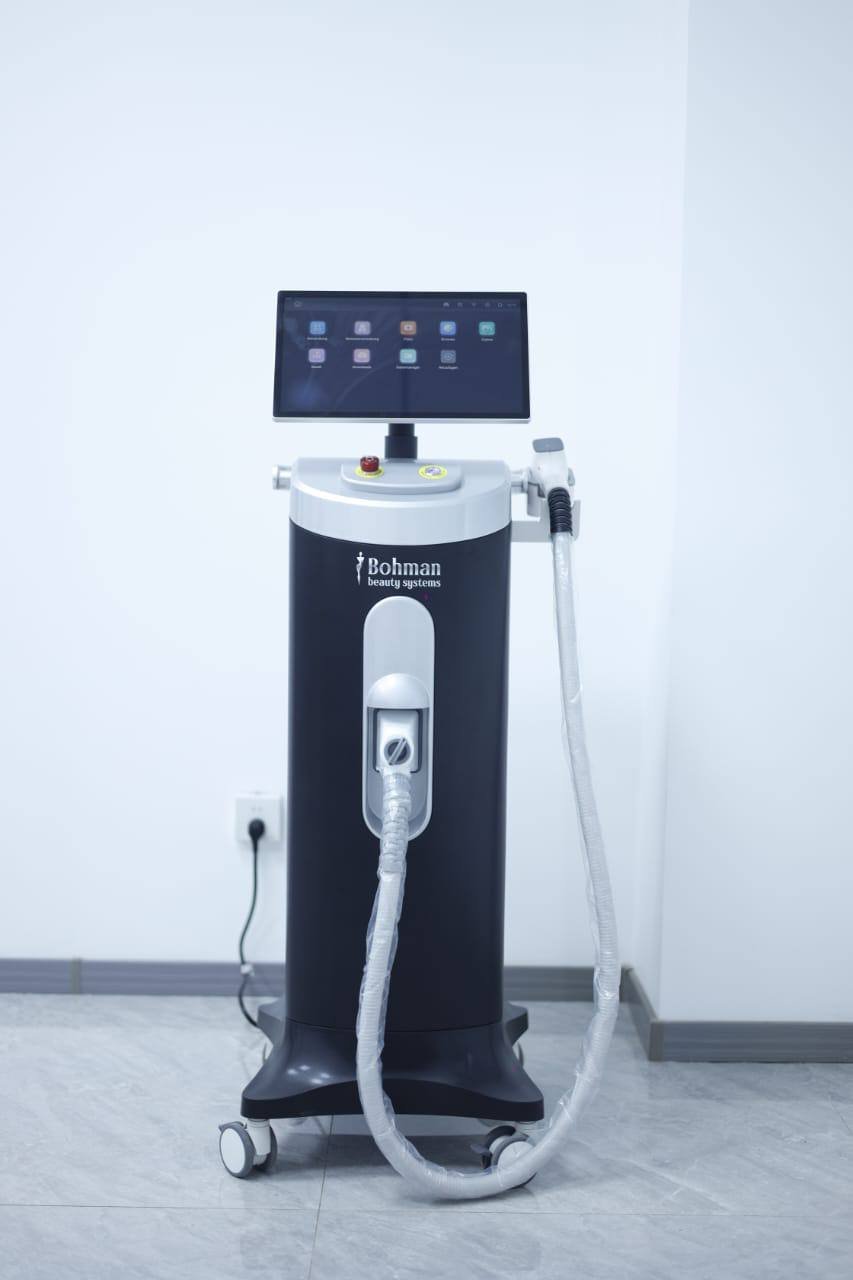
Modern advancements in IPL technology have led to the integration of systems designed to offer a multitude of services within a single platform. A prime example is the DL 6000 Pro 4 Diode Laser from Bohman Beauty Systems. This state-of-the-art device not only exemplifies an all-in-one solution for various aesthetic treatments, but it also operates as a comprehensive business investment for any serious beauty clinic or salon. By incorporating both IPL and laser technologies, practitioners can provide their clients with a broader range of services, catering to diverse skin needs with maximum efficiency and safety.
Cooling Systems and Safety Features
Cooling systems are essential in IPL technology to enhance patient comfort and safety. Various cooling techniques are employed, including:
- Contact Cooling: A cooling plate is applied to the skin before and after pulse delivery to minimize thermal damage.
- Cryogen Cooling: A burst of cryogen gas cools the skin surface just before the IPL pulse, providing instant soothing effects.
- Chilled Wand Technology: Some devices utilize handheld wands equipped with cooling mechanisms to provide comfort during treatment.
These cooling methods not only improve the patient experience but also reduce the likelihood of adverse reactions, making IPL therapy a safer option overall.
Regulatory Compliance and Standards
To ensure the safety and efficacy of IPL devices, manufacturers and practitioners must adhere to regulatory standards set by health authorities. In Europe, devices are often regulated in line with the Medical Device Regulation (MDR), which mandates that all products meet specific requirements pertaining to safety, quality, and performance. This regulatory oversight ensures that patients receive treatments from certified professionals using approved devices, thereby instilling greater confidence in the use of IPL technology.
Furthermore, practitioners are encouraged to undergo rigorous training and education in IPL application to ensure optimal results and patient safety during treatments. As a patient, seeking treatment from certified providers not only guarantees adherence to safety protocols but also enhances the overall efficacy of the IPL therapy received.
The evolution of IPL technology has significantly expanded its application range while maintaining high safety standards through rigorous compliance and innovation. As the market continues to develop, emerging techniques and advancements in IPL therapy promise even broader applications and improved patient outcomes.
The importance of understanding how IPL technology works cannot be overstated, as it ensures that both professionals and patients can make informed decisions regarding treatment options.