
Introduction to IPL Treatment
IPL skin renewal has gained traction as a leading non-invasive option for skin rejuvenation, significantly improving the appearance of photoaged skin. With a growing focus on aesthetics in medicine, effective treatments for everyday skin concerns like wrinkles, pigmentation, and vascular lesions have become paramount. Intense Pulsed Light (IPL) technology has emerged as a versatile tool in dermatology, attracting attention for its ability to promote skin health and restore a youthful appearance.
Understanding IPL Mechanism
How IPL Works for Skin Renewal
IPL utilizes a broad spectrum of wavelengths to target various skin concerns. Unlike lasers that emit a single wavelength, IPL delivers multiple wavelengths of light, allowing it to treat multiple skin issues simultaneously. The spectrum of light penetrates the skin at varying depths, making it effective for a multitude of conditions.
- Wavelengths and Light Spectrum: IPL devices emit light in the range of 500 to 1200 nanometers, which can be adjusted depending on the specific skin issue being treated.
- Targeting Skin Concerns: The light targets melanin in pigmentation, hemoglobin in vascular lesions, and water in the dermis, providing a comprehensive approach to skin treatment.
Biophysical Effects on the Skin
The mechanism of action for IPL centers around photothermolysis, a process where light energy is absorbed by specific chromophores (color-producing cells) in the skin, resulting in controlled thermal damage. This process helps stimulate the skin’s natural healing response.
- Photothermolysis Explained: The light energy converts to heat, targeting and destroying unwanted cells while sparing surrounding tissue.
- Impact on Collagen and Elastin Production: The heat encourages collagen and elastin fibers to reorganize and proliferate, leading to smoother, firmer skin over time.
Efficacy of IPL for Skin Rejuvenation
Clinical Evidence Supporting IPL Skin Renewal
Clinical evidence solidifies IPL’s standing as an effective treatment for skin rejuvenation, with a range of studies attesting to its safety and efficacy. One comprehensive retrospective study with 2,534 patients found that IPL achieved an impressive effectiveness rate between 88.24% and 96.45% in treating skin concerns related to photoaging. This efficacy stands as a strong foundation for using IPL in aesthetic medicine.
A systematic review further reinforced this point, indicating that IPL is particularly useful for improving conditions like telangiectasia (spider veins), wrinkles, pore size, erythema (redness), and hyperpigmentation. However, the findings urge the establishment of standardized treatment protocols to optimize care and outcomes.
- Types of Studies: Many studies, including randomized controlled trials, have confirmed the effectiveness of IPL treatments, with demonstrable improvements noted in various skin scenarios.
- Comparative Efficacy with Other Treatments: Compared to other non-invasive treatments, IPL shows a favorable benefit-risk ratio.
Types of Skin Concerns Addressed
IPL is highly versatile, effectively addressing a variety of skin concerns:
- Hyperpigmentation and Sun Damage: IPL effectively targets melanin, reducing dark spots and providing a more uniform complexion.
- Acne Scarring and Vascular Lesions: It can also treat acne scars, promoting healing and rejuvenation by decreasing redness and enhancing skin texture.
Treatment Protocols and Techniques
Recommended Treatment Regimens
Successful IPL skin renewal requires adherence to structured treatment protocols. Most practitioners recommend a series of sessions to achieve optimal results.
- Session Frequency and Duration: Typically, a course of three to six sessions spaced four to six weeks apart is standard for significant improvements.
- Personalization Based on Skin Type: Treatment plans must be tailored to the individual’s skin type and concerns, ensuring effective results.
Safety Considerations and Side Effects
Although IPL is generally safe, understanding potential side effects is essential for informed decision-making. Commonly reported side effects include:
- Temporary redness or swelling in treated areas.
- Mild discomfort or a warming sensation during treatment.
Proper pre- and post-treatment care can mitigate potential reactions and ensure the best outcomes. Pre-treatment guidelines often suggest avoiding sun exposure and applying sunscreen. Post-treatment, patients are advised to keep the area moisturized and avoid excessive heat or irritation.
Conclusion and Future Directions
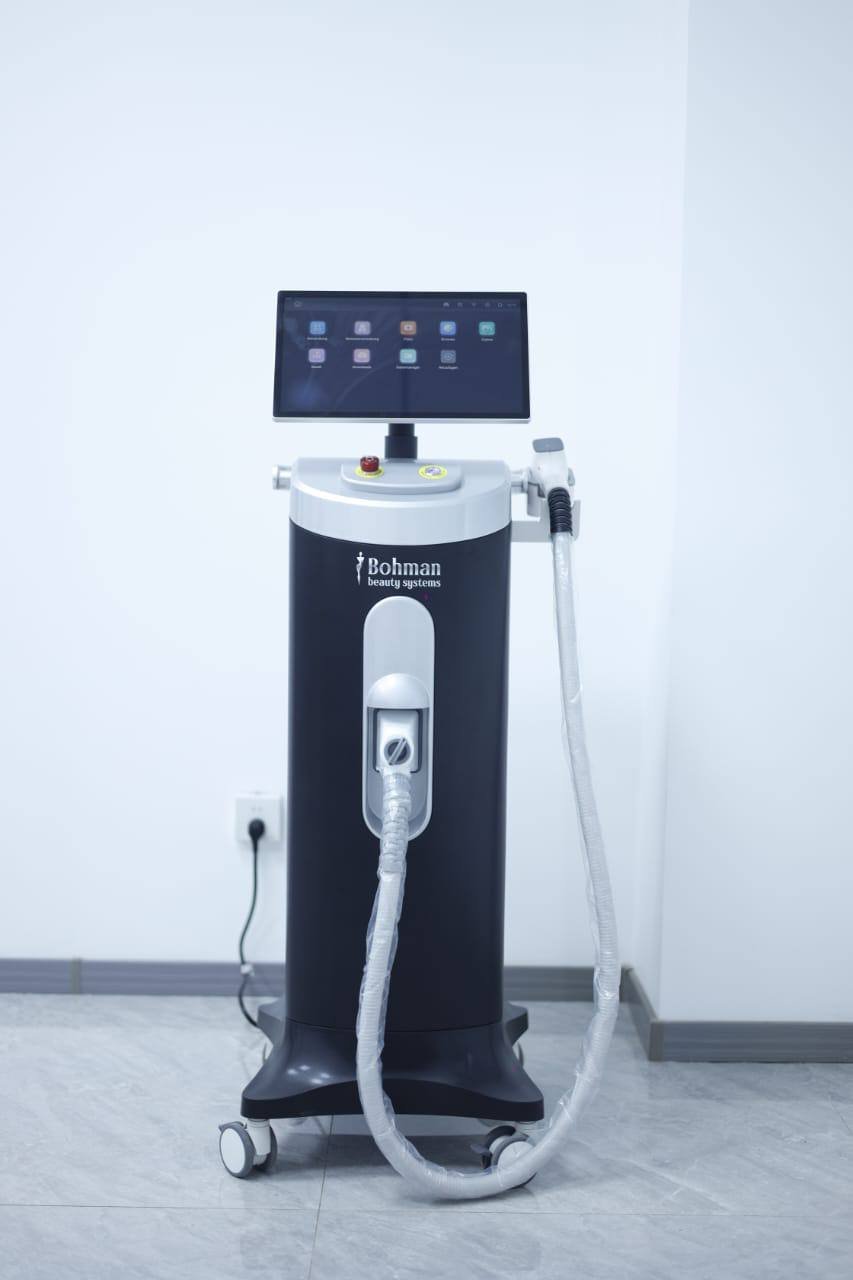
In summary, IPL therapy stands out as a highly effective and safe method for skin rejuvenation, especially concerning issues like pigmentation and vascular lesions. While its effects on wrinkles may not be as pronounced, continued research and advancements in technology are likely to enhance its applications. Innovations such as the DL 6000 Pro 4 diode laser from Bohman Beauty Systems signify a shift towards more effective treatment paradigms, merging IPL with advanced laser technology for more profound results. As the aesthetic field continues to evolve, the pursuit of effective, non-invasive treatments like IPL will remain at the forefront of skin health and rejuvenation.
References
For a deeper understanding of IPL therapy and its studies, readers are encouraged to explore scholarly articles and clinical trials. Notable external sources include PubMed for evidence-based research. Furthermore, those interested in expanding their treatment options can consider products like the DL 6000 Pro 4 diode laser, representing a robust investment for any dedicated beauty clinic or salon looking to maximize effectiveness in skin renewal therapies.