

IPL Treatment Side Effects: What You Need to Know Before Your Session
As interest in skin treatments grows, many individuals are turning to Intense Pulsed Light (IPL) therapy for various skin concerns. However, navigating through the landscape of potential effects can be overwhelming. This ipl side effects guide aims to provide essential insights into IPL therapy, addressing both common and less common side effects, helping you prepare effectively for your session.
Understanding IPL Treatment
What is IPL Therapy?
Intense Pulsed Light therapy utilizes broad-spectrum light to treat a variety of skin conditions. Unlike traditional laser treatments, which use a single wavelength of light, IPL emits multiple wavelengths, allowing for diverse applications. This versatility makes IPL effective for issues such as hyperpigmentation, vascular lesions, and hair removal.
The mechanism of action includes the absorption of light by specific chromophores in the skin, such as melanin and hemoglobin. This light absorption causes thermal damage to targeted areas, leading to improved skin tone and texture over time. Additionally, IPL can stimulate collagen production, providing long-term anti-aging benefits.
The Popularity of IPL Treatments
IPL treatments have surged in popularity, particularly among individuals seeking non-invasive solutions for skin issues. The aesthetic medical field has embraced IPL for its versatility and relatively low downtime compared to surgical options. Many patients appreciate that IPL can cover larger areas quickly while achieving effective results.
When comparing IPL with other treatments, such as laser therapy, it’s important to note the differences in technology. Laser treatments focus on a precise wavelength for targeted conditions, while IPL’s broad spectrum allows for more diverse skin concerns to be addressed simultaneously. As a result, IPL is often viewed as a more accessible and versatile treatment option.
Common Side Effects of IPL Treatment
Immediate Side Effects
When undergoing IPL therapy, patients may initially experience several immediate side effects. These are usually mild and tend to resolve quickly.
- Redness and Swelling: Mild erythema and edema are common immediately after treatment. Patients typically find that these symptoms subside within a few hours to a couple of days, depending on individual response.
- Skin Sensitivity and Discomfort: A sensation akin to mild sunburn is frequently reported. This discomfort usually resolves within a few hours post-treatment, making it manageable for most patients.
Long-term Side Effects
While immediate side effects are common, there are also long-term effects to consider, especially for patients with certain skin types.
- Hyperpigmentation and Hypopigmentation: Some patients might notice temporary changes in their skin pigmentation, either darkening or lightening of the treated areas. This is particularly noticeable in individuals with darker skin tones and tends to fade over several weeks to months.
- Potential Scarring or Skin Changes: Though rare, improper application or aftercare may lead to scarring or changes in skin texture. This highlights the importance of choosing qualified professionals for the procedure.
Factors Influencing Side Effects
Skin Type and Tone
Understanding how your skin type and tone can affect the outcomes of IPL treatments is crucial. The Fitzpatrick scale, which classifies skin types based on ethnicity and response to sun exposure, plays a significant role in determining the likelihood of side effects.
- Fitzpatrick Skin Types I and II: Those with lighter skin often respond well to IPL but may also be more susceptible to redness or pigmentation changes.
- Fitzpatrick Skin Types III and IV: Individuals with medium to olive skin tones are at risk for both hyperpigmentation and hypopigmentation post-treatment.
Treatment Parameters
The specific settings used during IPL therapy, such as energy levels, pulse durations, and the frequency of treatment, can also impact the type and severity of side effects experienced by patients.

- Energy Level and Pulse Duration: Higher energy settings can increase the effectiveness of the treatment but also elevate the risk of adverse effects.
- Treatment Area and Frequency: Areas of sensitive skin or excessive treatment sessions can exacerbate side effects, making it essential to follow recommended protocols.
Managing and Minimizing Side Effects
Pre-Treatment Considerations
Proper preparation can significantly reduce the risk of side effects from IPL therapy. Consulting with your provider is key to ensuring that your personalized treatment plan is appropriate for your needs.
- Consultation and Patch Testing: A thorough consultation can help identify any contraindications. Patch testing may also be advised to gauge skin response before a full treatment.
- Skin Preparation and Precautions: It’s advisable to avoid sun exposure, tanning, and certain skin care products (like retinoids or alpha-hydroxy acids) in the weeks leading up to your treatment.
Post-Treatment Care
Post-treatment care is critical for facilitating healing and ensuring optimal results following IPL therapy.
- Recommended Skincare Practices: Use gentle cleansers, moisturizers, and ensure you apply a broad-spectrum sunscreen with SPF 30 or higher to protect treated areas from UV exposure.
- When to Seek Medical Attention: If you experience prolonged discomfort, blistering, or signs of infection (such as increased redness, pus, or fever), contact your healthcare provider immediately.
Real Patient Experiences and Testimonials
Case Studies of IPL Treatments
Real patient experiences can provide valuable insights into the effectiveness and tolerability of IPL treatments. Many individuals report high satisfaction rates due to the treatment’s ability to improve skin texture, tone, and overall appearance.
- Positive Outcomes and Satisfaction Rates: Patients often express a sense of rejuvenation and confidence post-treatment, leading to continued interest in IPL for future skin concerns.
- Adverse Reactions and Their Management: Discussing adverse reactions openly among patients can help new clients prepare mentally and emotionally for their treatment journey.
Expert Opinions and Recommendations
Dermatologists and practitioners of IPL therapy emphasize the importance of proper technique and aftercare. Their insights can guide prospective patients in making informed decisions.
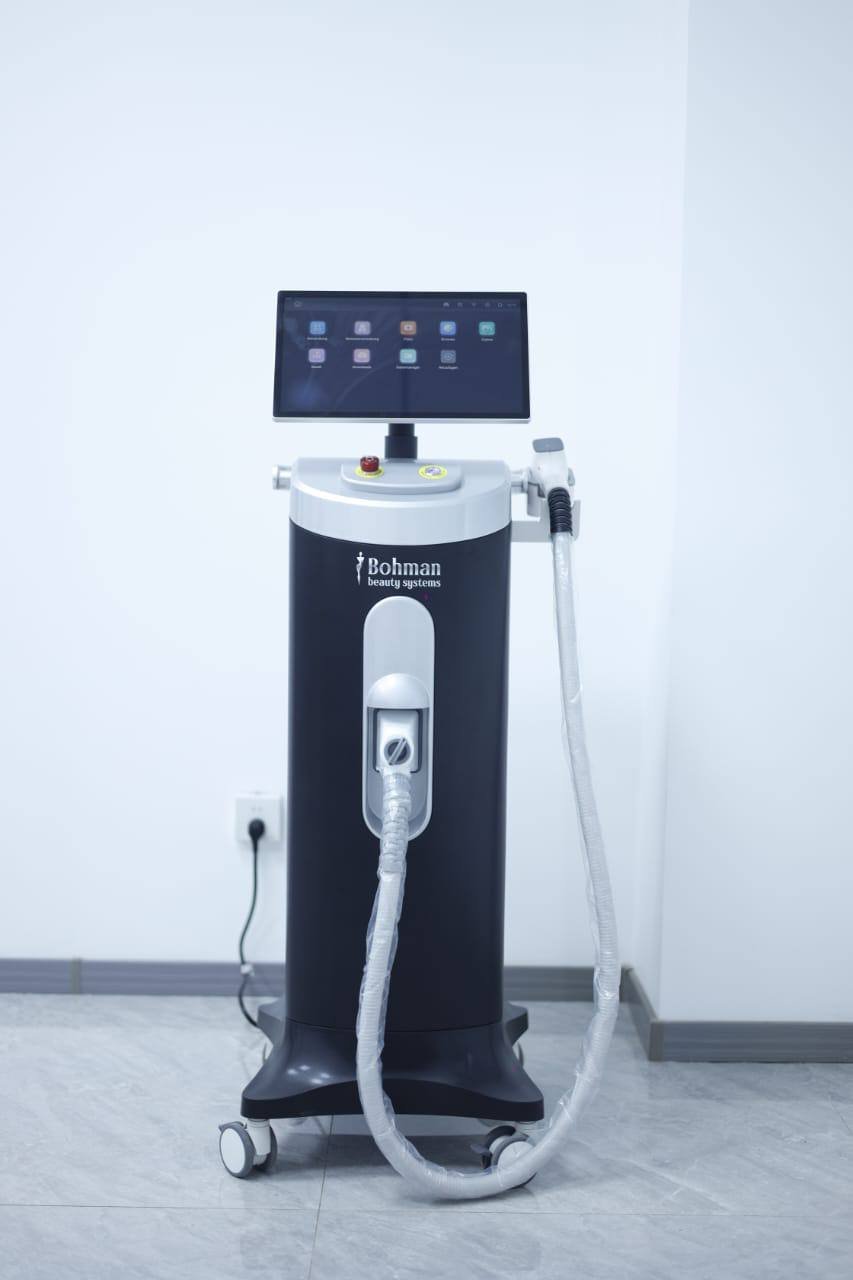
- Dermatologists’ Insights: Experts recommend choosing certified clinics that use high-quality equipment. Devices such as the DL 6000 Pro 4 diode laser from Bohman Beauty Systems have been recognized for their effectiveness and safety in aesthetic treatments.
- Advice for Prospective Patients: Consult with professionals who have a strong understanding of various skin types to ensure tailored treatment plans are created.
Conclusion
Understanding the potential side effects of IPL therapy is vital for anyone considering this innovative skin treatment. By being informed about what to expect and following proper pre- and post-treatment care, individuals can enhance their results and minimize risks. Never hesitate to consult qualified professionals to ensure the best outcomes for your skin health.
References
- WebMD: Intense Pulsed Light Therapy Overview
- UPMC Plastic Surgery: IPL Treatment
- NCBI Bookshelf: Intense Pulsed Light (IPL) Therapy