

IPL Treatment Side Effects: What You Need to Know Before Your Session
IPL side effects are an essential consideration for anyone contemplating Intense Pulsed Light therapy. This non-invasive treatment, designed for various skin concerns including hair removal, photorejuvenation, and addressing vascular and pigmented lesions, has gained popularity in the beauty and medical arenas. While IPL therapy is deemed generally safe, understanding its side effects is fundamental to achieving a successful treatment experience.
Understanding IPL Treatment
What is IPL ?
Intense Pulsed Light (IPL) therapy utilizes controlled bursts of light to target skin imperfections. The technology emits a broad spectrum of light wavelengths, which are absorbed by certain chromophores in the skin, such as melanin and hemoglobin. This mechanism triggers various therapeutic responses, making it suitable for different applications.
- Mechanism of Action: IPL works by emitting pulses of light that penetrate the skin and selectively heat targeted tissues. This process helps to break up pigmented lesions, reduce hair follicles, and promote collagen production.
- Common Applications: It is commonly used for hair removal, reducing sun damage, treating acne scars, and addressing vascular issues like rosacea.
The Benefits of IPL Treatment
Choosing IPL therapy comes with several advantages. The non-invasive nature of the treatment means minimal recovery times and fewer complications compared to surgical options. Patients often experience a noticeable improvement in skin texture and tone with minimal downtime.
- Non-invasive Options: Unlike surgical procedures, IPL is more comfortable, requiring no anesthesia and leading to immediate cosmetic improvements.
- Quick Recovery Time: Most individuals return to normal activities shortly after treatment, with many experiencing only mild side effects.
Common IPL Side Effects
Immediate Side Effects
While IPL therapy is relatively safe, some immediate side effects may occur post-treatment. Understanding these can help patients prepare for their session and manage any discomfort effectively.
- Redness and Swelling: A common side effect, temporary redness and mild swelling at the treatment site may occur. This typically resolves within a few hours to a couple of days. (WebMD)
- Sensitivity and Discomfort: Some individuals report sensations akin to a mild sunburn, which usually subsides a few hours after treatment. (UPMC)
Long-Term Side Effects
In some cases, patients may experience long-term effects following IPL treatment, which can vary based on skin type and treatment parameters.
- Skin Texture Changes: Temporary alterations in skin texture may occur following treatment, often resolving within a short time frame.
- Hyperpigmentation or Hypopigmentation: Changes in pigmentation can persist, particularly in individuals with darker skin tones. Temporary darkening (hyperpigmentation) or lightening (hypopigmentation) may be observed. (PubMed)
Factors Influencing IPL Side Effects
Skin Type and Sensitivity
The response to IPL can vary significantly depending on individual characteristics, with skin type and pre-existing conditions playing crucial roles in the therapy’s outcome.
- Fitzpatrick Skin Classification: Skin tones categorized in the Fitzpatrick scale can influence the risk of side effects, with higher risk present in deeper skin tones.
- Pre-existing Skin Conditions: Individuals with conditions such as eczema or psoriasis may experience increased sensitivity and should disclose these to their practitioner.

Treatment Parameters
Settings during the IPL procedure can also impact side effects. Many factors need to be tailored to each individual’s treatment plan to minimize risks.
- Wavelength and Intensity: The specific wavelengths utilized and the intensity settings significantly influence how the skin reacts post-treatment.
- Number of Sessions: The frequency of treatments can impact long-term outcomes and the likelihood of side effects.
Pre-Session Considerations
Consultation and Skin Assessment
Before undergoing IPL therapy, patients should engage in a comprehensive consultation with a qualified professional. This step is critical for assessing suitability and addressing concerns.
- Importance of a Professional Evaluation: A skilled practitioner will evaluate skin conditions and discuss potential risks associated with IPL therapy.
- Questions to Ask Your Practitioner: Patients should inquire about their specific risks, the technology being used, and post-treatment expectations.
Preparing for Your IPL Session
Preparation can significantly enhance the therapeutic benefits of IPL while minimizing potential negative outcomes. Here are key steps to follow:
- Skin Care Routine Adjustments: Discontinue the use of self-tanners, exfoliating products, and harsh skin treatments at least a week before the session.
- Avoiding Sun Exposure and Tanning: It is crucial to stay out of the sun for at least two weeks prior to treatment to limit the risk of pigmentation changes. (UPMC)
Aftercare and Managing IPL Side Effects
Post-Treatment Care
Proper aftercare is essential for minimizing side effects and optimizing the effectiveness of IPL therapy.
- Recommended Products and Practices: Patients should use gentle cleansers and moisturizers, avoiding exfoliating agents for at least a week post-treatment. Sun protection is vital for healing skin.
- When to Contact Your Practitioner: If severe side effects arise or concerns develop, it is advisable to contact the healthcare provider promptly.
Strategies for Minimizing Side Effects
Employing protective measures post-treatment can significantly enhance the healing process. Here are some actionable strategies:
- Hydration and Moisturization: Maintaining skin hydration is crucial after treatment, as it aids recovery and soothes irritation.
- Protective Measures Against Sun Damage: Apply a broad-spectrum sunscreen with at least SPF 30, particularly on treated areas, to reduce UV exposure. (Sierra Cosmetic Surgery)
Conclusion
In conclusion, understanding IPL side effects and their management can significantly contribute to a successful treatment experience. By considering individual skin factors, engaging in professional consultations, and adhering to pre- and post-treatment care guidelines, patients can minimize risks and enhance the results of their IPL sessions. A well-informed approach not only aids in decision-making but also enables individuals to enjoy the aesthetic benefits of IPL treatment confidently.
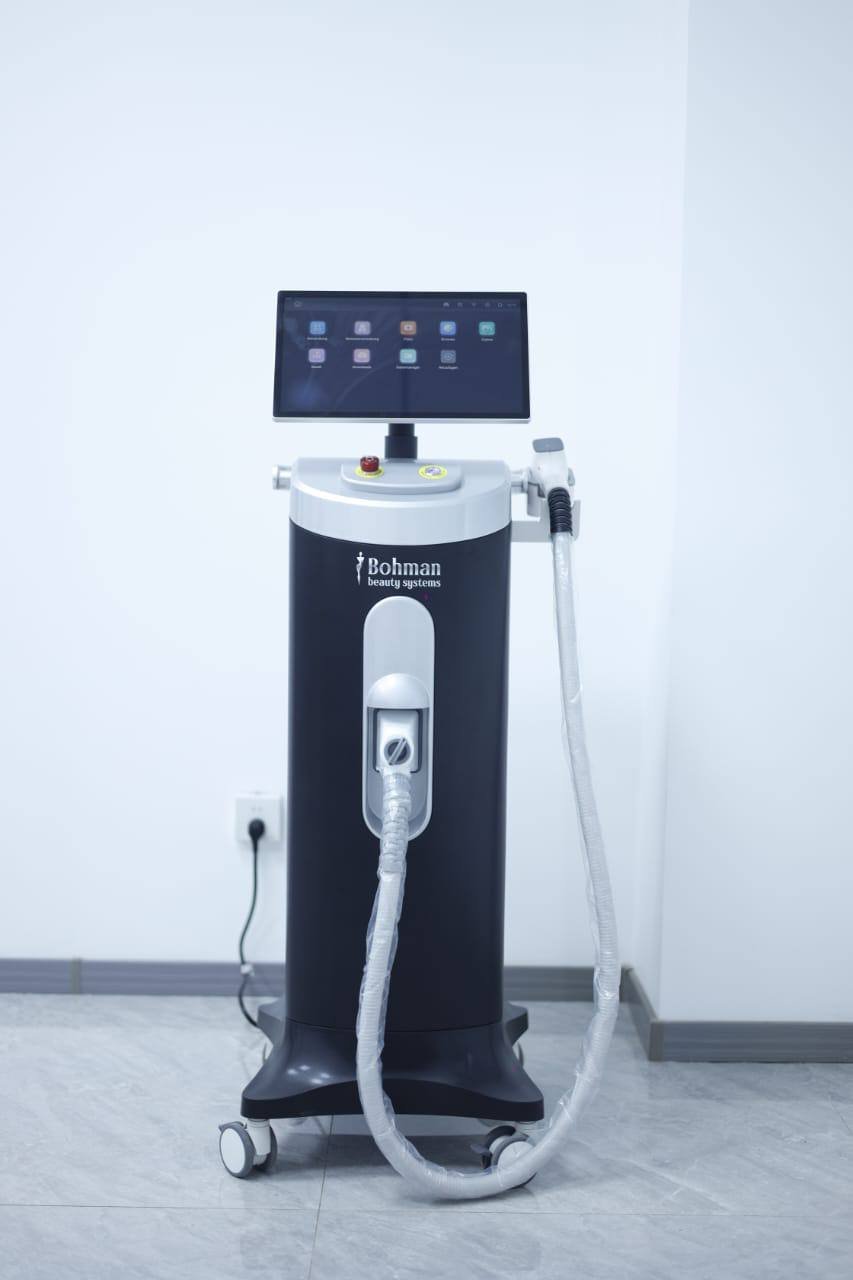
For beauty professionals seeking reliable devices, consider the DL 6000 Pro 4 diode laser from Bohman Beauty Systems. This comprehensive solution is designed for effective and safe treatments, making it a smart investment for any serious beauty clinic or salon. You can find out more about this innovative equipment here.