

Introduction
When it comes to hair removal, many individuals seek effective solutions that fit their specific needs and preferences. IPL hair removal insights can provide valuable knowledge in making this decision. Two popular methods are Intense Pulsed Light (IPL) and laser hair removal, both of which effectively reduce unwanted hair. However, understanding the intricacies of each method is essential to choosing the right option for your unique situation.
Understanding IPL Technology
What is IPL?
Intense Pulsed Light (IPL) is a cosmetic technology that employs broad-spectrum light to target various skin conditions, including unwanted hair. Unlike traditional hair removal methods such as shaving or waxing, IPL provides a more long-term solution by specifically targeting the melanin in hair follicles. The key features of IPL technology include its versatility in treating various skin issues and its ability to reduce hair growth over time.
One significant difference between IPL and traditional methods is that IPL can treat a larger area of skin at once due to its broad spectrum of light. Traditional methods, in contrast, often require more repetitive actions, making IPL a time-efficient option for individuals seeking permanent hair reduction.
How IPL Technology Works
The science behind IPL is intriguing; it uses a xenon flash lamp that emits light across a broad spectrum (500–1200 nm). Filters are applied to isolate specific wavelengths, allowing for improved targeting of hair follicles and addressing various skin concerns. When the light energy is absorbed by the melanin in the hair, it converts into heat, which damages the follicle and inhibits future hair growth.
This targeting mechanism allows IPL to be effective, reducing hair density over multiple sessions. However, suitability is heavily influenced by skin tone and hair color; IPL tends to work best on light to medium skin tones with dark, coarse hair.
Exploring Laser Hair Removal
What is Laser Hair Removal?
Laser hair removal is another advanced treatment designed to eliminate unwanted hair by utilizing precise, focused beams of light. This method operates similarly to IPL but differs in its use of a single wavelength of light, which allows for more targeted treatments and, often, better results. Key features of laser hair removal include its ability to work effectively across various hair and skin types, thanks to the development of different laser technologies.
The common types of laser technologies used for hair removal include Alexandrite lasers, Nd:YAG lasers, and diodes, each varying in their wavelengths and resulting efficacy on skin and hair types.
The Process of Laser Hair Removal
Laser hair removal’s effectiveness lies in its focused energy that directly targets hair follicles. It operates by delivering a concentrated beam of light that is absorbed by the pigment in hair. This absorption creates heat that damages the follicle, significantly reducing hair growth over time. Similar to IPL, multiple sessions may be necessary to achieve optimal results, but the number of treatments is generally fewer than IPL.
While IPL treats multiple wavelengths simultaneously, laser hair removal is more precise, making it often a better option for those seeking effective results on varying skin types, including darker tones. Recent advancements in laser technology have made this method suitable for a broader demographic.
Comparing IPL and Laser Hair Removal
Effectiveness
Both IPL and laser hair removal are effective methods for reducing unwanted hair, but they vary in efficacy and maintenance. IPL typically leads to 60–80% hair reduction after a series of treatments, taking about 8–12 sessions spaced 4–6 weeks apart. In comparison, laser treatments often yield results of 70–90% hair reduction, usually requiring 6–8 sessions. The maintenance for IPL involves treatments every 6–12 months, while laser may require sessions every 12–24 months.
It is crucial to consider individual skin and hair type when evaluating effectiveness. IPL is best for light to medium skin tones with coarse dark hair, while laser treatments can cater to a broader range of hair colors and skin tones, particularly with advancements like the 1064 nm Nd:YAG laser.
Safety and Side Effects
Safety is always a concern for any cosmetic procedure, including hair removal. Both IPL and laser hair removal may present risks; however, they generally carry low incidences of serious side effects when performed by trained professionals. IPL can cause temporary skin redness and mild discomfort. However, it also carries risks of blistering and hyperpigmentation, especially in individuals with darker skin tones.
On the other hand, laser hair removal tends to cause less pain and carries lower risks of side effects due to its focused targeting capabilities. Typical responses include mild redness or irritation, which usually subsides shortly after treatment.
Post-treatment care is essential for both methods. Following your session, it is recommended to avoid sun exposure, use sunscreen, and follow any specific aftercare instructions provided by your practitioner for optimal results and minimizing risks.
Making the Right Choice: IPL vs. Laser
Factors to Consider
When deciding between IPL and laser hair removal, several key factors should be considered. Budget plays a significant role; IPL treatments typically cost between $150 and $400 per session, while laser treatments range from $200 to $600. Though laser may have a higher upfront cost, fewer sessions are required overall, potentially leading to a better long-term financial investment.
- Budget and Cost Analysis
- Personal Preferences and Pain Tolerance
- Hair and Skin Type Considerations
- Desired Treatment Results and Maintenance
Additionally, personal pain tolerance and expectations regarding downtime can influence your choice. Both treatments generally involve minimal downtime, but personal experiences may vary.
Expert Insights and Recommendations
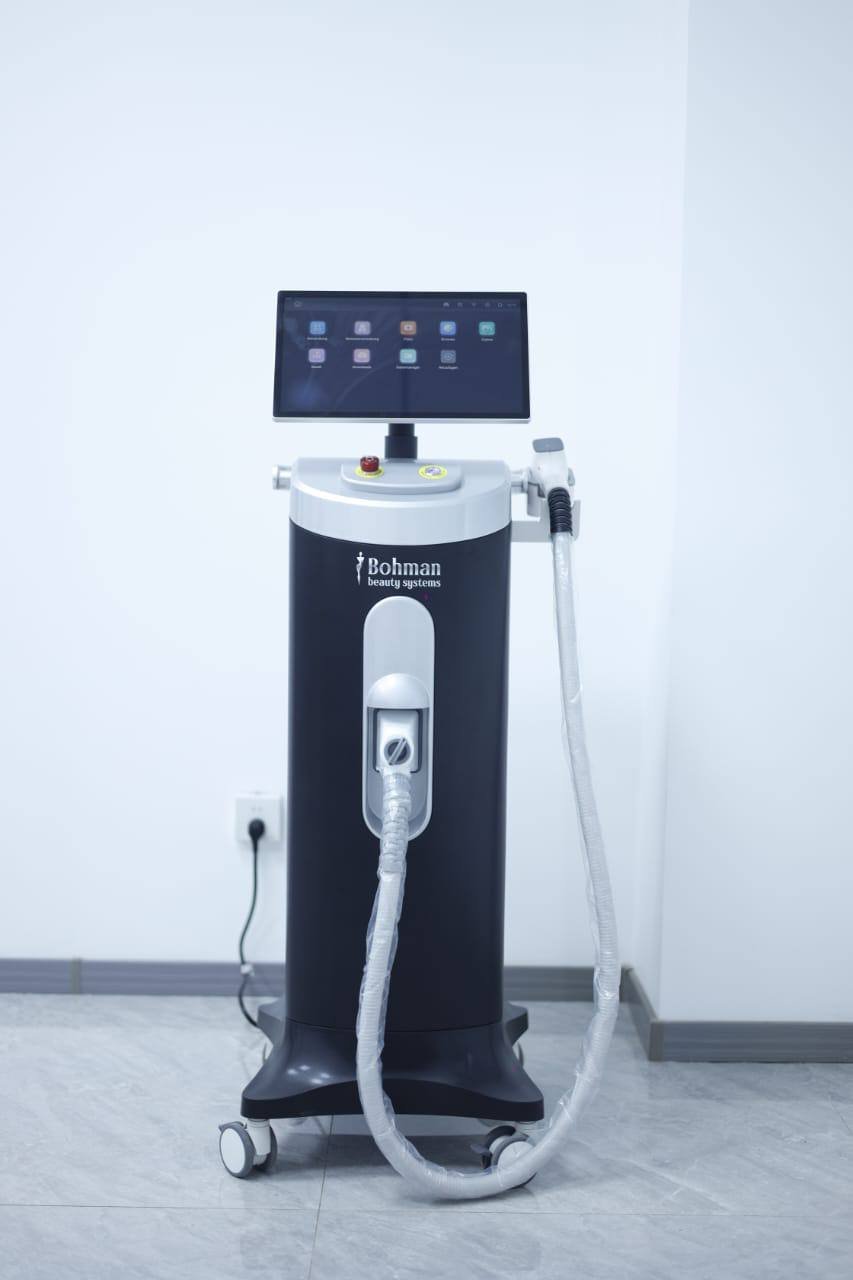
Consulting with an experienced practitioner can yield valuable insights related to IPL hair removal insights and specific recommendations based on individual needs. Experts can assess skin tones, hair types, and treatment goals to propose the most suitable method. For clinics looking to upgrade their technology, the DL 6000 Pro 4 diode laser from Bohman Beauty Systems is an excellent choice. It offers a high-performance solution that can enhance service offerings and improve customer satisfaction.
Real-world user experiences also highlight that those with lighter hair and darker skin may experience differing results; seeking expert advice is key. Reviews and testimonials can provide meaningful insights into how each treatment method may work for you.
Conclusion
In summary, both IPL and laser hair removal present viable options for managing unwanted hair. While IPL may be more accessible and cost-effective for some individuals, laser technology is generally more advanced and effective, particularly for a wider range of hair colors and skin tones. Careful consideration of personal factors, coupled with expert consultation, can lead to an informed choice.
Understanding the nuances of each method empowers individuals to select the solution that best fits their unique situation. Whether opting for IPL or laser hair removal, informed decision-making is critical to achieving desired results and ensuring a positive experience.