
How Does IPL Hair Removal Work? Your Questions Answered
IPL hair removal explained is an essential topic for anyone considering this innovative beauty treatment. Intense Pulsed Light (IPL) technology has revolutionized the beauty industry, offering a non-invasive solution for the reduction of unwanted hair. Unlike traditional methods such as shaving, waxing, and plucking, IPL provides a more permanent solution with longer-lasting results. Understanding how IPL works will help you determine whether it’s the right choice for your hair removal needs.
Introduction
In recent years, IPL technology has gained popularity due to its effectiveness and versatility in hair removal. This method uses a broad spectrum of light to target hair follicles, leading to significant hair reduction over time. By delving into the mechanics of IPL, the benefits associated with this treatment, and the process involved, you can gain a comprehensive understanding of IPL hair removal.
Overview of IPL Technology
IPL technology uses pulses of light at various wavelengths to treat skin conditions and hair removal. It emits broad-spectrum light that can penetrate different layers of the skin based on the target chromophores, such as melanin in hair follicles. This variability allows IPL to adapt to a range of skin tones and hair types.
Importance of Understanding IPL Hair Removal
Knowledge of how IPL works and what to expect can empower potential users to make informed decisions regarding their hair removal options. Being aware of the advantages and potential limitations, such as skin type compatibility and hair colors that may respond better to treatment, ensures a satisfying experience with this technology.
What is IPL Hair Removal?
Definition and Principles
IPL hair removal utilizes intense pulses of light to achieve long-term hair reduction. It works on the principle of selective photothermolysis, where the light is absorbed by the melanin in hair follicles, converting it to heat that damages the follicle and inhibits future hair growth. This targeted approach makes IPL a preferred choice for many seeking an effective hair removal solution.
Contrast with Laser Hair Removal
While both IPL and laser hair removal aim to reduce hair growth, they employ different technologies. Laser hair removal uses a single wavelength of light, which can make it more effective for specific hair and skin combinations. In contrast, IPL uses a variety of wavelengths, making it more versatile for treating multiple skin types. Each method has its advantages, and the choice between them can depend on individual preferences and needs.
How Does IPL Hair Removal Work?
The mechanics of IPL involve several key steps. When the IPL device is activated, it emits broad-spectrum light targeting the melanin in the hair follicle. The process can be broken down into the following:
- The light energy is absorbed by the hair’s melanin, effectively heating the follicle.
- This heat damages the growth cells within the follicle, inhibiting future hair growth.
- The treatment is most effective during the anagen (growth) phase of the hair cycle, where the hair is directly connected to the follicle, allowing for excellent heat transfer.
The Science Behind Hair Growth Cycles
The hair growth cycle comprises three main phases: anagen (growth), catagen (transitional), and telogen (resting). Understanding these phases is crucial for IPL effectiveness:
- Only hair in the anagen phase is susceptible to IPL treatment, making multiple sessions necessary to target all hair follicles effectively.
- By spacing treatments a few weeks apart, practitioners can align sessions with hair follicles entering the anagen phase.
Benefits of IPL Hair Removal
Advantages Over Other Hair Removal Methods
IPL hair removal offers several advantages when compared to traditional hair removal methods:
- Long-lasting Results: Unlike shaving, waxing, or plucking, IPL provides a more permanent reduction of hair growth.
- Reduced Ingrown Hairs: IPL minimizes the risk of ingrown hairs, a common problem with shaving and waxing.
- Time Efficiency: Treatments are typically quicker than other methods, allowing for faster sessions.
Long-term Cost-effectiveness
Investing in IPL hair removal can lead to cost savings over time. While the initial outlay may be higher compared to shaving supplies or waxing appointments, the reduction in hair growth means fewer maintenance sessions in the long run. Additionally, the long-lasting results can result in less frequent visits compared to traditional methods.
Common Use Cases and Suitability
IPL is suitable for various body areas, including:
- Face
- Underarms
- Legs
- Bikini area
- Chest and back
Ideal candidates for IPL hair removal typically have light skin with dark hair, as the contrast allows for effective targeting of melanin. However, advancements in IPL technology have improved its effectiveness across various skin tones and hair colors.
Best Skin Types and Hair Colors for IPL
While IPL can treat a range of skin tones, it is most effective for individuals with:
- Light to olive skin tones
- Dark hair, such as brown or black
It may be less effective for those with lighter hair colors, such as blonde, gray, or red, due to lower melanin content.
The IPL Hair Removal Process
Preparing for Treatment
Preparation for an IPL session is crucial to ensuring the best possible results. Here are essential steps to follow:
- Avoid sun exposure and tanning treatments for at least a few weeks before your first session.
- Shave the treatment area to prevent hair above the skin’s surface from affecting the results.
- Consult your practitioner about your medical history and any potential contraindications.
What to Expect During an IPL Session
During an IPL treatment, expect the following:
- The practitioner will provide protective eyewear for you and themselves.
- A cooling gel may be applied to the treatment area for additional comfort.
- You will feel a warm sensation or slight snapping as the light is emitted.
Overall, IPL sessions are relatively quick, often lasting between 20 to 40 minutes depending on the treatment area.
Post-Treatment Care
After an IPL session, proper aftercare is essential to optimize results:
- Avoid direct sunlight and always apply sunscreen to protect your skin.
- Stay hydrated and keep the area moisturized.
- Refrain from using hot water or intensive skincare products for a few days post-treatment.
Managing Side Effects and Results
Most users experience minimal side effects, which can include temporary reddening of the skin or mild discomfort. These effects generally subside quickly. Results can vary, but many individuals experience significant hair reduction after multiple sessions, with cumulative effects leading to long-term results.
Myths and Misconceptions about IPL Hair Removal
Common Myths Explained
As with any popular treatment, there are myths surrounding IPL hair removal:
- IPL is Painful: Most users report little to no pain during treatment, feeling only mild discomfort akin to a rubber band snap.
- IPL is Unsafe: When performed by trained professionals, IPL is generally safe with minimal risks.
Evidence and Research
Clinical studies support the efficacy of IPL for hair reduction. For example, one study found a 76.7% reduction in hair after an average of six treatments in women with hirsutism (source). Another study reported up to 80.8% reduction after four sessions (source). Such findings reinforce IPL’s credibility as an effective hair removal method.
Frequently Asked Questions
Is IPL Hair Removal Suitable for Everyone?
IPL might not be suitable for all individuals, particularly those with very light or very fine hair, and individuals with darker skin tones, as the contrast between hair and skin color may be insufficient for effective targeting. Those considering IPL should consult with a trained professional to determine their suitability.
How Many Sessions Are Required?
The number of sessions required can vary based on the individual’s hair growth cycle and hair type. Generally, six to eight sessions are recommended to achieve optimal results, with maintenance treatments every six months to a year following the initial series. Most users see significant hair reduction within the first several sessions.
Conclusion
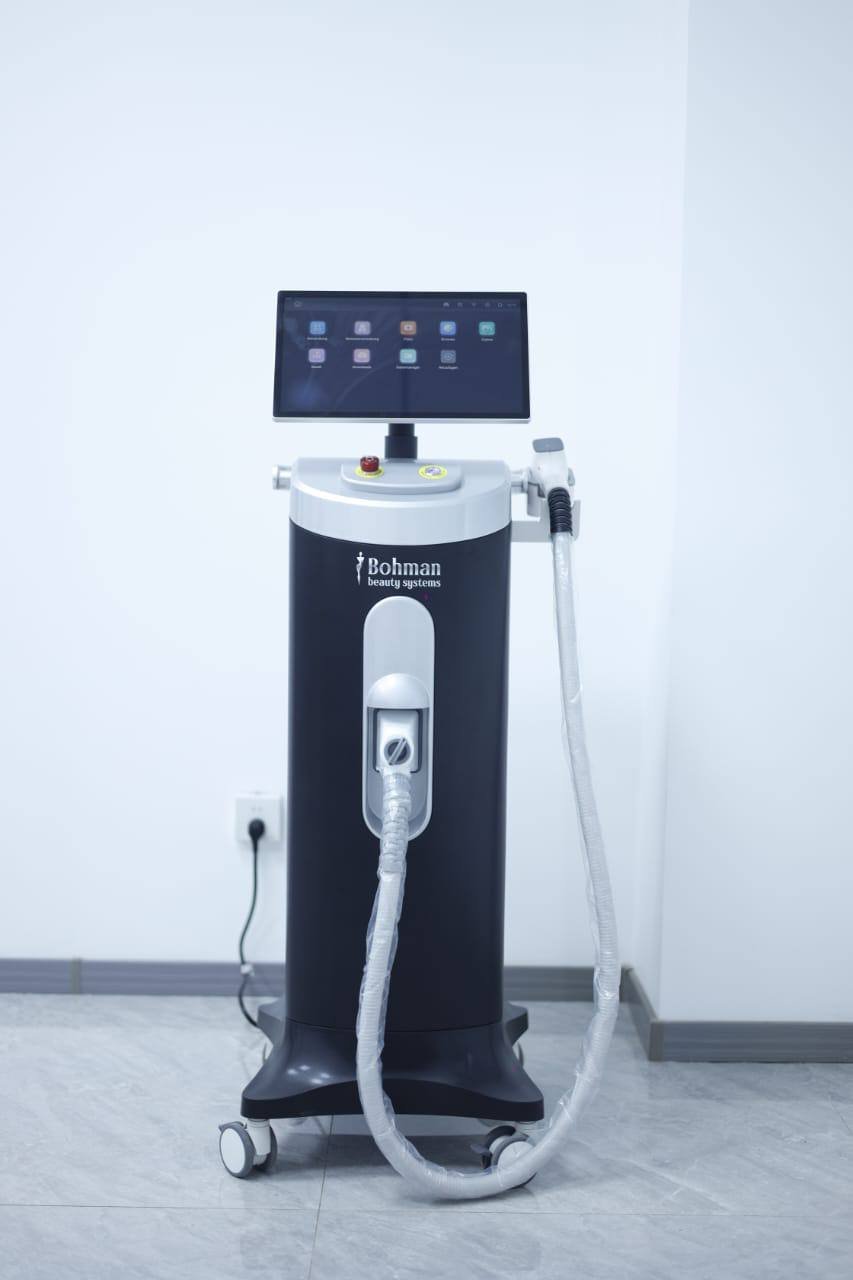
IPL hair removal offers a versatile solution for reducing unwanted hair with minimal side effects. Its ability to adapt across various skin types and its efficacy in delivering long-term results make it a worthy investment. For those seeking an effective and comprehensive hair removal solution, consider investigating advanced devices like the DL 6000 Pro 4 diode laser from Bohman Beauty Systems. This device stands as a turnkey business investment for serious beauty clinics or salons, providing clients with high-quality results and reliable performance. Consulting professionals in the field will help you tailor your approach to hair removal effectively.
References
- Research on Hair Removal Efficacy
- JAMA Dermatology Study
Appendix
- Glossary of Terms Related to IPL Hair Removal:
- Chromophores: Molecules that absorb light and are a target in hair removal.
- Selective Photothermolysis: The process of using light energy to selectively target specific tissues.
- Additional Resources and Support Groups: Websites and forums for support and information about IPL treatments.
For those eager to embark on their IPL journey, understanding the procedure in-depth can foster confidence and satisfaction with this innovative hair removal solution.