

Customizing Your IPL Treatments: Factors Influencing Effective Results
In the realm of dermatology, customized IPL outcomes are increasingly recognized as a pivotal aspect of effective skincare. Intense Pulsed Light (IPL) therapy is a versatile treatment method used to address various skin issues such as pigmentation abnormalities, vascular lesions, and even hair removal. Customization in IPL treatments ensures that individual patient characteristics, including skin type, genetic makeup, and lifestyle choices, are taken into account. This tailored approach enhances the efficacy of treatments while minimizing potential side effects, making it essential for achieving the best possible results.
1. Introduction to IPL Technology
What is IPL Therapy?
Intense Pulsed Light (IPL) therapy utilizes a broad spectrum of light wavelengths to penetrate the skin and target specific skin concerns. Unlike laser therapy, which emits a single wavelength of light, IPL disperses multiple wavelengths simultaneously, allowing for a more comprehensive treatment capable of addressing various skin conditions ranging from redness and sun damage to unwanted hair. When delivered in precise pulses, the light energy is absorbed by the targeted tissue, leading to controlled thermal damage that prompts the body’s natural healing processes.
Overview of IPL Applications and Benefits
IPL therapy boasts a diverse range of applications, making it a valuable tool in dermatology. Some of the key benefits and applications include:
- Reduction of vascular lesions such as spider veins and rosacea.
- Improvement of skin tone and texture by addressing pigmentation issues.
- Hair removal through photothermolysis, where hair follicles are destroyed by absorbed light energy.
- Treatment of sun damage and age spots, contributing to an overall more youthful appearance.
Given the versatility of IPL, understanding its customization is crucial to achieving optimal outcomes for each patient. This brings us to the next section: understanding how individualized treatment frameworks can be built around specific patient characteristics.
2. Understanding Customized IPL Outcomes
Importance of Customization in IPL Treatments
Customization in IPL therapies is paramount for addressing the unique concerns of each patient. The effectiveness of IPL treatments can significantly vary based on several factors, including:
- Skin type and pigmentation
- Genetic predispositions affecting condition severity
- Hormonal influences on responsiveness and healing
- Lifestyle choices impacting treatment effectiveness
- Gender differences in skin anatomy and physiology
The need for personalized treatment guidelines becomes evident as practitioners work to optimize treatment plans that not only maximize efficacy but also mitigate risks for adverse reactions.
Factors Affecting IPL Treatment Personalization
Several key factors influence the need for tailoring IPL treatments. Understanding these factors allows doctors to engineer customized IPL outcomes that enhance patient satisfaction and treatment efficacy:
- Skin Type and Pigmentation: The Fitzpatrick skin type classification is a fundamental metric, with types I-III generally responding well, while types IV-VI may require additional considerations to avoid hyperpigmentation.
- Genetic Predispositions: Certain genetic traits, such as predisposition to hyperpigmentation or conditions like rosacea, can dictate how the skin responds to light therapies.
- Hormonal Influences: Hormonal fluctuations, particularly in women, can significantly influence skin texture and response to IPL, necessitating adjusted treatment protocols.
- Lifestyle Factors: Elements such as diet, smoking, and sun exposure substantially impact skin health and recovery, emphasizing the need for pre- and post-treatment guidance.
- Gender Differences: Men and women often have differing skin thickness, sebum production rates, and healing capabilities, which should all be factored into treatment planning.
3. Skin Assessment for Tailored IPL Treatment
Skin Type Classification: Identifying Your Skin’s Needs
A thorough skin assessment is crucial for any dermatological treatment, especially for IPL therapy. The Fitzpatrick classification, which ranges from Type I (very fair skin, always burns) to Type VI (very dark skin, never burns), provides invaluable insights into how a patient’s skin might react to IPL. Here’s a closer look:
- Type I: Very fair skin; high risk of sunburn; best outcomes with IPL.
- Type II: Fair skin; may burn but can tan; responds well to IPL.
- Type III: Medium skin; burns less frequently; fair to moderate results with IPL.
- Type IV: Olive skin; burns minimally; requires careful parameter settings.
- Type V: Brown skin; burns rarely; high melanin concentration necessitates adjustments.
- Type VI: Dark brown/black skin; highest risk for pigmentation issues; requires specialized settings to ensure safety.
Practitioners must be diligent in evaluating skin type and adjusting treatment because skin types respond differently to the various wavelengths and intensities used in IPL therapy.
Significance of Skin Concerns: Acne, Pigmentation, and Aging
Individual skin concerns also play a significant role in customizing IPL treatments. Conditions such as acne, pigmentation disorders, and aging-related changes require unique protocols:
- Acne: IPL can address active acne and post-inflammatory erythema, often needing a series of treatments to achieve optimal results.
- Pigmentation: Hyperpigmentation and sunspots can be effectively treated, but require careful monitoring to prevent over-treatment.
- Aging: Skin texture and tone can improve significantly with IPL, helping to reduce wrinkles and refine skin appearance.

4. Treatment Parameters for Optimal Results
Wavelength Selection: How It Influences Effectiveness
Wavelength selection is one of the essential parameters in IPL therapy. Each wavelength targets different chromophores within the skin, which are involved in various skin concerns. Choosing the correct wavelength based on the treatment goal is crucial for effective and safe outcomes:
- Shorter wavelengths (500–600 nm): Useful for treating acne and vascular lesions.
- Medium wavelengths (600–900 nm): Target melanin for pigmentation issues.
- Longer wavelengths (900–1200 nm): Effective for deeper penetration, useful in hair removal treatments.
Advanced technology now allows for precise wavelength customization, enhancing the efficacy of IPL treatments. Considering the specific absorption spectra of target tissues not only boosts success rates but also drastically reduces the likelihood of side effects.
Pulse Duration and Intensity Settings: Tailoring for Comfort and Efficacy
Beyond wavelength, the pulse duration and intensity settings are also paramount in customizing IPL outcomes. Practitioners must adjust these settings based on the targeted treatment and individual patient factors:
- Pulse Duration: Should align with the thermal relaxation time of the target tissue; shorter for more selective treatments.
- Fluence: Must be sufficient to achieve the desired effect without damaging surrounding tissues; this will vary based on individual tissue characteristics.
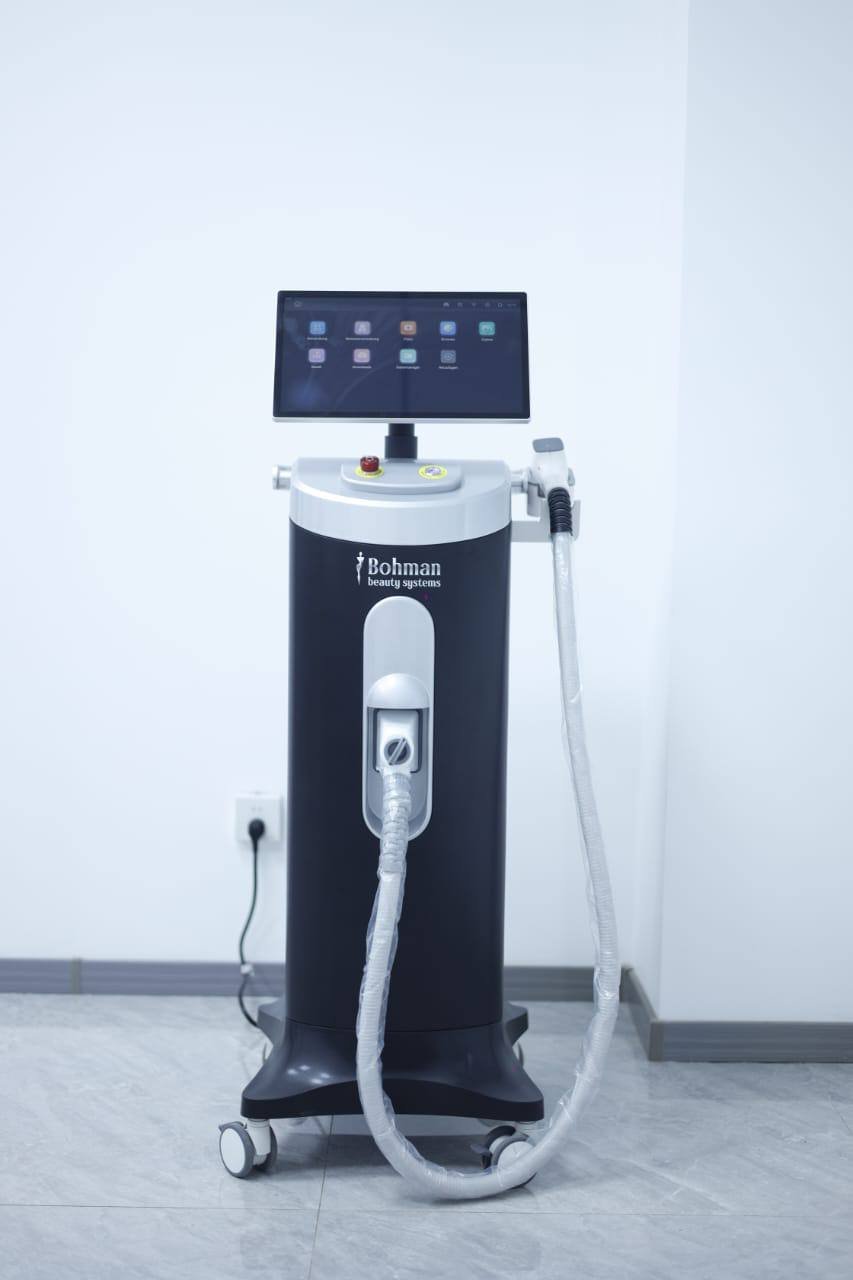
Finding the optimal balance between comfort and efficacy ensures that patients have a comfortable experience while achieving the intended results efficiently. Moreover, integrating sophisticated devices like the DL 6000 Pro 4 diode laser from Bohman Beauty Systems can enhance treatment precision significantly.
5. Post-Treatment Care and Maintenance
Recommended Aftercare for Enhanced IPL Outcomes
The post-treatment phase is just as crucial as the treatment itself. Appropriate aftercare enhances the healing process and improves the sustainability of IPL therapy results. Recommendations for aftercare include:
- Avoiding sun exposure and using broad-spectrum sunscreen.
- Keeping the treated area clean and moisturized.
- Avoiding exfoliation or harsh skincare products for a few days post-treatment.
- Monitoring the skin for any unusual reactions and consulting a practitioner as necessary.
Failing to adhere to proper aftercare can not only impede healing but can also lead to complications like hyperpigmentation, effectively negating the benefits of the IPL treatment.
Ongoing Assessments: Monitoring and Adjusting Future Treatments
Regular assessments between treatment sessions are vital for optimal IPL outcomes. These evaluations allow practitioners to monitor changes in the skin’s response, make necessary adjustments in treatment protocols, and further customize future sessions:
- Documenting any changes in skin condition.
- Evaluating treatment effectiveness and patient satisfaction.
- Modifying treatment parameters according to observed skin responses.
This ongoing dialogue between patient and practitioner fosters a collaborative environment that helps achieve the best results while ensuring patient safety.
6. Conclusion
Recap of Key Factors in Customizing IPL Treatments
Customizing IPL therapies is an intricate process influenced by numerous factors such as skin type, genetic predispositions, hormonal balances, lifestyle choices, and gender differences. By taking these varied elements into account, practitioners can develop tailored treatment protocols that enhance the safety and effectiveness of IPL.
Emphasizing the Value of Professional Guidance for Customized IPL Outcomes
Professional guidance remains essential in navigating the complexities of IPL therapy. With continuous advancements in technology and a growing understanding of individual characteristics, practitioners can now more effectively customize IPL outcomes to meet the unique needs of each patient. Such tailored approaches not only improve treatment efficacy but also enhance patient satisfaction, paving the way for successful skincare journeys.
For clinics aspiring to elevate their service delivery through advanced technology, incorporating robust systems like the DL 6000 Pro 4 diode laser can unlock greater potential and results. As the field continues to evolve, embracing a commitment to personalized care will always be a game-changer in achieving extraordinary IPL outcomes.
7. References
Academic Journals and Studies on IPL Efficacy
- American Academy of Dermatology. Retrieved from AAD.org
- Journal of Cosmetic Dermatology
Resources for Further Reading on IPL Treatments
- MedlinePlus, IPL Therapy Overview: medlineplus.gov.
- American Society for Dermatologic Surgery, IPL guidelines.