

Introduction
In the ever-evolving landscape of hair removal technologies, understanding the nuances between laser hair removal and Intense Pulsed Light (IPL) systems is crucial for salons and beauty professionals. This comparative analysis not only highlights key differences but also provides valuable laser IPL insights that can enhance service quality and client satisfaction. As salons aim to meet diverse client needs and remain competitive, knowledge of these technologies becomes an essential investment in their success.
I. Fundamentals of Laser and IPL Technologies
What is Laser Technology?
Laser technology utilizes a concentrated beam of light, delivering energy at a specific wavelength to target melanin within hair follicles. This precise energy delivery leads to effective hair reduction with minimal impact on surrounding skin. Common types of laser systems used in salons include the Alexandrite laser, the Diode laser, and the Nd:YAG laser. Each of these systems caters to different hair types and skin tones, offering salons versatility in treatment options.
What is Intense Pulsed Light ?
IPL employs a broad spectrum of light wavelengths, making it suitable for various skin conditions while also addressing hair removal. Compared to laser treatments, IPL is generally less invasive and has a lower risk of side effects. The main distinction lies in its mechanism; while lasers target melanin with precision, IPL disperses light across a wider area, which may result in less effective hair reduction for some clients.
II. Target Areas and Effectiveness
Best Practices for Hair Removal
- Ideal Skin and Hair Types for Laser Treatments: Laser hair removal is effective across various skin types, including darker skin tones, especially with lasers like the Nd:YAG. It generally works best on individuals with lighter skin and darker hair.
- Ideal Skin and Hair Types for IPL Treatments: IPL is most effective on lighter skin tones, where the contrast with darker hair allows for effective absorption of light energy.
Treatment Efficacy
Long-term results can vary between these two modalities. Studies indicate that laser treatments can achieve approximately 70% hair reduction after three sessions, while IPL may require more sessions to reach similar results. Therefore, salons must set realistic expectations and effectively communicate these to their clients, ensuring informed decisions about their hair removal journey.
III. Safety and Side Effects
Safety Protocols for Laser Treatments
Salons should implement thorough pre-treatment assessments to evaluate the client’s skin type, medical history, and specific needs. Common risks associated with laser treatments include redness, superficial burns, and hyperpigmentation, particularly if the treatment is not properly administered. Proper technique, appropriate settings, and adherence to safety protocols can mitigate these risks significantly.
Safety Protocols for IPL Treatments
Pre-treatment protocols for IPL may differ. Practitioners should ensure that clients do not have a recent tan or use certain medications that can increase sensitivity. Side effects, while generally mild, can include temporary redness and swelling, which usually subside quickly. Salons should educate clients on how to manage these minor reactions effectively.

IV. Cost Analysis and Profitability
Investment in Equipment
When considering high-quality equipment, it’s essential to understand the financial implications. Laser systems can range in cost from $15,000 to over $200,000, depending on technology sophistication and model. In contrast, IPL systems are more budget-friendly, typically ranging from $8,000 to $80,000. However, both systems come with their distinct operational costs. Lasers may entail higher maintenance costs due to handpiece replacements and regular upkeep needs.
Pricing Strategies for Services
Establishing competitive pricing for hair removal services necessitates a thorough understanding of the market and client expectations. Salons should take into account both initial investment and ongoing operational costs while setting service prices. Additionally, offering package deals or membership discounts can encourage repeat business, ultimately leading to increased profitability over time.
V. Laser IPL Insights for Salon Owners
Training and Certification for Staff
Investing in staff training and certification is vital for ensuring safe and effective treatment delivery. Qualified technicians should have a strong grasp of both laser and IPL technologies, understanding their specific operational parameters and safety protocols. This investment not only improves service efficiency but also builds client trust and satisfaction.
Market Trends and Client Expectations
As the beauty industry evolves, keeping abreast of current trends in hair removal technology is essential. Clients are increasingly informed and expect salons to provide accurate information about various treatment options. Educating clients on the differences and benefits of laser and IPL treatments is crucial to maintaining client relationships and encouraging informed choices.
Conclusion
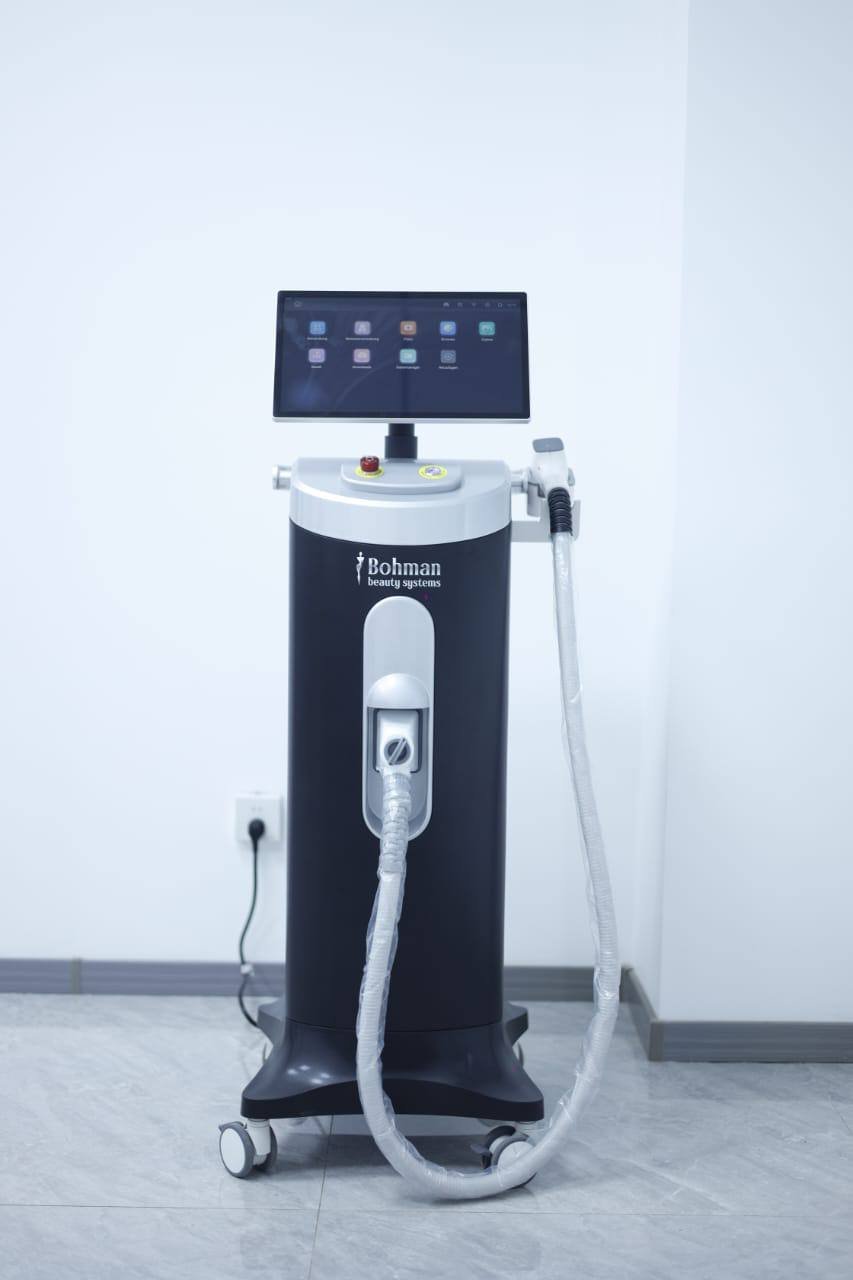
In conclusion, salons must navigate the complexities of laser and IPL technologies effectively to offer desirable hair removal services. With a clear understanding of each system’s strengths and limitations, salons can ensure that their investments align with client needs. Amidst this landscape, the DL 6000 Pro 4 diode laser stands out as a comprehensive, turnkey business investment for any serious beauty clinic or salon, offering advanced features and a user-friendly experience. Staying informed through continuous learning about laser IPL insights and market changes will empower salons to thrive in a competitive environment.
Additional Resources
- American Academy of Dermatology on Laser Hair Removal
- Learn more about the DL 6000 Pro 4 Diode Laser
Acknowledgments
We acknowledge the contributions of industry experts and the use of up-to-date resources in the preparation of this guide. Continuous dialogue and feedback from salon professionals have played a significant role in enhancing this comparative analysis.