

IPL Safety Protocols: Best Practices for Hair Removal Treatment
IPL hair removal safety is paramount for anyone seeking effective and non-invasive hair removal solutions. Intense Pulsed Light (IPL) therapy is becoming increasingly popular due to its ability to significantly reduce hair growth over time. However, to maximize efficacy and minimize any potential risks, it is crucial to adhere to established safety protocols before, during, and after treatment.
Understanding IPL Hair Removal
What is IPL Technology?
IPL technology utilizes broad-spectrum light to target hair follicles and inhibit hair growth. The light emitted from an IPL device is absorbed by the melanin in hair, converting light energy into heat, which damages the follicle and reduces its ability to regrow hair.
This technology differs from traditional laser hair removal, which uses a single wavelength of light. The broader spectrum used in IPL therapy allows for effective treatment across a wider range of skin and hair types, making it a versatile option for diverse patient needs.
Benefits and Risks of IPL Hair Removal
Like any cosmetic procedure, IPL hair removal comes with both advantages and potential risks. Understanding these can guide individuals in making informed choices about their hair removal options.
- Advantages of Using IPL:
- Non-invasive and relatively painless compared to other hair removal methods.
- Suitable for various skin types and hair colors.
- Long-lasting results with a significant reduction in hair growth after multiple sessions.
- Ability to treat larger areas of skin effectively in a shorter time.
- Potential Risks and Side Effects:
- Possible skin irritation, redness, or swelling post-treatment.
- Risk of burns if skin is not properly prepared or if incorrect settings are used.
- Hyperpigmentation or hypopigmentation in treated areas.
Preparation for IPL Hair Removal
Pre-Treatment Consultation
A pre-treatment consultation is an essential step for anyone considering IPL hair removal. This session allows both the practitioner and the client to discuss expectations, treatment goals, and any potential risks involved.
During the consultation, the practitioner should conduct a thorough skin assessment to determine suitability for IPL therapy. They will review the client’s medical history and consider factors such as skin type and hair color, ensuring that the selected treatment plan is personalized and effective.
Skin Care Routine Before Treatment
Proper skin care before treatment plays a vital role in ensuring safety and success. It is crucial to implement a skin care routine that prioritizes skin health.
- Recommended Practices for Healthy Skin:
- Hydrate the skin regularly to maintain its integrity and resilience.
- Utilize gentle cleansers to remove impurities without causing irritation.
- Consider using aloe vera or other calming agents to soothe the skin in the days leading up to the treatment.
- Avoiding Sun Exposure and Irritants:
- It is advisable to avoid sun exposure for at least 30 days before treatment to prevent adverse reactions.
- Refrain from using tanning products or self-tanners, as these can increase the risk of complications during the procedure.
IPL Hair Removal Safety Protocols
Safety Measures During Treatment
Ensuring safety during the IPL treatment is critical to achieving optimal results while minimizing risks. Various safety measures should be implemented by professionals operating the devices.
- Protective Eyewear and Skin Cooling:
- Both the practitioner and the patient must wear appropriate protective eyewear to shield their eyes from potential injuries caused by the intense light.
- Cooling techniques, such as cool gel or contact cooling devices, can help reduce discomfort and protect the skin.
- Device Calibration and Settings Adjustment:
- Practitioners should start with the lowest effective energy level, particularly in sensitive areas, and increase it gradually based on the individual’s response.
- Regular maintenance and calibration of the IPL device are essential to ensure its safety and effectiveness.
Post-Treatment Care and Follow-Up
Aftercare plays a crucial role in enhancing the results of IPL treatment and ensuring the skin recovers properly. Following the treatment, clients should follow specific guidelines provided by their practitioner.
- Aftercare Instructions to Minimize Side Effects:
- Avoid sun exposure for at least 30 days post-treatment, using a broad-spectrum sunscreen with a high SPF to protect the treated area.
- Steer clear of hot showers, saunas, and steam rooms for 24 to 48 hours, as heat can aggravate irritation.
- Importance of Follow-Up Appointments:
- Follow-up visits are vital for assessing skin response and determining the necessity of additional treatments.
- Clients should monitor for any prolonged adverse reactions and communicate these with their practitioners promptly.
Best Practices for Safe IPL Hair Removal
Choosing a Qualified Practitioner
Selecting a qualified practitioner is one of the most important factors in ensuring a safe and effective IPL hair removal experience. Clients should do their due diligence in finding an experienced professional.
- Importance of Certification and Training:
- It is essential to choose a practitioner who is certified and trained in the use of IPL devices, as this ensures adherence to safety protocols.
- Practitioners should have experience working with different skin and hair types, allowing for tailored treatment options.
- What to Look for in a Provider:
- Check for positive reviews and testimonials from previous clients, verifying the effectiveness and safety of treatments.
- Visit the practitioner’s facility to assess cleanliness, professionalism, and the overall environment.
Home Use Devices vs. Professional Treatments
With the rise of at-home IPL devices, many individuals are considering the pros and cons of DIY hair removal compared to professional treatments. Understanding the differences can guide informed choices.
- Safety Considerations for At-Home IPL Devices:
- At-home devices tend to be less powerful and may not deliver the same results as professional equipment.
- Users may lack the necessary knowledge to adjust settings based on skin type, increasing the risk of burns or ineffective treatments.
- Pros and Cons of Professional vs. DIY Approach:
- Professional treatments offer expertise, safety, and potentially more significant results due to advanced technology.
- At-home devices provide convenience and cost savings but may require more frequent treatments to achieve desired outcomes.
Conclusion
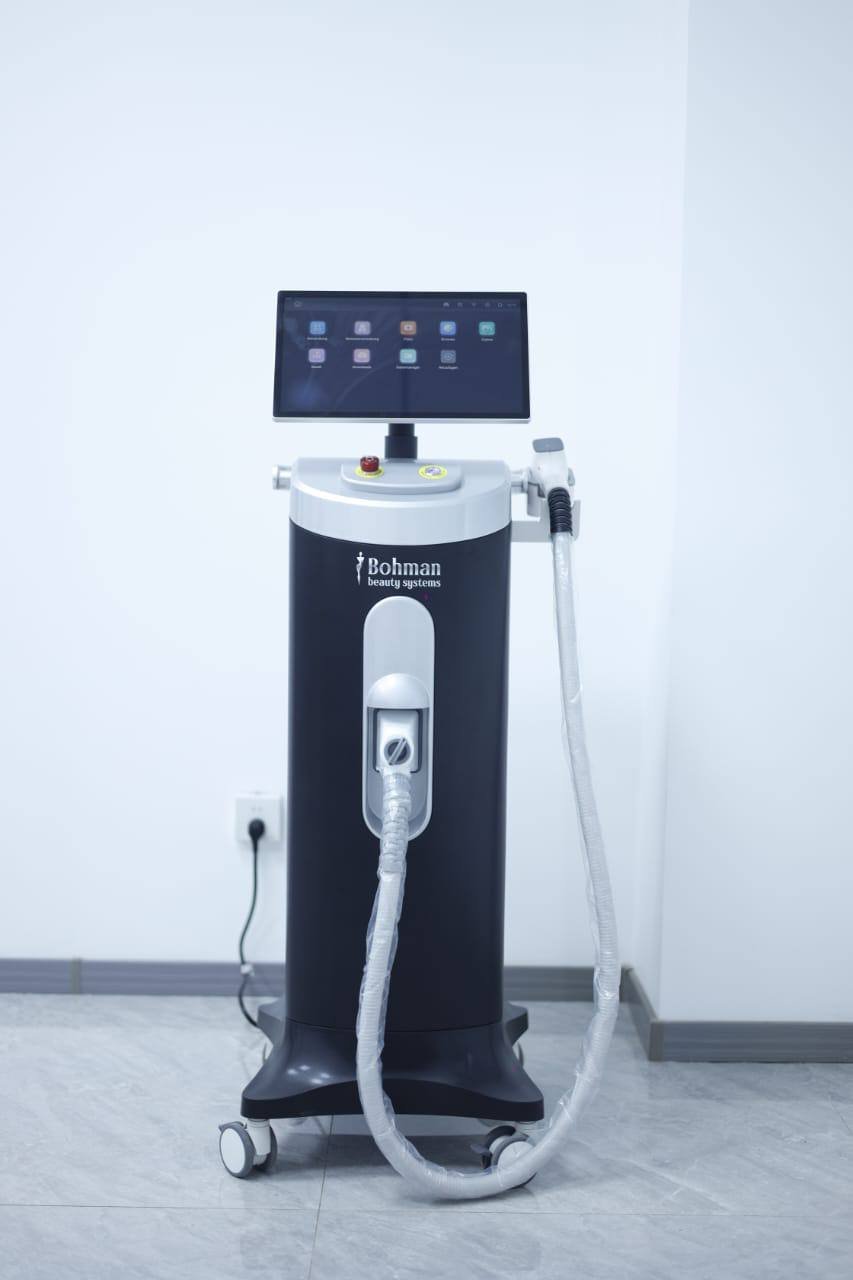
In summary, adhering to IPL hair removal safety protocols is essential for effective and safe treatment. Understanding the mechanisms of IPL technology, pre-treatment preparations, in-treatment safety measures, and post-care instructions enhances the overall experience and reduces risks. For those seeking optimal results, investing in professional treatment is advisable, especially when considering advanced devices such as the DL 6000 Pro 4 diode laser. This piece of equipment is not just a device but a comprehensive investment for any beauty clinic focused on providing clients with the safest and most effective hair removal solutions. By following these guidelines and choosing qualified professionals, individuals can enjoy the benefits of IPL therapy confidently and safely.