

Understanding How IPL Technology Works
Intense Pulsed Light (IPL) treatment mechanisms harness the power of a wide spectrum of light wavelengths to address various skin issues effectively. This sophisticated technology has become a cornerstone in modern aesthetic medicine by providing versatile solutions to common skin concerns. Unlike lasers, IPL employs multiple wavelengths, which allows it to target not only pigment cells but also vascular lesions and promotes overall skin rejuvenation. A better understanding of IPL’s technology can aid both clinicians and patients in navigating its capabilities and applications.
Principles of Light in Aesthetic Treatments
At the core of IPL technology are the principles of light and how it interacts with the skin. The spectrum of light used in IPL ranges from 400 to 1200 nanometers, enabling it to penetrate various layers of the skin and target specific chromophores such as melanin in pigmented lesions and hemoglobin in vascular conditions. This versatility allows IPL to treat several skin problems concurrently.
In aesthetic treatments, the effects of different light wavelengths on skin tissues can vary significantly:
- Melanin Absorption: Shorter wavelengths, like 400-500 nanometers, effectively target melanin, making them ideal for treating hyperpigmentation and age spots.
- Hemoglobin Absorption: Wavelengths around 500-600 nanometers are absorbed by hemoglobin, making them suitable for addressing vascular lesions such as rosacea and telangiectasias.
- Water Absorption: Longer wavelengths (700-1200 nanometers) penetrate deeper into the skin and target water content, aiding in overall skin hydration and youthfulness.
Differentiating IPL from Laser Treatments
While both IPL and laser treatments utilize light for therapeutic purposes, they differ significantly in their mechanics and applications. Lasers emit a single wavelength of light, allowing for very precise targeting of specific tissues. This can lead to more dramatic results for certain conditions but can also increase the risk of side effects. Conversely, IPL devices emit a broad range of wavelengths, similar to a camera flash, which allows them to treat multiple skin issues in one session.
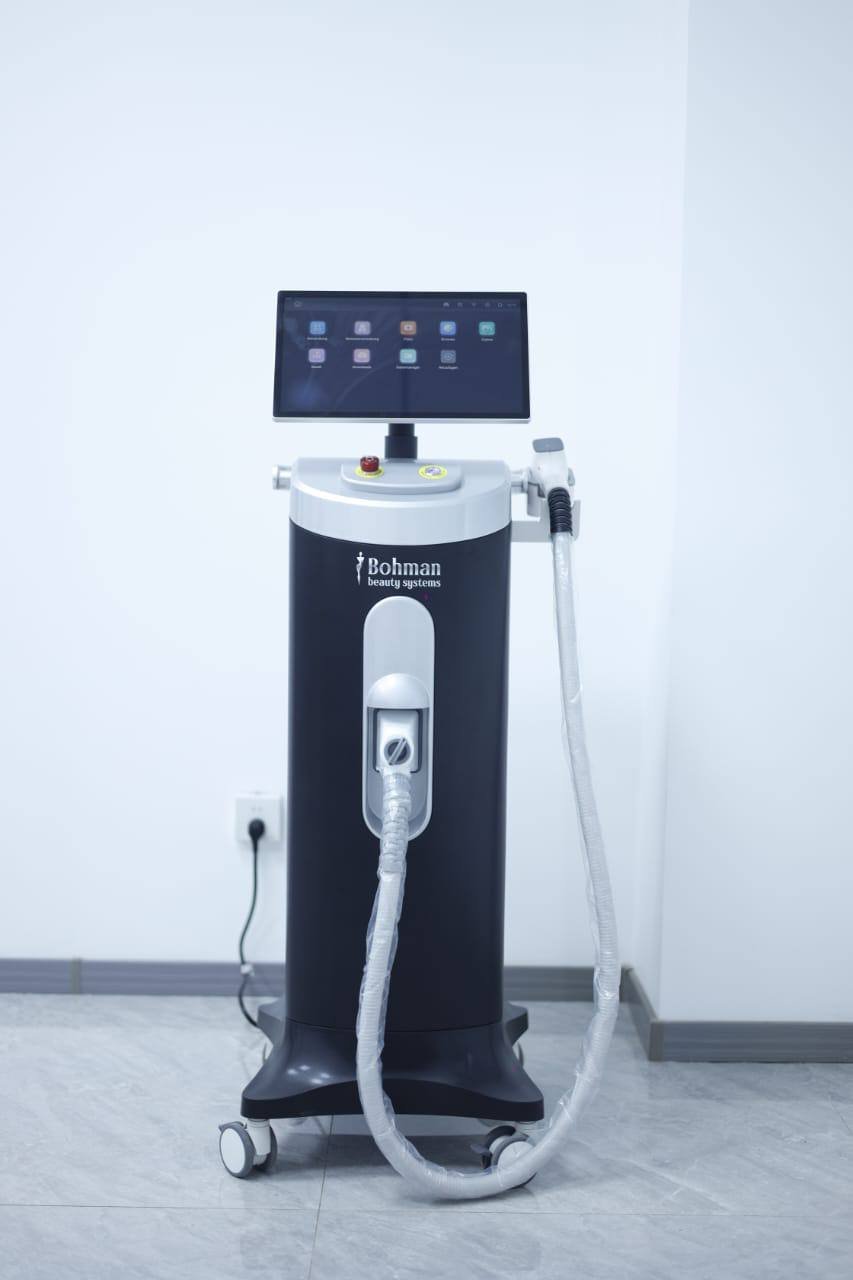
The differences highlighted above make IPL an essential option in aesthetic medicine, particularly for patients seeking comprehensive treatments with minimal downtime. Those interested in enhancing their clinic’s offerings might consider adding devices such as the DL 6000 Pro 4 Diode Laser from Bohman Beauty Systems. This advanced technology complements IPL by providing additional options for treating hair removal, skin conditions, and rejuvenation.
IPL Treatment Mechanisms
Mechanisms of Action: Targeting Chromophores
The effectiveness of IPL treatments lies in their mechanisms of action, primarily focusing on selective photothermolysis. This principle posits that specific wavelengths of light can be absorbed by targeted chromophores in the skin, converting light energy into heat, which subsequently damages or destroys unwanted tissues without affecting surrounding healthy skin structures.
By selectively targeting chromophores, IPL can effectively treat a variety of skin concerns, including:
- Vascular Lesions: Conditions like rosacea and spider veins benefit from the ability of IPL to coagulate blood vessels, leading to their eventual absorption by the body.
- Pigmented Lesions: Hyperpigmentation, age spots, and freckles are diminished as pigment absorbs the wavelengths, encouraging collagen production and revealing fresher skin beneath.
- Hair Removal: The conversion of light energy to heat destroys hair follicles, offering a long-term solution to unwanted hair growth.
Role of Pulse Duration and Fluence in Treatment Efficacy
Two critical factors that influence the success of IPL treatments are pulse duration and fluence. Pulse duration refers to the length of time the light is emitted, while fluence refers to the energy level per unit area delivered to the skin during treatment.
Optimal settings for these parameters can vary based on the patient’s skin type, the specific condition being treated, and the targeted chromophore. Shorter pulse durations are typically more effective for treating superficial vessels, while longer pulse durations are utilized for deeper targets, such as hair follicles and pigmented lesions. Proper calibration of these settings allows practitioners to maximize treatment efficacy while minimizing side effects.
Applications of IPL in Aesthetic Medicine
Skin Rejuvenation and Anti-Aging Treatments
One of the most popular uses of IPL is in skin rejuvenation, where it serves to improve overall skin tone and texture. By stimulating collagen production, IPL treatments can diminish signs of aging, such as fine lines and wrinkles. Many patients report significant improvements in skin quality following a series of IPL treatments, making it an attractive option for those looking to maintain a youthful appearance.
In addition to addressing wrinkles, IPL can effectively treat issues such as:
- Pore Size Reduction: By promoting collagen stimulation, IPL can help reduce the appearance of enlarged pores.
- Skin Texture Improvement: Uneven skin texture can be smoothed out with consistent IPL treatments.
- Suspension of Photodamage: Frequent usage can help mitigate current sun damage and prevent further photodamage.
Treatment of Vascular Lesions and Pigmented Conditions

IPL demonstrates notable efficacy in treating vascular lesions and pigmented conditions. The technology’s ability to selectively target specific chromophores allows for significant reductions in visible skin imperfections.
Rosacea and Hyperpigmentation
For patients suffering from rosacea, IPL can alleviate redness and visible vessels significantly. Studies have shown that patients experience marked improvements in their condition, leading to enhanced quality of life and confidence.
Simultaneously, pigmented lesions such as age spots can also be effectively targeted. The warming of the pigmented cells encourages a shedding effect, leading to a more even skin tone over time.
Acne and Acne Scarring
Acne treatments utilizing IPL have shown promising results, especially for severe cases on the body, like the chest and back. Clinical research has demonstrated that about 50% of patients achieve excellent outcomes, while another 35% report good results, emphasizing IPL’s versatile application in dermatological issues.
Safety, Efficacy, and Considerations
Safety Profile of IPL Treatments
Despite the numerous advantages associated with IPL, understanding its safety profile is crucial for both practitioners and patients. Generally, IPL is considered safe when performed by trained professionals. However, the technology can lead to mild side effects, including erythema (redness), swelling, and transient hyperpigmentation. The risk of adverse effects can be minimized through proper training and adherence to established protocols.
Understanding Potential Side Effects and Contraindications
Recognizing common side effects is essential in managing patient expectations. Most side effects associated with IPL treatments are mild and temporary. They typically include:
- Erythema: Redness that resembles a sunburn, usually resolves within a few hours to days.
- Swelling: Mild swelling may occur in the treated area but generally subsides quickly.
- Hyperpigmentation: Darkening of treated areas can occur, particularly in individuals with darker skin types.
Certain populations and conditions warrant special consideration or may present contraindications for IPL treatments:
- Patients with a history of keloid scarring
- Those with active infections or lesions in the treatment area
- Individuals taking medications that increase photosensitivity
Future Trends and Innovations in IPL Technology
Emerging Technologies and Techniques in IPL
The field of aesthetic medicine is constantly evolving, and IPL technology is no exception. New configurations and systems are continually being developed, refining treatment capabilities further.
Practitioners may begin exploring combinations of IPL with other tech, such as complementary diode lasers, which can enhance treatment plans by targeting various skin concerns in a single session. For example, the DL 6000 Pro 4 Diode Laser could work synergistically with IPL in treating diverse aesthetic issues like hair removal and skin rejuvenation.
Potential Advancements and Research Directions in Aesthetic Medicine
Future research directions may focus on customizing treatment protocols based on pigment type, skin type, and specific concerns. Personalized IPL treatment plans are expected to increase patient satisfaction and efficacy markedly.
Moreover, advancements in technology are likely to provide enhanced safety mechanisms within IPL devices, reducing risks and promoting successful outcomes. Continued clinical trials will further substantiate IPL’s versatility and effectiveness across varied populations.
Conclusion
The understanding of Intense Pulsed Light (IPL) technology, including its treatment mechanisms and applications, highlights its essential role in modern aesthetic medicine. As a versatile tool for addressing a range of skin conditions effectively, IPL showcases its ability to heal and rejuvenate skin while ensuring minimal discomfort. With continuous advancements and an emphasis on safety in its use, IPL remains a pivotal choice for patients seeking cosmetic improvement.
Practitioners interested in enhancing their aesthetic offerings should consider integrating devices like the DL 6000 Pro 4 Diode Laser. Combining IPL with other technologies can offer comprehensive solutions tailored to meet each patient’s unique needs, ensuring enhanced patient satisfaction and optimal aesthetic outcomes.