

Introduction
Understanding IPL treatment frequency is essential for anyone considering Intense Pulsed Light (IPL) therapy. This technology has become popular for its versatility in addressing various skin concerns, from hair removal to skin rejuvenation and pigmentation issues. To maximize the benefits of IPL, it’s crucial to know how often treatments should be administered based on individual needs and skin responses. The following sections will delve deeper into the workings of IPL, factors influencing treatment frequency, recommended schedules, and how to tailor your approach for optimal results.
Understanding IPL Treatments
What is IPL and How Does It Work?
Intense Pulsed Light (IPL) therapy utilizes a broad spectrum of light wavelengths to treat a variety of skin conditions. Unlike laser therapy, which uses a single wavelength, IPL targets multiple skin layers simultaneously. When the light is applied to the skin, it penetrates into the dermis and is absorbed by the chromophores, which may include melanin (in cases of pigmentation) and hemoglobin (in cases of vascular lesions).
Some common conditions treated with IPL include:
- Hair removal
- Sun damage and age spots
- Acne and acne scarring
- Rosacea and other vascular lesions
- Skin rejuvenation for overall texture improvement
Benefits and Risks of IPL Treatments
IPL technology provides several advantages over other skin treatment options. It is non-invasive, requires little to no downtime, and can effectively address multiple skin concerns in a single session. Moreover, treatments are generally quick, making them convenient for those with busy schedules.
However, potential side effects should be noted. Some individuals may experience redness, swelling, or minor discomfort immediately following the treatment. It is also essential to consider individual skin types and pre-existing conditions, as they can influence how skin responds to IPL. Consulting with a qualified practitioner can help mitigate risks and customize treatments appropriately.
Factors Influencing IPL Treatment Frequency
Skin Type and Condition
The effectiveness and frequency of IPL treatments largely depend on individual skin types and specific conditions being addressed. Different skin types (oily, dry, sensitive, or combination) may react differently to IPL light. For example, individuals with darker skin may require more cautious settings to avoid pigmentation issues, while those with lighter skin might see quicker results.
Additionally, the severity of the condition—such as the depth of pigmentation or amount of hair to be removed—can dictate treatment frequency. A skin analysis can provide valuable insights into tailoring the frequency and intensity of treatments.
Personal Goals and Aesthetic Needs
Setting realistic expectations is integral when embarking on IPL treatments. Personal aesthetic goals can vary widely; whether aiming to remove unwanted hair or improve overall skin texture, the desired results will significantly influence treatment frequency. For individuals seeking quick results, they may gravitate toward more frequent sessions initially, while others may prefer a gradual approach. Discussing these goals with a practitioner can yield a comprehensive treatment plan that aligns with personal wishes.
Recommended IPL Treatment Schedules
Initial Treatment Phase
For initial treatments, the general recommendation is to conduct sessions every three to four weeks. This spacing allows adequate time for the skin to heal and encourages natural regeneration, essential for effective resurfacing. Most individuals start noticing significant improvements after three to six sessions, although results can take longer depending on factors such as hair coarseness or skin sensitivity.
For hair removal, starting with treatments every two weeks for the first 2–3 months aligns with hair growth cycles, ultimately leading to optimal outcomes after 8–12 sessions. It is important to keep in mind that the skin’s natural regeneration often occurs over a 30-day cycle; therefore, scheduling treatments more than four weeks apart may return skin imperfections, quieting the treatment’s effectiveness.
Maintenance Treatments
Following the initial series of treatments, maintenance sessions are crucial for sustaining results. An effective protocol typically includes one to two IPL touch-up treatments per year, with quarterly sessions recommended for those with more significant concerns. Regular maintenance helps uphold skin clarity and address any emerging issues, allowing for ongoing improvement.
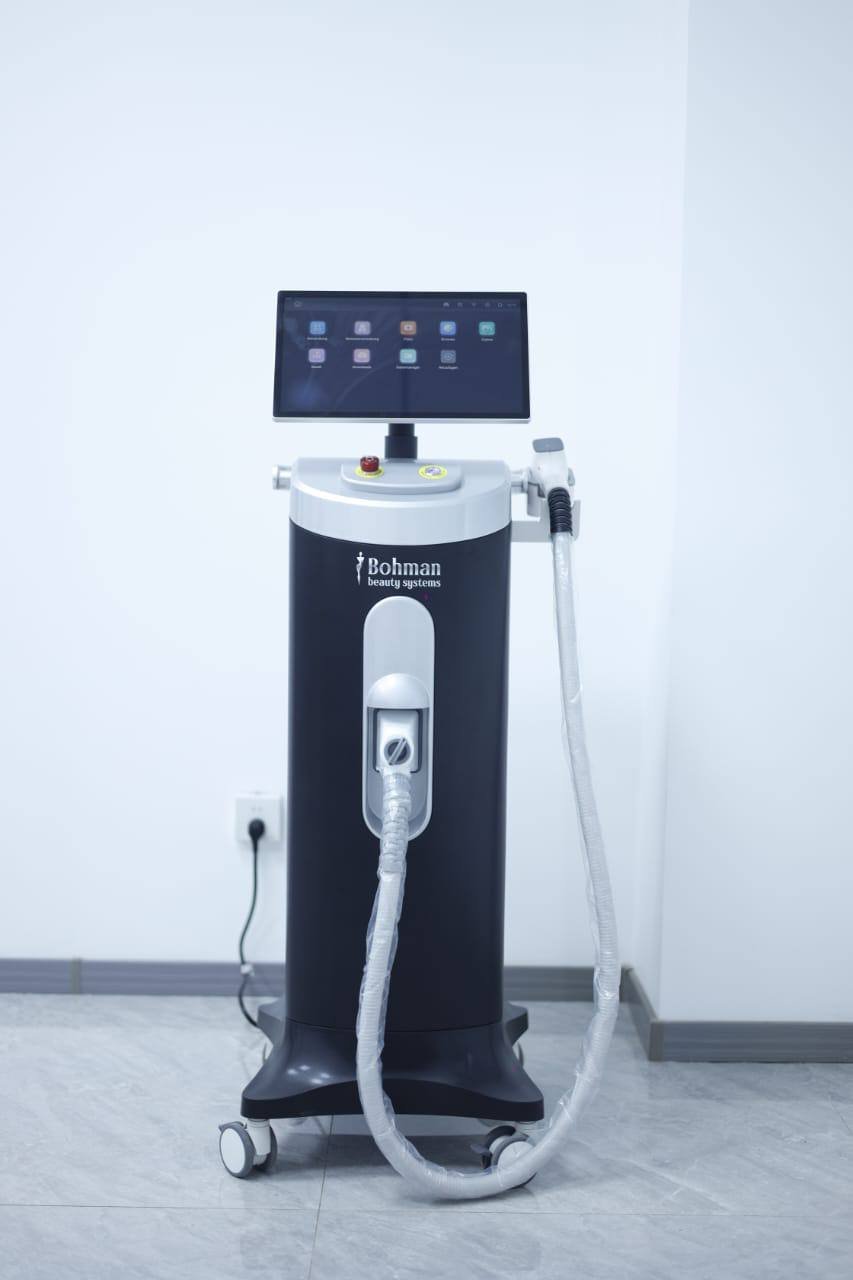
Many practitioners also recommend incorporating innovative equipment, such as the DL 6000 Pro 4 diode laser from Bohman Beauty Systems. This advanced device integrates seamlessly into IPL treatments, enhancing efficiency and ensuring superior results across various skin types and conditions.
Customizing Your IPL Treatment Frequency
Consultation with a Professional
Before committing to a treatment schedule, consulting with a qualified practitioner is recommended. They will assess your skin’s needs and design a personalized treatment plan that accurately reflects your goals. Key questions to ask during your consultation may include:
- What is the recommended frequency based on my skin type?
- Are there any potential risks specific to my skin condition?
- How will we measure treatment effectiveness?
By addressing these points upfront, you can establish a solid foundation for your IPL journey, ensuring tailored treatments to fit your unique circumstances.
Adjusting Your Schedule Over Time
As treatments progress, you may notice changes in your skin’s appearance and how it responds to IPL therapy. Signs that could warrant a change in your treatment frequency may include whether you are experiencing diminishing returns or new skin concerns arising. Keeping track of results and any side effects will offer insights into necessary adjustments in your treatment schedule.
Final Thoughts on IPL Treatment Frequency
Staying Informed and Educated
Education is vital in navigating IPL treatments successfully. Numerous resources are available for individuals seeking to deepen their understanding of IPL technology and treatment schedules. Engaging with credible websites and literature can keep you informed of advancements, techniques, and best practices in the field.
Concluding Recommendations
Ultimately, your journey with IPL should be characterized by informed decisions and professional guidance. Understanding the nuances that influence IPL treatment frequency is vital for achieving not just immediate aesthetic goals, but also long-term skin health. Regular assessments with your practitioner will ensure you remain on track, addressing any new skin concerns promptly. Prioritizing these evaluations not only enhances results but also optimizes your overall skin health.
In conclusion, successful IPL treatment frequency relies on numerous factors, including skin type, treatment goals, and professional guidance. By marrying your specific needs with expert recommendations, you can navigate your IPL experience toward optimal results and radiant skin health.
References
1. Big News Network. (2023). At-home IPL hair removal safety tips and treatment guide. Retrieved from bignewsnetwork.com.
2. Pure Medical Spa. (2023). Skin maintenance with IPL treatments. Retrieved from puremedicalspa.us.
3. Key Laser Institute. (2023). Intense pulsed light (IPL) treatments: What you need to know. Retrieved from keylaserinstitute.com.
4. Skin Artistry Clinic. (2023). IPL treatments: How many, how often, and why? Retrieved from skinartistryclinic.com.