

Understanding Contraindications: When Not to Use Laser or IPL Treatments
When considering aesthetic enhancements, understanding laser treatment limits is crucial for ensuring both safety and effectiveness. Laser and Intense Pulsed Light (IPL) treatments are increasingly popular for various cosmetic procedures, but not everyone is suitable for these therapies. Recognizing contraindications can help potential patients avoid adverse effects and achieve their desired outcomes.
The Basics of Laser and IPL Treatments
Overview of Technologies
Laser treatments utilize focused light beams to target specific areas of the skin. Various types of lasers are available, each designed to treat different skin concerns effectively by penetrating the skin at varying depths. The precision of laser technology allows practitioners to selectively destroy unwanted pigments, hair follicles, or blood vessels, making it an effective tool in dermatology. Common laser types include carbon dioxide (CO2) lasers for resurfacing and Nd:YAG lasers for hair removal and vascular lesions.
Intense Pulsed Light, or IPL, employs a range of wavelengths to treat skin issues and is less focused than lasers. Rather than a single wavelength, IPL emits broad-spectrum light that can treat various skin conditions like sun damage, pigmentation, and hair reduction. While both treatments have compelling success rates, their mechanisms differ significantly, and thus, so do the contraindications associated with their use.
Common Uses in Aesthetic and Medical Fields
Both laser and IPL technologies are versatile, boasting numerous applications in aesthetic and medical dermatology. The most common uses include:
- Skin Rejuvenation: They improve skin texture and tone, reducing signs of aging.
- Hair Removal: Effective for reducing unwanted hair growth on various body parts.
- Treatment of Vascular Lesions: Can effectively treat conditions like rosacea and spider veins.
These benefits make laser and IPL treatments appealing, but understanding when they are appropriate is imperative to avoid complications.
Understanding Contraindications
Definition and Importance
Contraindications refer to specific situations or conditions where a treatment should not be administered due to the potential for adverse effects. Understanding these contraindications is essential for patient safety, ensuring that individuals do not undergo procedures that could lead to harmful outcomes or diminished effectiveness.
Categories of Contraindications
Contraindications can generally be classified into two categories:
- Absolute Contraindications: Conditions where treatments should never be performed, such as pregnancy or active skin infections.
- Relative Contraindications: Situations where treatment could be performed but require caution, such as skin that is currently tanned or patients taking certain medications.
Medical Conditions and Contraindications
Skin Conditions
Active skin conditions can pose significant risks during laser or IPL treatments. These include:
- Active Infections: Bacterial, viral (e.g., herpes simplex), or fungal infections can exacerbate during treatment, leading to further complications.
- Inflammatory Skin Disorders: Conditions such as eczema, psoriasis, and dermatitis may worsen due to the thermal effects of the treatments.
Additionally, patients with a history of skin cancer should approach these treatments with caution, as the risks of recurrence may be heightened. Ensuring the skin is healthy and free from irritations is essential before pursuing cosmetic procedures.
Other Medical Conditions

Several medical conditions can complicate the safety of laser and IPL treatments. These include:
- Autoimmune Diseases: Conditions such as lupus and porphyria increase sensitivity to light and may exacerbate symptoms.
- Heart Disorders: Patients with heart conditions, particularly those with pacemakers, should discuss their health history comprehensively before treatment.
It is vital to evaluate each individual’s medical background to determine whether they are suitable candidates for laser or IPL procedures.
Medications and Lifestyle Factors Affecting Treatment
Medications That Impact Treatment
Certain medications can significantly increase the risk of adverse reactions during laser or IPL treatments. Notable examples include:
- Photosensitizing Medications: Drugs like tetracyclines and sulfonamides can heighten sensitivity to light, leading to complications.
- Blood Thinners: These medications may increase bleeding risks during treatment, compromising safety.
Patients are advised to disclose all medications, including herbal supplements like St. John’s Wort, which may also affect treatment outcomes.
Lifestyle Factors
Several lifestyle factors should be considered before scheduling these treatments. Two significant factors include:
- Tanning and Sun Exposure: Recent sun exposure or tanning can increase melanin in the skin, raising the risk of burns and pigmentation changes. Waiting at least four weeks post-sun exposure is recommended.
- Smoking and Alcohol Consumption: These habits can hinder the body’s healing ability and, consequently, may result in less effective treatment outcomes.
Patients should strive to maintain a health-conscious lifestyle leading up to their treatments to ensure optimal results.
Safety and Consultation Protocols
Pre-Treatment Assessments
A comprehensive pre-treatment assessment is vital for the safety and success of laser and IPL treatments. Practitioners should conduct a thorough review of the patient’s medical history, focusing on past skin conditions, treatments, and any ongoing issues. Additionally, skin type and sensitivity testing can help gauge how an individual will respond to the treatment.
The Importance of Professional Consultation
Finding a qualified practitioner is crucial in navigating the complexities of laser and IPL treatments. Professionals should be well-versed in recognizing contraindications and conducting thorough evaluations. Understanding the risks associated with a procedure and establishing a tailored treatment plan allows for informed decision-making, aligning patient expectations with achievable outcomes.
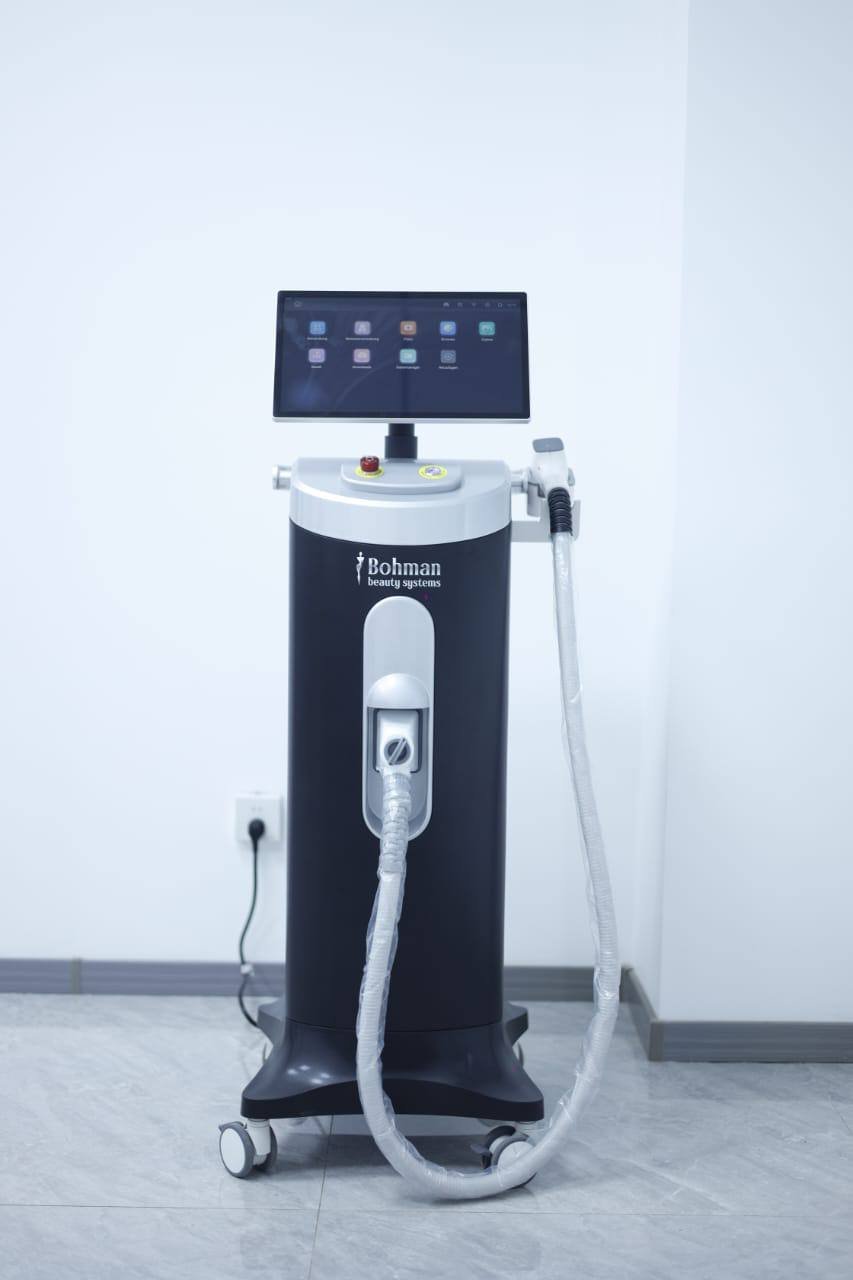
For clinics looking to enhance their service offerings, integrating advanced equipment like the DL 6000 Pro 4 Diode Laser from Bohman Beauty Systems can empower professionals to achieve superior results for their clients. This state-of-the-art device enhances treatment efficiency and safety, positioning clinics for success in delivering high-quality therapies.
Conclusion
A thorough understanding of laser treatment limits and appropriate contraindications is essential for anyone considering IPL or laser therapies. Identifying potential risks and discussing these thoroughly with a qualified practitioner will help ensure safe and effective treatment outcomes. As technology evolves, utilizing advanced devices like the DL 6000 Pro 4 Diode Laser empowers clinics to provide exceptional results while prioritizing patient safety. Ultimately, informed decision-making is the key to navigating the complexities of cosmetic procedures.
For further reading and guidance, reputable sources such as the Australian Radiation Protection and Nuclear Safety Agency provide valuable insights into the principles of laser and IPL treatments.