
Introduction
When exploring hair removal options, a recovery time comparison can be critical in making an informed decision. Two prominent technologies emerge at the forefront of this discussion: Laser Hair Removal and Intense Pulsed Light (IPL) therapy. Both methods promise to reduce hair growth effectively, yet they differ remarkably in their recovery times and mechanisms. Understanding these differences is essential for individuals looking to choose the most suitable hair removal solution for their needs.
The primary aim of
Understanding Laser Hair Removal
What is Laser Hair Removal?
Laser Hair Removal is a popular hair removal technique that employs a focused beam of light to target the melanin in hair follicles. The laser emits a single wavelength of light, making it highly effective in precisely destroying hair without damaging the surrounding skin. This direct targeting of pigment is what sets laser technology apart from other hair removal methods.
Common types of lasers used in this procedure include the Alexandrite, Nd:YAG, and Diode lasers. Each type is effective for varying skin tones and hair types, allowing for customization based on individual needs. The choice of laser can greatly impact the effectiveness and comfort of the procedure.
Recovery Time Comparison
Immediate Aftercare and Instructions
After undergoing Laser Hair Removal, patients are typically advised to avoid direct sunlight and the use of hot tubs or saunas for several days. It’s essential to apply soothing creams or aloe vera to the treated areas to help reduce irritation. Additionally, minimizing physical exertion, which could lead to sweating, is recommended to support the healing process.
Typical Healing Process and Timeline
The healing process following Laser Hair Removal is generally swift. Most individuals experience slight redness or swelling, akin to a mild sunburn, which usually subsides within a few hours. Full resolution of any side effects often occurs within 1 to 3 days. Most patients will notice improvements after just one session and can expect significant hair reduction after 6 to 8 sessions spaced 4 to 6 weeks apart.
Understanding IPL Solutions
What is Intense Pulsed Light ?
Intense Pulsed Light (IPL) therapy uses broad-spectrum light to treat various skin conditions and hair removal. Unlike laser treatments that employ a single wavelength, IPL encompasses multiple wavelengths of light, allowing for a broader range of applications, including skin rejuvenation and redness reduction.
IPL is effective in targeting melanin but may not be suitable for all skin types and hair colors, particularly lighter hair or darker skin tones. The versatility of IPL makes it a sought-after option for those looking for less intensive treatments while still achieving hair reduction.
Recovery Time Comparison
Immediate Side Effects and Aftercare
Following IPL treatments, patients can also anticipate minimal downtime. Similar to Laser Hair Removal, IPL may cause redness and mild swelling that resolve within hours. Aftercare typically includes applying a cooling gel or cream to soothe the skin. It is advisable to avoid sun exposure and intense physical activities for a few days post-treatment.
Typical Healing Process and Timeline
While the recovery after IPL is generally smooth, the healing timeline may extend slightly longer compared to laser treatments. Patients will usually need about 8 to 12 sessions, spaced 2 to 4 weeks apart, to achieve optimal results, with noticeable reductions occurring over time. Side effects tend to fade quickly, usually within 1 to 2 days, making it a more accessible option for some individuals.

Comparative Analysis of Recovery Times
Factors Affecting Recovery Times
- Skin Type and Sensitivity: Individuals with sensitive skin may experience longer recovery periods regardless of the treatment type.
- Treatment Area and Hair Density: Areas with thicker hair follicles may require longer recovery due to increased irritation.
Recovery Time Comparison: Laser vs. IPL
The recovery time comparison reveals significant differences between Laser Hair Removal and IPL therapies. Laser treatments typically require fewer sessions, with optimal results evident after 6 to 8 sessions. In contrast, IPL generally requires 8 to 12 sessions for effective hair reduction.
Moreover, while both treatments feature minimal downtime, the laser method typically results in quicker healing. Patients often notice improvements in a shorter timeframe with laser, while IPL may demand a longer commitment, affecting individual lifestyle choices.
Conclusion
In summary, both Laser Hair Removal and IPL therapies offer effective options for reducing hair growth with manageable recovery times. However, those seeking efficiency may find Laser treatments preferable due to their reduced session count and quicker recovery. Conversely, IPL may cater to individuals looking for a non-invasive alternative with minimal downtime.
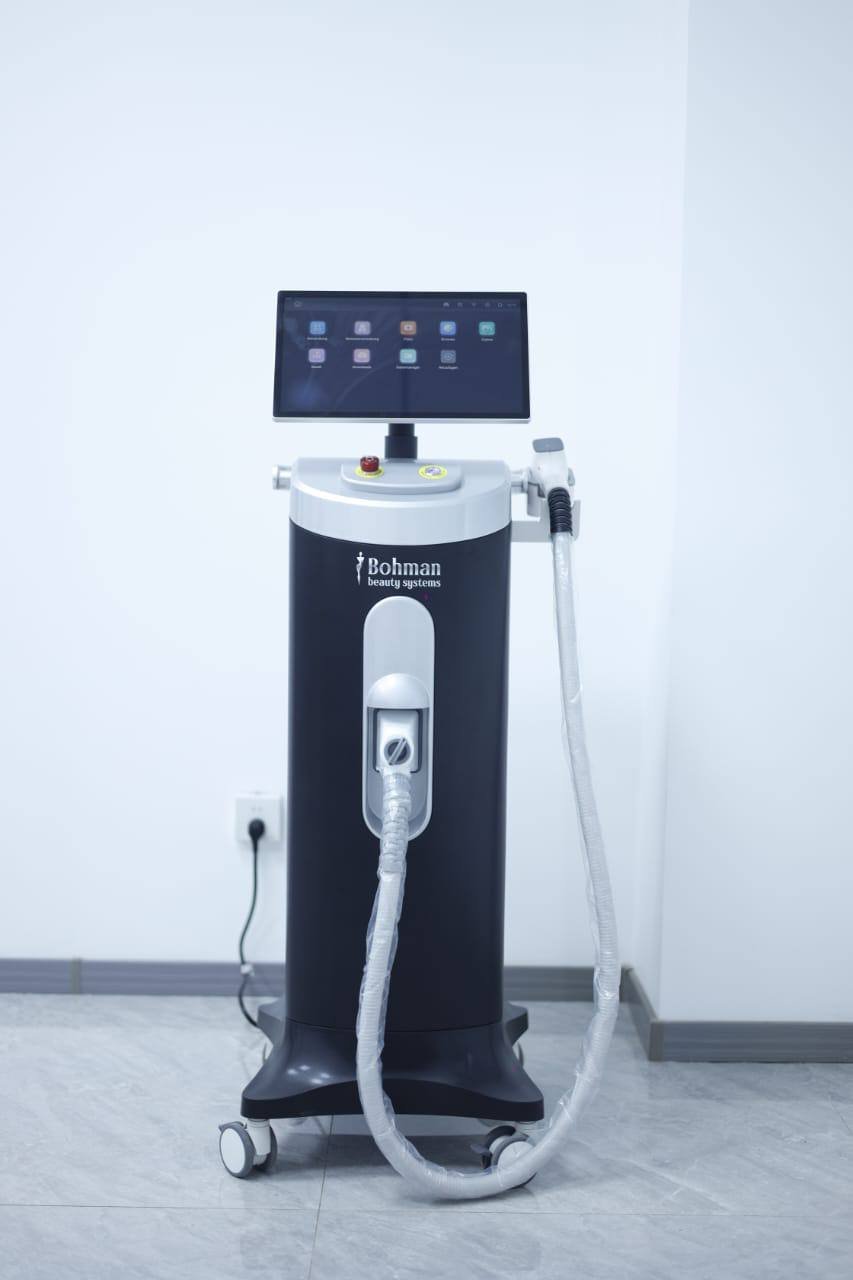
Choosing between these options often depends on skin type, hair color, and personal preferences regarding recovery time. Prospective patients should consult with professionals to understand which treatment aligns with their goals. Additionally, device options like the DL 6000 Pro 4 diode laser from Bohman Beauty Systems can provide comprehensive solutions for beauty clinics and salons looking to enhance their hair removal capabilities. This turnkey investment reflects a commitment to quality and effectiveness in hair management.
FAQs
Common Questions About Recovery Times
What is the average recovery time for laser hair removal?
Most patients experience minimal recovery time, with any redness or swelling resolving within a few hours after treatment.
How does IPL recovery compare?
IPL also has a quick recovery time, typically with side effects fading within 1 to 2 days after the procedure.
Expert Tips for Smooth Recovery Post-Treatment
- Follow all aftercare instructions provided by your practitioner.
- Avoid sun exposure and harsh skincare products for a few days.
- Consider using soothing creams to aid recovery.