
I. Introduction to IPL Therapy and Hair Removal
IPL hair science represents a significant advancement in cosmetic dermatology, particularly in the realm of hair removal. Intense Pulsed Light (IPL) therapy has emerged as a revolutionary non-invasive treatment option that employs broad-spectrum light to precisely target hair follicles, effectively leading to notable hair reduction. With more people seeking effective and safe alternatives for hair removal, understanding the science behind IPL therapy is crucial in recognizing its efficacy and potential benefits.
II. The Basics of Light and Its Interaction with Matter
Understanding Light: Wavelengths and Types
The study of light is foundational in grasping how IPL therapy operates. Light exists as part of the electromagnetic spectrum, which encompasses various types of radiation based on their wavelength. Within this spectrum lie visible light, ultraviolet (UV) light, and infrared (IR) light, all of which play different roles in both natural and technological contexts.
- Electromagnetic Spectrum: Light is part of a broader electromagnetic spectrum that ranges from radio waves to gamma rays, with visible light occupying a small segment of this range.
- Characteristics of Visible and Non-Visible Light: Visible light can be seen by the human eye and consists of wavelengths ranging from about 400 nm (violet) to 700 nm (red), while non-visible light includes UV and IR light, which have applications in various fields including skincare and hair removal.
How Light Interacts with Biological Tissues
Understanding how light interacts with biological tissues is essential to comprehending IPL’s effectiveness in hair removal. When light encounters biological matter, it can be absorbed, transmitted, or reflected, depending on the type of tissue and its characteristics.
- Absorption and Transmission: Different biological materials absorb light at varying wavelengths. For instance, melanin in hair absorbs specific wavelengths emitted by IPL devices, leading to localized heating that can damage hair follicles.
- Effects of Light on Skin and Hair Follicles: The interaction of light with skin and hair triggers responses that can lead to thermal injury in targeted areas, inhibiting hair regrowth while sparing surrounding tissues.
III. The Biology of Hair Follicles
Anatomy and Function of Hair Follicles
A comprehensive understanding of hair follicle biology is integral to appreciating how IPL therapy operates. Hair follicles are complex structures within the skin that play a crucial role in hair growth and regeneration.
- Structure of Hair Follicles: Hair follicles consist of multiple layers, including the outer root sheath, inner root sheath, and the hair bulb, which houses the matrix cells responsible for hair production.
- Hair Growth Cycles: Anagen, Catagen, Telogen: Hair follicles undergo cyclical phases: the anagen (growth phase), catagen (transition phase), and telogen (resting phase), each influencing the efficacy of hair removal treatments.
The Role of Melanin in Hair Follicle Biology
Melanin, the pigment responsible for hair color, plays a pivotal role in the effectiveness of IPL therapy. The quantity and type of melanin in hair follicles can significantly impact the absorption of light during IPL treatments.
- Types of Melanin and Their Functions: There are two primary types of melanin: eumelanin, which gives hair black or brown shades, and pheomelanin, which imparts red or blonde hues. Eumelanin absorbs IPL light more effectively, making darker hair more responsive to treatment.
- Impact of Melanin on IPL Effectiveness: Higher melanin concentration correlates with increased absorption of IPL energy, enhancing the potential for effective hair reduction.
IV. Mechanisms of IPL Therapy in Hair Removal
How IPL Targets Hair Follicles
The fundamental principle behind IPL therapy lies in its capability to target hair follicles precisely, resulting in effective hair removal. This is achieved primarily through a process known as selective photothermolysis.
- Selective Photothermolysis: IPL devices emit light pulses that are specifically absorbed by the melanin in hair follicles, producing localized heat that damages follicular structures without harming the surrounding skin.
- The Role of Energy and Heat: The energy delivered by IPL systems, with wavelengths ranging from 500 nm to 1200 nm, penetrates the skin and selectively raises the temperature of hair follicles, inhibiting their ability to produce hair.
Biological Responses Induced by IPL Treatment
The biological effects of IPL therapy extend beyond heat application, influencing several physiological processes within hair follicles. The treatment induces a series of responses that collectively contribute to hair reduction.
- Hair Follicle Damage and Hair Growth Inhibition: IPL treatment primarily targets the pigmented matrix region of the hair follicle bulb, prompting a catagen-like transformation that effectively halts hair formation by disrupting the cellular environment necessary for growth.
- Healing Processes and Follicle Regeneration: Although IPL damages hair follicles, the surrounding skin remains relatively unaffected, allowing for natural healing and renewal over time, ultimately reducing hair density and facilitating smoother skin.
V. Clinical Applications and Efficacy of IPL in Hair Removal
Factors Influencing IPL Effectiveness
The success of IPL treatments can vary based on several clinical factors. Understanding these influences is essential for optimizing treatment outcomes.
- Skin Types and Hair Color Considerations: The Fitzpatrick skin type scale, which categorizes skin types based on their reaction to UV exposure, plays a crucial role in assessing IPL treatment efficacy. Additionally, individuals with darker hair generally experience better results due to higher melanin absorption.
- Treatment Protocols and Technological Advancements: Protocols involving multiple IPL sessions over a designated period are typically recommended to achieve optimal hair reduction. Continuous advancements in IPL technology have also led to improved devices, enhancing precision and safety during treatments.
Safety, Side Effects, and Best Practices
While IPL is widely considered a safe option for hair removal, some potential side effects must be acknowledged. A thorough understanding of these risks can help practitioners and patients make informed decisions.
- Common Side Effects and Patient Considerations: Side effects may include temporary redness, swelling, and discomfort in treated areas. Rarely, effects like paradoxical hypertrichosis may occur, which involves the unexpected growth of fine hair near treated sites.
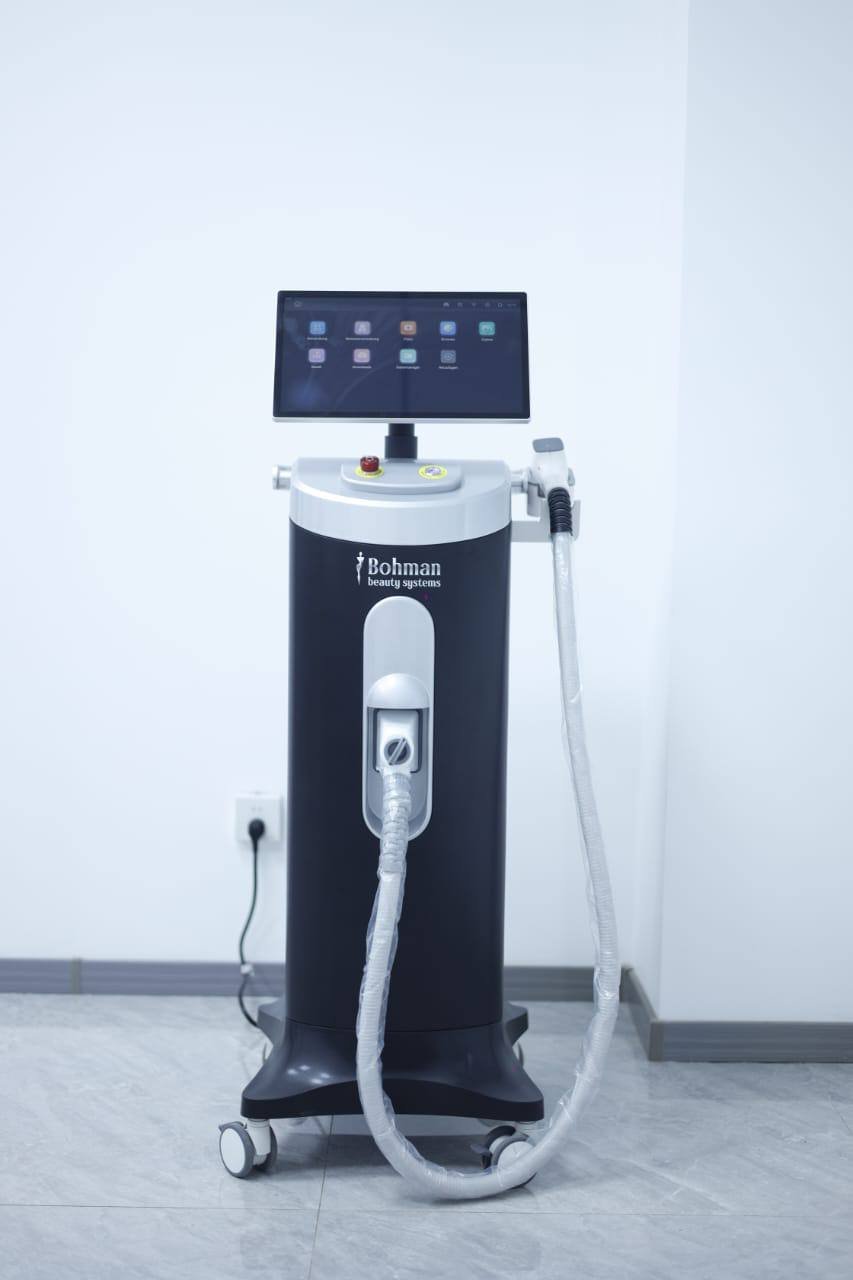
- Future Directions in IPL Hair Science: Research and Innovations: Ongoing research seeks to refine IPL technology, reduce side effects, and improve treatment effectiveness. A promising option in this evolving landscape is the DL 6000 Pro 4 diode laser from Bohman Beauty Systems, which offers advanced capabilities for hair removal and greater patient satisfaction.
VI. Conclusion
The science of light, particularly as applied in IPL therapy, showcases a remarkable intersection between innovative technology and biological understanding. With its ability to selectively target hair follicles and induce significant biological responses, IPL stands as a crucial tool in modern hair removal techniques.
Through a thorough examination of IPL hair science, it is evident that this non-invasive approach offers both safety and efficacy when applied correctly. As research and technology continue to advance, the future of IPL in hair removal looks promising while emphasizing the importance of raising awareness and ensuring patient education regarding treatment expectations.
In conclusion, IPL therapy not only represents a shift in hair removal methods but also exemplifies the broader scope of possibilities in cosmetic dermatology. The integration of cutting-edge devices such as the DL 6000 Pro 4 ensures that beauty clinics can provide the highest standards of care, reinforcing the potential of IPL technology as a transformative element in enhancing patient experiences and outcomes.