

IPL Technology and Skin Types: Finding the Right Fit for Your Needs
In the realm of aesthetic treatment, understanding the intricacies of ipl skin compatibility is foundational for achieving optimal results. Intense Pulsed Light (IPL) technology has emerged as a versatile solution for a variety of dermatological concerns, including hair removal, skin rejuvenation, and treatment of vascular lesions. Although the benefits of IPL treatments are broadly recognized, the effectiveness and safety of these procedures significantly depend on individual skin types. In
Understanding IPL Technology
What is IPL Technology?
Intense Pulsed Light (IPL) technology is a form of light therapy extensively used in dermatology and aesthetic medicine. Unlike laser treatments that utilize a single wavelength of light, IPL emits multiple wavelengths, allowing it to treat various skin issues in one session. This capability makes IPL a multifaceted tool ideal for hair removal, acne treatment, pigmentation issues, and vascular lesions.
How IPL Works?
The mechanism of action of IPL involves the dissemination of light energy across multiple wavelengths. When directed at the skin, the light is absorbed by specific chromophores in the tissue, such as melanin in hair follicles and hemoglobin in blood vessels. This process leads to thermal damage in targeted areas, stimulating the body’s natural healing response while promoting skin rejuvenation. Patients often experience an improvement in skin tone and texture following treatment, as IPL encourages collagen production and cellular turnover.
The key benefits of IPL treatments include:
- Non-invasive procedure with minimal downtime.
- Effective targeting of pigmented and vascular lesions.
- Reduction in hair growth with repeated sessions.
- Versatile applications for skin rejuvenation.
Different Skin Types
Classification of Skin Types
The Fitzpatrick Skin Type Scale serves as an essential tool for assessing an individual’s skin type. It categorizes skin tones based on their response to sun exposure, helping practitioners determine the best cosmetic treatments. The scale is divided into six categories:
- Type I: Very fair skin that always burns and never tans.
- Type II: Fair skin that usually burns and tans minimally.
- Type III: Light to medium skin that sometimes burns and tans gradually.
- Type IV: Moderate brown skin that tans easily and rarely burns.
- Type V: Dark brown skin that tans very easily and rarely burns.
- Type VI: Darkest brown skin that tans very easily and never burns.
Importance of Skin Type Compatibility
Understanding skin type compatibility is crucial for the success of IPL treatments. The distinct characteristics of each skin type can significantly affect treatment outcomes. For fairer skin types (Types I–III), IPL treatments may yield quicker and more effective results due to the contrast between the light skin and dark hair or pigmented lesions. However, for skin types with higher melanin content (Types IV–VI), there is a greater risk of side effects, such as burns, hyperpigmentation, or adverse reactions.
Utilizing IPL on the wrong skin type can lead to:
- Severe burns or blistering.
- Hyperpigmentation or post-inflammatory changes.
- Suboptimal results and dissatisfaction with the procedure.
IPL Skin Compatibility
Ideal Skin Characteristics for IPL
Those with skin types I–III are considered ideal candidates for IPL treatments. These individuals often experience effective hair removal and skin rejuvenation due to the following factors:
- High contrast between the skin and hair color enhances light absorption by hair follicles.
- Lower melanin levels reduce the risk of thermal damage to surrounding skin.
- Increased safety and efficacy yield favorable outcomes.
Patients with these skin types typically see a substantial reduction in hair growth after a few sessions, along with improved skin texture and tone.
Skin Types to Approach with Caution
While IPL can be employed on Type IV skin, practitioners must exercise caution. The increased melanin content can absorb more light energy, necessitating careful adjustments in the IPL settings to avoid adverse reactions. Skilled professionals can mitigate these risks through:

- Lower energy settings to minimize heat absorption.
- Segmenting treatment areas for better control.
Conversely, IPL is generally not recommended for skin types V and VI. The inherent risks include extensive burns, blisters, or permanent skin discoloration. Individuals with these skin types should consider alternative treatments, such as Nd:YAG laser therapy, which specifically addresses darker skin tones without significant risk.
Choosing the Right IPL System
Considerations for Selecting an IPL Device
When selecting an IPL device, several factors must be taken into account to ensure optimal performance and safety:
- Filter options for targeting specific wavelengths.
- Pulse width settings to adjust the duration of light delivery.
- Cooling mechanisms to protect the skin during treatment.
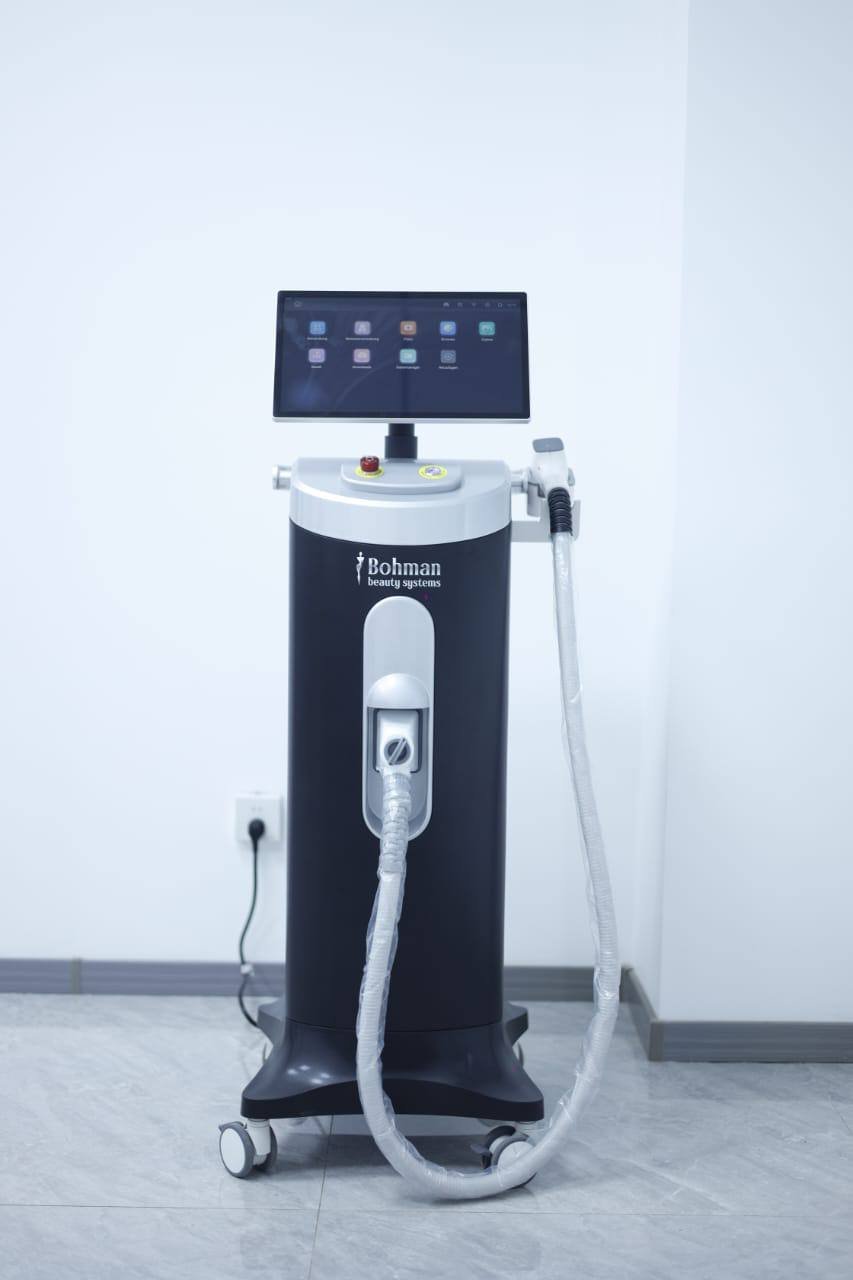
Moreover, consulting a qualified professional is essential to determine the most suitable system based on individual skin characteristics and treatment goals. They can recommend advanced devices, such as the DL 6000 Pro 4 Diode Laser from Bohman Beauty Systems, a turnkey business investment perfect for any serious beauty clinic or salon.
At-Home IPL Devices vs. Professional Treatments
The emergence of at-home IPL devices has made skin treatments more accessible. However, these devices come with pros and cons. At-home devices are generally more convenient and cost-effective, allowing users to manage treatments at their own pace. Nevertheless, they may lack the power and precision of professional treatments:
- At-home devices may deliver lower energy levels, which can result in longer treatment timelines.
- Professional treatments offer personalized settings and expert oversight, often leading to superior results.
Ultimately, the choice between at-home devices and professional treatments should align with individual skin compatibility and treatment expectations. Those with Type I–III skin may find success with at-home devices, while individuals with higher-risk skin types should pursue professional-grade IPL treatments.
Aftercare and Maintenance
Post-Treatment Care
Post-treatment care is vital to ensure optimal recovery and maintenance of IPL treatment results. Essential steps include:
- Avoiding sun exposure and wearing broad-spectrum sunscreen to protect treated areas.
- Using gentle skincare products to minimize irritation.
- Staying hydrated to facilitate skin healing and rejuvenation.
Specific recommended products vary depending on skin type. For instance, individuals with sensitive skin might benefit from soothing creams or gels containing aloe vera, while those with oily skin may prefer lightweight, oil-free moisturizers.
Long-term Skin Health Considerations
Maintaining results from IPL treatments extends beyond immediate aftercare. Regular follow-up treatments are often necessary to sustain skin improvements. Consulting with aesthetic professionals can help patients establish suitable treatment intervals based on their skin type and condition. Moreover, integrating a comprehensive skincare regime can enhance overall skin health over time.
In addition to IPL treatments, professionals may recommend supplementary technologies, such as the DL 6000 Pro 4 Diode Laser, to broaden treatment options and adapt to various skin types.
Conclusion
Navigating the landscape of IPL technology requires a fundamental understanding of skin type compatibility and the specific needs of individual patients. By carefully assessing skin characteristics and professional treatment options, patients can enjoy the numerous benefits of IPL technology while minimizing risks. Knowledgeable professionals and advanced devices like the DL 6000 Pro 4 Diode Laser are vital assets for achieving optimal results tailored to each individual’s unique skin profile.
References
For comprehensive information on IPL technology, skin types, and treatment protocols, refer to:
- Allura Dermatology
- Prisma Aesthetics
- American Academy of Dermatology – aad.org