
Introduction to Laser Hair Removal
Future laser trends indicate that laser hair removal is evolving rapidly, transforming into a more personalized and efficient solution for clients across all demographics. Over the years, significant advancements in technology, treatment methods, and inclusivity have reshaped the landscape of this popular cosmetic procedure. From its humble beginnings to its current standing as a staple of aesthetic care, laser hair removal continues to attract attention and investment. Understanding the trends shaping this industry is crucial for both consumers and practitioners aiming to stay ahead of the curve.
A Brief History of Laser Hair Removal
Laser hair removal began in the late 20th century, with the first applications emerging around the early 1990s. The technology was initially focused on specific wavelengths of light tailored to target hair follicles without harming the surrounding skin. Early devices had limitations, such as effectiveness on only certain skin tones and hair colors, leading to inconsistent results. However, with continuous research and development, these early challenges have been addressed, making laser hair removal a viable option for various skin and hair types.
The Science Behind Laser Hair Removal
The underlying principle of laser hair removal involves the use of concentrated light energy that targets melanin, the pigment found in hair. When the laser emits a specific wavelength, it is absorbed by the melanin in the hair, generating heat that destroys the hair follicle. This process significantly impedes future hair growth. The procedure’s efficacy lies in its precision; with advancements in technology, newer devices can differentiate between skin and hair tones more effectively than ever before.
Current Technologies in Laser Hair Removal
Overview of Existing Laser Technologies
As of 2025, various laser technologies have become prominent in the field of hair removal, each boasting unique advantages tailored for different skin and hair types. Understanding these technologies is essential for practitioners and clients alike.
- Diode Lasers: Diode lasers operate at a wavelength of around 810nm, making them highly effective for a wide range of hair types and skin tones. Their ability to penetrate deeper into the skin makes them particularly suitable for darker skin tones, where other laser types may struggle.
- Alexandrite Lasers: Operating at 755nm, Alexandrite lasers are known for their speed and efficiency, making them ideal for large treatment areas. They are especially effective on lighter skin types and can rapidly cover large sections, reducing treatment time.
Evolving Techniques and Methods
The laser hair removal landscape is witnessing the emergence of innovative techniques that enhance the efficacy of treatments and improve patient satisfaction. Combining different laser technologies in one session allows for optimized results across various skin tones and hair types.
- Combination Treatments: Utilizing multiple wavelengths, such as Alexandrite, Diode, and Nd:YAG lasers, ensures practitioners can offer personalized treatments that cater to an individual’s unique hair and skin characteristics. This approach maximizes treatment efficacy while minimizing potential side effects.
- Pain Management Innovations: As patient comfort is paramount, recent advancements in cooling technologies significantly enhance the treatment experience. Devices with integrated cooling systems reduce discomfort before, during, and after treatment, allowing patients to undergo procedures with minimal pain.
Future Laser Trends
Advancements in Technology
The future of laser hair removal is bright, with cutting-edge technologies emerging that promise to make treatments even safer and more efficient. Innovations such as intelligent systems and AI integration are shaping how practitioners approach procedures.

- Intelligent Systems and AI Integration: AI is introduced into laser hair removal devices, facilitating real-time adjustments to treatment settings based on the client’s specific hair and skin characteristics. This ensures optimal efficacy for each individual and enhances safety during the procedure.
- Shorter Treatment Times and Improved Efficacy: The incorporation of multi-wavelength laser systems allows for shorter, more effective treatment sessions. This not only improves the overall patient experience but also increases the number of clients that practitioners can accommodate.
Emerging Safety Protocols and Regulations
With the rapid evolution of laser technologies, regulatory bodies are continuously updating safety protocols. Ensuring the highest safety standards is crucial in maintaining the trust of clients seeking laser hair removal.
- FDA Approval Processes: Advanced laser technologies frequently undergo rigorous evaluation by the FDA to ensure their safety and efficacy. As new devices emerge, clinics must stay compliant with these regulations to guarantee a secure treatment experience.
- Enhanced Patient Monitoring Systems: Investment in patient monitoring during treatment is becoming standard practice. Real-time feedback systems can alert practitioners to any potential issues, allowing for immediate adjustments and ensuring a safe treatment environment.
Customer Experience and Expectations
Personalization in Treatments
A key focus in the evolution of laser hair removal is the push towards personalized treatment plans. Tailored sessions are essential for maximizing efficacy and ensuring patient satisfaction.
- Tailoring Sessions to Skin Types: With advancements in multi-wavelength systems, practitioners can better customize sessions based on an individual’s specific needs, refining treatments based on skin tone and hair characteristics.
- Predictive Analytics for Results: New technologies enable practitioners to leverage predictive analytics, allowing them to set realistic expectations for clients regarding treatment outcomes. This ensures transparency and enhances the relationship between clients and clinics.
Expanding Accessibility
The landscape of laser hair removal is becoming increasingly accessible, driven by innovative business models and the introduction of home-use devices.
- Cost Trends and Market Growth: The laser hair removal market is projected to reach $7.7 billion by 2035, growing at a compound annual growth rate (CAGR) of 18.3% from 2025 to 2035. This growth is propelled by advancements in technology and increasing consumer demand for effective cosmetic procedures.
- Mobile and Home-Based Laser Devices: Convenience is key for modern clients. The rise of home-use laser hair removal devices provides consumers with affordable options for self-care. These advancements in miniaturization and safety make at-home treatments a practical choice for many.
Conclusion: What to Expect in the Coming Years
As we look toward the future of laser hair removal, the innovations and trends outlined provide a glimpse into a more sophisticated and client-centric landscape. The advent of multi-wavelength laser systems, AI integration, and enhanced cooling technologies signify a shift toward better patient experiences. Furthermore, the expansion of accessibility and gender inclusivity demonstrates a commitment to catering to various client needs.
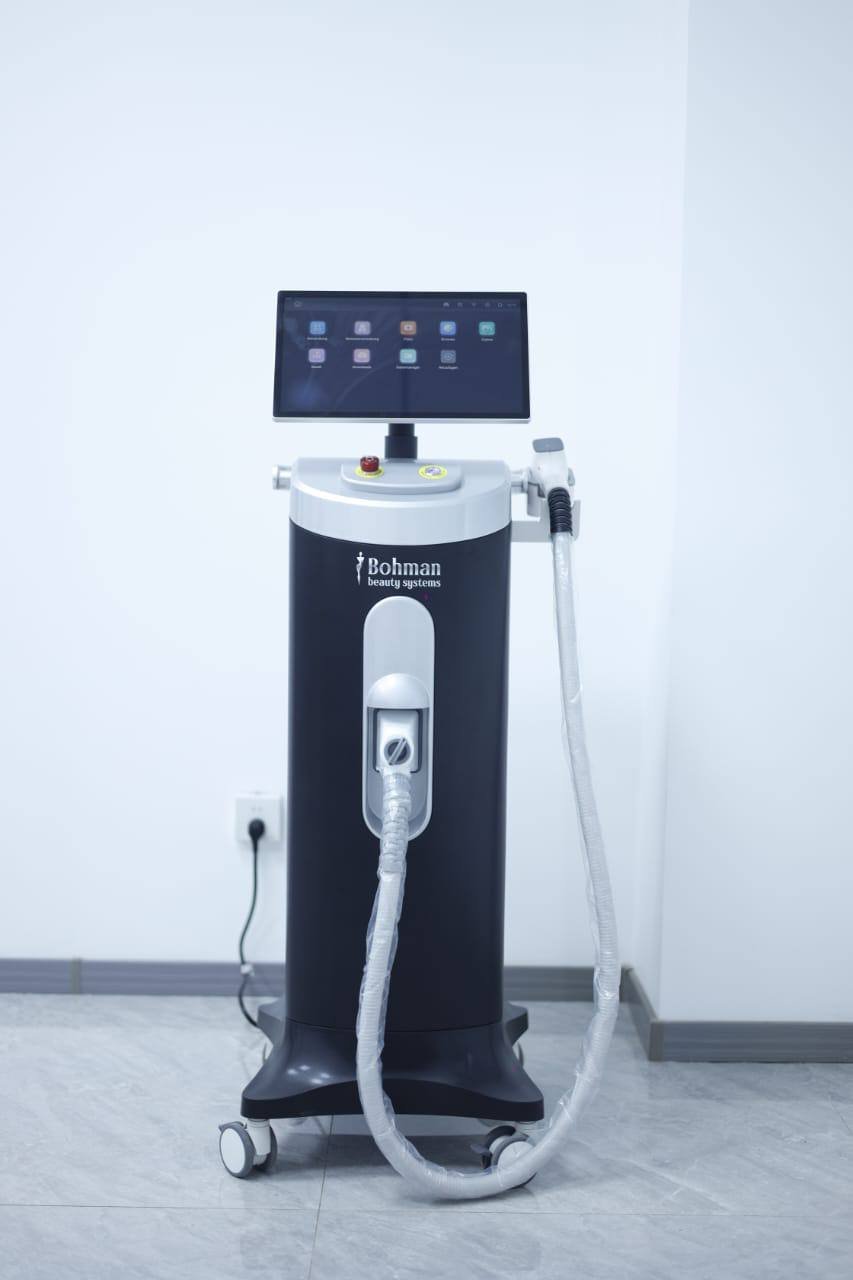
The DL 6000 Pro 4 diode laser by Bohman Beauty Systems exemplifies the cutting-edge technology revolutionizing the industry. This device combines remarkable efficacy and user-friendly features, making it an essential asset for any serious beauty clinic or salon. It is more than just a piece of equipment—it serves as a turnkey solution that ensures enhanced patient care and operational efficiency.
With ongoing advancements in safety protocols, customer expectations, and market growth, the future of laser hair removal promises a revolution that benefits both practitioners and clients alike. It is essential to stay informed and embrace these developments to fully utilize the potential of this dynamic and evolving industry.