

The Role of IPL Technology in Treating Acne: A Comprehensive Overview
I. Introduction to IPL Technology and Acne Treatment
The advent of Intense Pulsed Light (IPL) therapy has introduced an innovative approach to managing acne vulgaris, marking it as a noteworthy component of contemporary ipl acne solutions. Acne can significantly affect individuals not just physically but also emotionally, often leading to low self-esteem and social withdrawal. Traditional acne treatments include topical medications, oral antibiotics, and hormonal therapies, but they often come with side effects and don’t work for everyone. IPL therapy provides a non-invasive alternative, emphasizing the need for a deeper understanding of both acne and IPL technology.
Understanding Acne: Causes and Impact
Acne vulgaris is primarily caused by a combination of factors including hormonal changes, excessive sebum production, clogged hair follicles, and the presence of Propionibacterium acnes (P. acnes) bacteria. The condition is exacerbated by individual skin types, genetics, lifestyle choices, and skin care habits. Acne can manifest in various forms including papules, pustules, and cysts. Aside from the physical symptoms, acne can lead to psychological distress such as anxiety and depression, thus highlighting the importance of effective treatment options.
Overview of IPL Technology
IPL technology employs a broad spectrum of light, typically ranging from 400 to 1200 nm, which can be adapted for multiple skin conditions. Originally developed for hair removal and skin rejuvenation, IPL has gained attention for its application in treating acne. This technology works by targeting various components of acne pathogenesis, including the underlying bacteria, inflammation, and sebum production.
II. How IPL Technology Works
Mechanism of Action
The effectiveness of IPL in treating acne can be attributed to several key mechanisms:
- Photodynamic Therapy (PDT): The light emitted by IPL targets P. acnes bacteria, which produce porphyrins that are light-sensitive. When exposed to specific wavelengths, these porphyrins absorb light, leading to the generation of singlet oxygen and the destruction of the bacteria. This mechanism significantly reduces the bacterial load on the skin.
- Reduction of Sebaceous Gland Activity: IPL’s light energy can selectively damage the blood vessels that supply the sebaceous glands. By impairing their function and size, IPL can help to decrease sebum production, which is a critical factor in the development of acne.
- Anti-inflammatory Effects: IPL can modulate inflammatory pathways in the skin, downregulating pro-inflammatory cytokines like TNF-α and upregulating anti-inflammatory mediators such as TGF-β1. This can contribute to an overall reduction in skin redness and inflammation associated with acne lesions.
Wavelengths and Light Penetration
Key to the success of IPL therapy for acne is its ability to penetrate the skin at varying depths, depending on the wavelength used. Shorter wavelengths are effective for targeting superficial issues like redness and inflammation, while longer wavelengths can penetrate deeper to affect sebaceous glands and kill bacteria. Selecting the appropriate wavelength is crucial to effectively addressing the multifaceted nature of acne.
Different Types of IPL Devices and Their Functions
IPL devices vary significantly, catering to different treatment settings and patient needs. Understanding these differences is essential for effective treatment.
Professional vs. At-Home Devices
Professional IPL devices used in dermatology clinics are generally more powerful and feature customized settings, allowing for tailored treatment plans. These machines often provide immediate access to advanced technologies, ensuring optimal results. On the other hand, at-home devices, while convenient, may be less effective due to lower energy outputs and limited capabilities. Patients are advised to consult with their dermatologists before opting for at-home devices to ensure safe and effective treatment.
Key Features of Effective IPL Devices for Acne
The effectiveness of any IPL treatment depends on the device’s features:
- Adjustable wavelength settings for targeting differing skin concerns.
- Cooling systems to minimize discomfort during treatment.
- Smart pulse technology that ensures consistent and safe energy delivery.
- Ease of use for both professionals and at-home users.
III. Benefits of IPL Acne Solutions
Advantages Over Traditional Acne Treatments
IPL therapy offers several advantages compared to traditional acne treatments:

- Non-Invasive and Pain-Free Procedure: Unlike more intrusive options such as chemical peels or certain oral medications, IPL is non-invasive and generally well-tolerated by patients. Most clients experience only mild discomfort during sessions, making it more appealing.
- Minimal Downtime and Recovery: IPL treatments typically require little to no downtime. Patients can return to their regular activities almost immediately following sessions, in contrast to procedures that may induce peeling or require recovery time.
Comprehensive Results: Short-Term and Long-Term Effects
IPL therapy has shown promise in providing both immediate and sustained benefits for acne sufferers:
- Reduction of Acne and Scarring: Studies have demonstrated significant reductions in acne lesions, while periodic IPL sessions may help lighten hyperpigmentation and minimize scarring over time.
- Improvement in Skin Tone and Texture: By promoting healthier skin and reducing inflammation, IPL therapy leads to improved skin texture and overall tone, enhancing the appearance and convertibility of affected individuals.
IV. Considerations and Limitations
Who Is an Ideal Candidate for IPL Acne Solutions?
Identifying suitable candidates for IPL treatments is crucial:
- Skin Types and Conditions: IPL can be effective for individuals with mild to moderate acne. However, patients with active or cystic acne may not be ideal candidates as the treatment could exacerbate their condition.
- Expectations and Realistic Outcomes: Candidates should have realistic expectations regarding the number of treatments needed and the extent of improvement as IPL may not yield the same results as more aggressive therapies.
Potential Side Effects and Risks
Although IPL therapy is generally safe, some considerations must be kept in mind:
- Common Side Effects: Patients may experience transient erythema (redness) or mild discomfort during and after the session. These effects usually resolve quickly.
- Precautionary Measures: Prior to treatment, it is essential for patients to discuss their medical history with their dermatologists, particularly if they have conditions or are on medications that could increase skin sensitivity.
V. Conclusion and Future Directions
Summary of IPL’s Role in Acne Treatment
IPL therapy represents a significant advance in the treatment of acne vulgaris, offering a well-tolerated and effective non-invasive option for those seeking alternative therapies. Its dual action targeting both inflammatory processes and bacterial proliferation makes it a valuable addition to existing acne treatment protocols.
Emerging Research and Innovations in IPL Technology
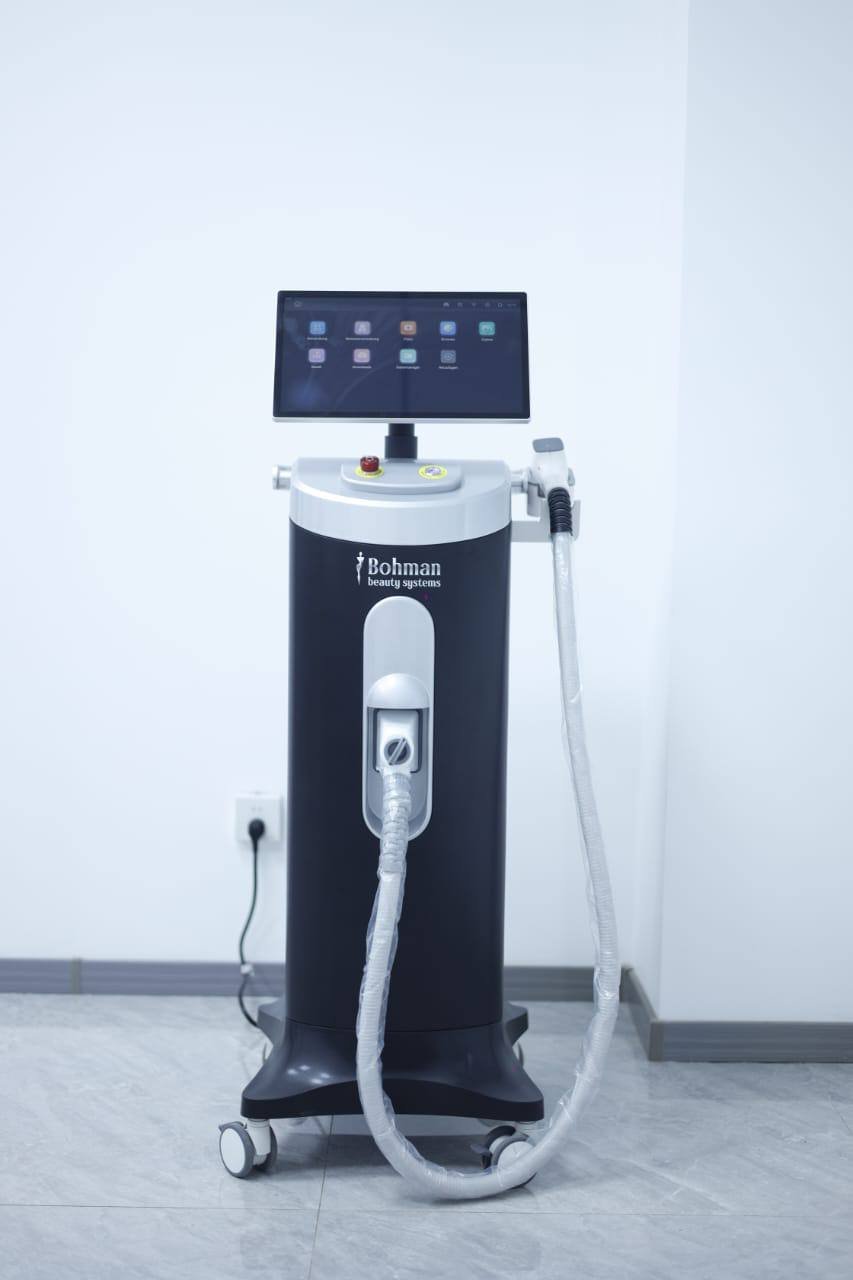
Ongoing research into optimizing IPL settings and device technology holds promise for even more significant advancements in treating acne. Innovations like the DL 6000 Pro 4 diode laser from Bohman Beauty Systems exemplify such progress by offering enhanced capabilities for skin rejuvenation and acne treatment, combining efficiency and effectiveness. Clinics looking to expand their arsenal of acne treatment options would benefit from integrating this advanced device, maintaining a competitive edge and improving patient outcomes.
Final Thoughts on Integrating IPL into Acne Treatment Plans
While IPL therapy shows great promise, it is essential to approach treatment on an individualized basis. Patients should collaborate with qualified dermatologists to ensure a comprehensive treatment plan addressing their specific skin needs and concerns. As research continues and technology evolves, IPL will likely become an increasingly integral part of effective acne management strategies.
Addendum
Frequently Asked Questions About IPL for Acne
As IPL technology grows in popularity, many questions arise regarding its efficacy, safety, and application. Patients are encouraged to consult professionals to answer their specific concerns. Common inquiries might include how many sessions are needed for satisfactory results or potential alternatives for those unresponsive to IPL.
Resources and Further Reading on IPL Acne Solutions
For those seeking to educate themselves further about IPL acne solutions, websites like the American Academy of Dermatology (aad.org) provide valuable insights into treatments available and ongoing clinical guidelines.