

In the quest for smooth, hair-free skin, many individuals turn to advanced technologies such as Intense Pulsed Light (IPL) and laser hair removal. These methods have gained popularity for their efficacy in reducing unwanted hair, yet there is a notable ipl hair removal comparison to be made between them regarding their mechanisms, effectiveness, safety, and costs. Understanding these differences is crucial for making an informed decision tailored to individual needs and circumstances.
Understanding the Technologies
What is IPL ?
Intense Pulsed Light (IPL) is a hair removal technology that utilizes a broad spectrum of light wavelengths to effectively target hair follicles. Unlike traditional lasers, which emit a singular wavelength, IPL emits diffused light that can cover a larger area, making it suitable for treating extensive body regions.
The core mechanism behind IPL is its ability to penetrate the skin and convert the absorbed light energy into heat. This heat damages the hair follicles, resulting in reduced hair growth and effectively inhibiting future hair regeneration. The key features of IPL technology include:
- Wide spectrum of light, allowing for treatment of large areas.
- Targets melanin in hair, which is more abundant in darker hair types.
- Requires multiple sessions for optimal results.
What is Laser Hair Removal?
Laser hair removal, on the other hand, utilizes a focused, monochromatic light source that targets individual hair follicles with precision. The laser uses specific wavelengths of light, typically around 755 nm (Alexandrite), 810 nm (Diode), or 1064 nm (Nd:YAG), to home in on the melanin in the hair follicles.
This concentrated approach allows for deeper penetration into the hair follicle, often leading to more effective hair reduction in fewer sessions. The key features of laser technology include:
- High precision targeting of hair follicles, leading to effective results.
- Ability to cater to a range of skin tones, including darker skin types.
- Generally requires fewer sessions compared to IPL.
IPL vs. Laser Hair Removal: Mechanism of Action
How IPL Works: The Science Behind The Light
As mentioned earlier, IPL utilizes a broad spectrum of light wavelengths. This means that it can emit various wavelengths (typically between 500 nm and 1200 nm). The key is that light at specific wavelengths is absorbed by the melanin in hair follicles. The absorption of this light converts to heat, damaging the follicle and potentially inhibiting future hair growth.
The impact of skin and hair color significantly affects the efficiency of IPL:
- IPL is most effective on individuals with light skin and dark hair, as the contrast allows for better absorption of the light.
- Individuals with darker skin tones may face higher risks of skin damage, such as burns and discoloration.
How Laser Hair Removal Works
Laser hair removal uses a more focused approach. The laser device emits a specific wavelength that closely targets the melanin pigment in hair follicles. This precision means that the skin surrounding the follicle is less affected, reducing the risk of damage to surrounding tissues. This method includes:
- Utilization of cutting-edge cooling mechanisms to enhance comfort and minimize side effects during treatment.
- Ability to treat a wider variety of hair colors compared to IPL, thanks to the depth of penetration and precision of the laser.
Effectiveness and Speed of Results
Effectiveness of IPL for Hair Removal
IPL treatments generally require a higher number of sessions to achieve significant hair reduction, usually between 6 to 12 sessions. Some factors influencing effectiveness include:
- The contrast between skin and hair color.
- The area being treated (some areas respond better than others).
IPL is particularly efficient for larger treatment areas like the legs, arms, or back as it can cover more ground in a single session.
Effectiveness of Laser Hair Removal
In contrast, laser hair removal typically necessitates only 3 to 6 sessions to achieve substantial results. With its precision, it can offer up to 95% hair reduction. Effectiveness is enhanced by factors such as:
- Skin tone and hair color compatibility with the specific laser used.
- The area being treated, with effectiveness generally higher in more targeted areas, such as the underarms or facial areas.
Safety and Side Effects
Safety Considerations for IPL Hair Removal
While IPL is generally safe, it can lead to various side effects, especially in individuals with darker skin types. Common side effects include:
- Burns or blisters due to the broad spectrum of light affecting surrounding skin tissues.
- Discoloration or hyperpigmentation, particularly in dark-skinned individuals.
Individuals with darker skin tones are often advised to consult with a professional who has expertise in treating diverse skin types to ensure safe IPL treatment.
Safety Considerations for Laser Hair Removal
Laser hair removal is typically associated with fewer side effects when performed by qualified professionals. While it may cause temporary redness or irritation, the focused nature of the laser minimizes risks to surrounding skin. Important considerations include:
- Laser safety features such as cooling systems that enhance comfort and reduce skin trauma.
- Minimized risks for individuals with darker skin tones compared to IPL treatments.
Cost and Accessibility
Cost Comparison: IPL vs. Laser Hair Removal
Cost is an essential factor when exploring hair removal options. Generally, IPL treatments are more affordable on a per-session basis but may require more sessions overall, potentially leading to higher cumulative costs. Laser hair removal, while pricier upfront, often results in more significant savings in the long run due to fewer treatments needed.
- IPL: Lower initial costs but more sessions might increase overall expenses.
- Laser Hair Removal: Higher initial costs but typically cheaper overall owing to fewer treatments.
Accessibility and Availability
Clients looking for these hair removal options must consider where treatments are available. Clinics often offer professional-grade equipment for both IPL and laser treatments, while there are also at-home devices available for personal use, particularly for IPL. Key points include:
- Clinic-based treatments usually yield better results due to professional supervision and equipment.
- At-home devices may vary in effectiveness and safety compared to professional treatments.
Conclusion
Ultimately, both IPL and laser hair removal offer viable options for those seeking effective hair reduction solutions. Laser treatments generally provide more effective and longer-lasting results, especially for individuals with darker skin tones. However, IPL might present a more affordable option for treating larger areas of the body. Consulting with a qualified professional can help determine the most suitable treatment based on individual needs and skin characteristics.
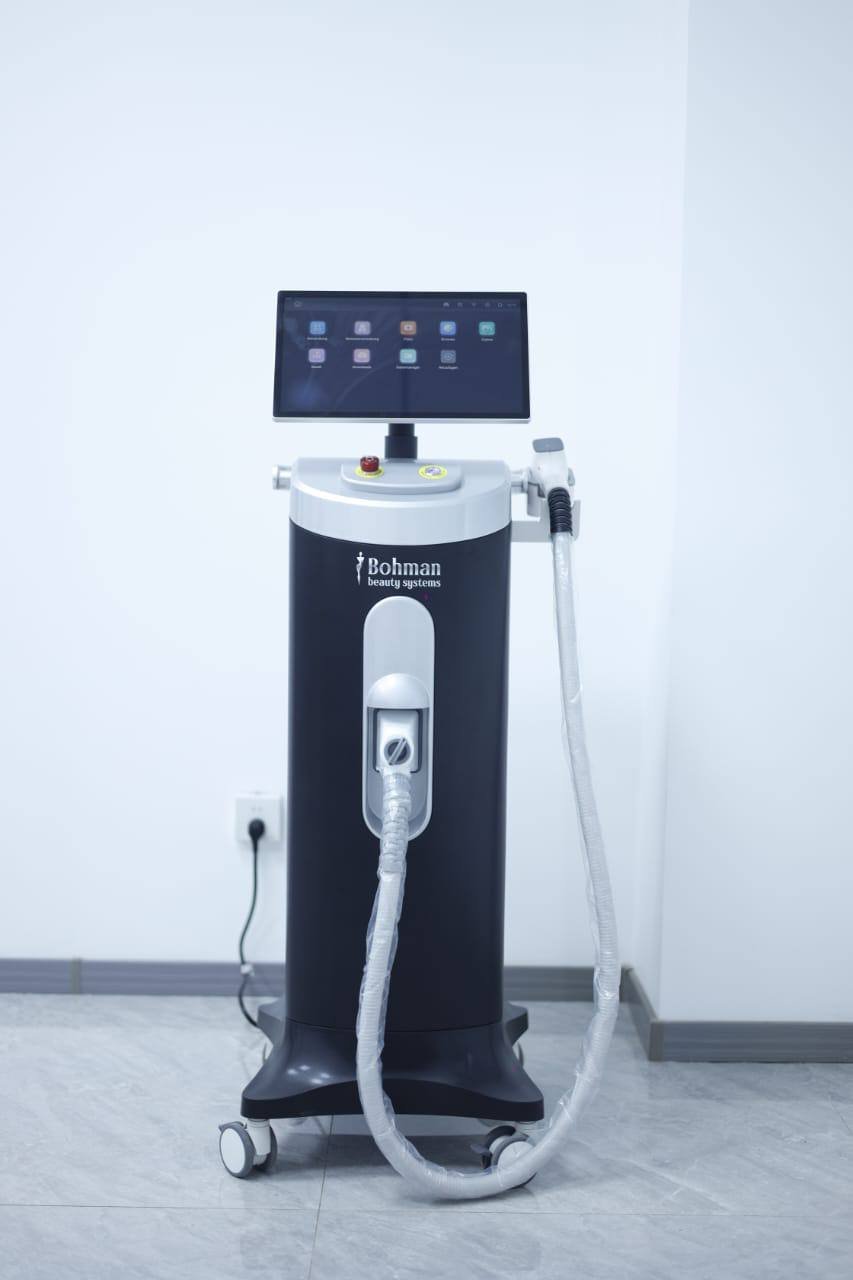
For a high-quality laser option, consider the DL 6000 Pro 4 Diode Laser from Bohman Beauty Systems, which is designed to offer reliable, turnkey solutions for any serious beauty clinic or salon.
As you weigh your options between IPL and laser hair removal, exploring further resources and expert opinions can equip you with the knowledge needed for a confident decision. For detailed studies and more information, consult National Center for Biotechnology Information on the efficacy and safety of these technologies.