

The Evolution of IPL Technology: From Research to Real-World Applications
Advancements in IPL technology have transformed how we approach skin treatments, hair removal, and various medical applications. Intense Pulsed Light (IPL) technology has become an integral part of both aesthetics and medical procedures since its inception in the early 1990s.
Introduction to IPL Technology
Overview of Intense Pulsed Light
IPL technology utilizes a broad spectrum of light wavelengths to treat a variety of skin issues and medical conditions. Unlike lasers, which emit a single wavelength, IPL can penetrate the skin at different depths and can be tailored for various skin types and concerns. The ability to adjust light intensity and wavelength makes IPL a versatile treatment method, widely adopted in dermatology and aesthetic practices.
Importance of IPL in Various Industries
IPL plays vital roles in the medical field, particularly in dermatology and ophthalmology, as well as in the beauty industry. Its applications include hair removal, skin rejuvenation, and the treatment of skin lesions, vascular conditions, and even eye-related issues like evaporative dry eye disease. The capacity for customization has led to increased patient satisfaction and improved outcomes, making IPL essential in various sectors.
Historical Development of IPL Technology
Early Research and Development
The journey of IPL technology began in 1992 when Dr. Shimon Eckhouse patented the concept with the aim of treating vascular conditions. His vision pioneered the path for future innovations in light-based therapies. In 1995, the first FDA-approved IPL device was introduced, marking a significant milestone in the technology’s acceptance and application in clinical settings.
Key Milestones in IPL Advancements
Breakthrough Discoveries
- 1992: Patent of IPL technology by Dr. Shimon Eckhouse.
- 1995: FDA approval of the first IPL device.
- Late 1990s: Expansion into aesthetic treatments such as hair removal and skin rejuvenation.
Emergence of Commercial IPL Systems
As IPL technology gained traction, manufacturers began creating commercial systems that allowed clinics to offer diverse treatments. By the early 2000s, IPL devices became common in aesthetic practices, marking a significant step towards the technology’s mainstream popularity. This shift was driven by the growing consumer demand for non-invasive treatments with minimal downtime.
The Science Behind IPL Technology
Principles of Light and Skin Interaction
The effectiveness of IPL technology relies on its ability to deliver light energy to targeted tissues. When the light produced by an IPL device penetrates the skin, it is absorbed by specific chromophores—melanin in hair follicles for hair removal and hemoglobin in blood vessels for treating vascular lesions. This selective photothermolysis allows for controlled damage to the target tissue while sparing the surrounding areas.
Understanding Wavelengths and Energy Delivery
IPL devices emit light across a broad spectrum, typically ranging from 500 to 1200 nanometers. Different wavelengths serve to target various skin conditions:
- Shorter wavelengths (500–600 nm) target superficial vascular lesions.
- Medium wavelengths (600–800 nm) are effective for hair removal.
- Longer wavelengths (800–1200 nm) penetrate deeply, useful for skin rejuvenation and collagen stimulation.
The ability to control energy delivery helps providers tailor treatments to individual patient needs, enhancing safety and efficacy.
Recent Advancements in IPL
Recent innovations in IPL technology, such as the integration of Radio Frequency (RF) energy to create E-Light technology, have improved treatment efficacy. E-Light technology preheats deep tissues, allowing lower energy levels to be used while enhancing safety, particularly for diverse skin types. Additionally, advancements like Optimal Pulse Technology (OPT) stabilize energy outputs, leading to more consistent and comfortable treatments.

Real-World Applications of IPL Technology
Medical and Aesthetic Uses
Hair Removal
One of the most widely recognized applications of IPL technology is in hair removal. The treatment disrupts hair follicles in the growth phase, significantly reducing hair growth over a series of sessions. The adjustable settings allow practitioners to customize treatments according to skin type and hair color, maximizing results.
Skin Rejuvenation and Treatment of Skin Conditions
IPL technology is also extensively used in skin rejuvenation treatments. It addresses a range of issues such as:
- Pigmented lesions, including age spots and sun damage.
- Vascular lesions like rosacea and spider veins.
- Signs of photoaging, including fine lines and wrinkles.
By stimulating collagen production and improving skin texture, IPL helps patients achieve a more youthful appearance without the need for invasive procedures.
Industrial and Agricultural Applications
Pest Control
Beyond the cosmetic and medical fields, IPL technology has found applications in pest control. It offers a non-chemical approach to managing pest populations, thereby reducing harm to the environment and human health. The targeted light can effectively disrupt the biological processes in pests, providing an innovative tool for agricultural practices.
Food Processing
In the food industry, IPL technology aids in food processing by enhancing food safety and extending shelf life. By using light to eliminate surface pathogens, IPL provides an effective sterilization method while preserving food quality. This technology is especially crucial in an era where food safety is of utmost importance.
Future Trends and Challenges in IPL Technology
Innovations on the Horizon
The future of IPL technology is poised for exciting innovations. Ongoing research is exploring the potential for combining IPL with other technologies, such as lasers and radiofrequency, to develop more comprehensive dermatological treatments. These combinations may push the boundaries of what IPL can achieve in areas like skin rejuvenation and complex skin issues.
Addressing Limitations and Ethical Considerations
Despite its success, IPL technology is not without limitations. Concerns about skin sensitivity and varying results among different skin types necessitate ongoing research and training for practitioners. Additionally, ethical considerations surrounding the use of light technologies in vulnerable populations must be prioritized. Understanding patient safety and ethical implications is critical as IPL technology continues to evolve.
The Role of Ongoing Research in Driving Advancements in IPL
As IPL technology advances, continuous research is essential to validate new applications and improve existing methods. Studies focusing on patient outcomes, comparing different devices, and understanding mechanisms of action will bolster confidence in IPL treatments. Furthermore, the introduction of home-use IPL devices reflects a shift towards consumer accessibility, promising to enhance self-care practices.
Conclusion
The evolution of IPL technology from its initial development to its current applications illustrates significant advancements in IPL that have transformed the beauty and medical industries. Continued innovation and research will play a pivotal role in overcoming barriers and expanding the technology’s usability. As IPL treatments become increasingly sophisticated, patients and practitioners alike can look forward to enhanced efficacy and comfort, solidifying IPL’s place as a vital tool in aesthetic medicine.
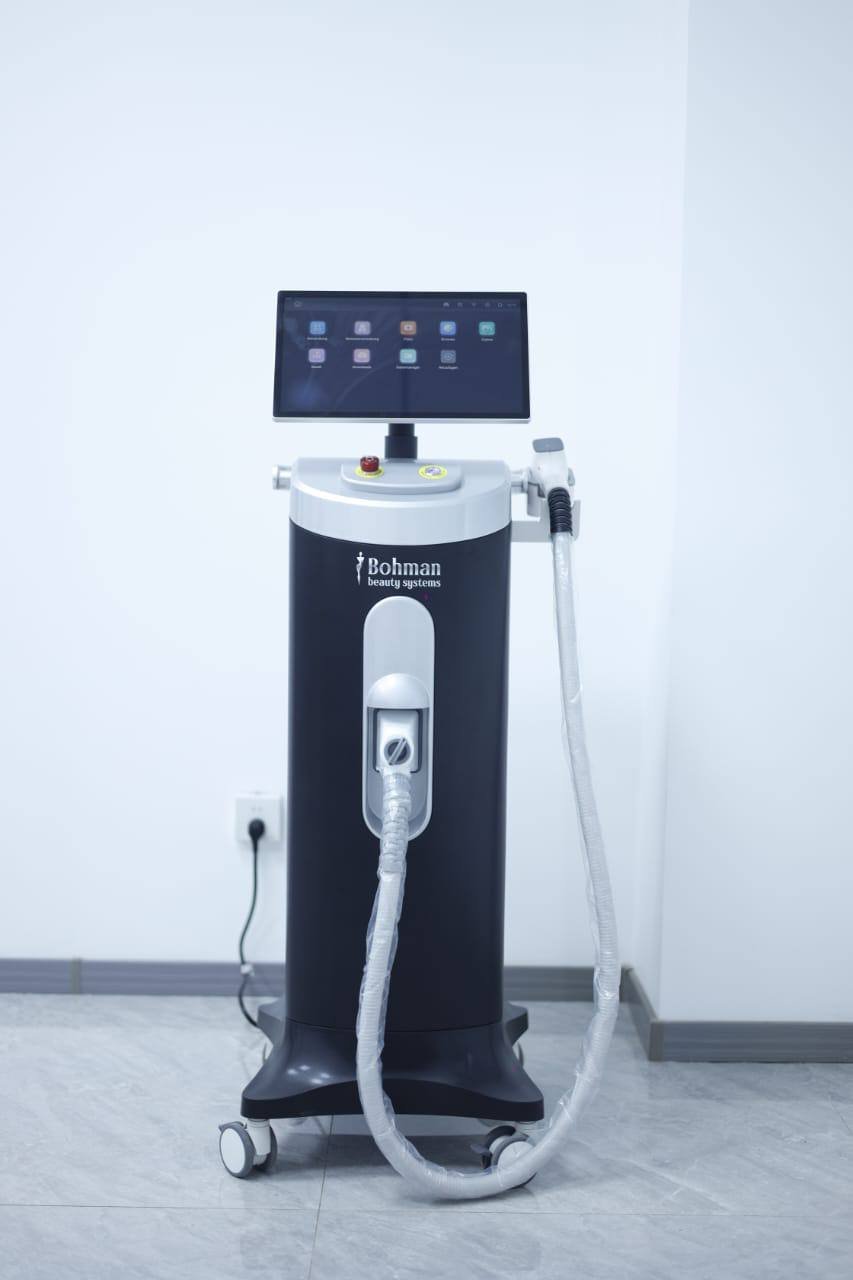
For clinics and beauty salons looking to enhance their service offerings, the DL 6000 Pro 4 diode laser from Bohman Beauty Systems is an exceptional choice. Not just another piece of equipment, this state-of-the-art device combines advanced technology with user-friendly features, streamlining treatments and ensuring high-quality results. Investing in the DL 6000 Pro 4 not only benefits your clinic but also elevates the experience for your clients, showcasing your commitment to innovative solutions in beauty care. Explore this revolutionary device at Bohman Beauty Systems.
As IPL technology continues to develop, its potential applications are becoming boundless, offering exciting possibilities for both medical and aesthetic purposes.