

Understanding IPL Technology: A Consumer’s Guide to Safe Practices
Safe IPL practices are essential for anyone considering at-home hair removal. Intense Pulsed Light (IPL) technology has transformed the landscape of beauty treatments, providing an effective method for reducing hair growth without the invasiveness associated with traditional procedures. This guide will navigate the complexities of IPL technology, its workings, benefits, and safety measures, ensuring users can harness its power responsibly.
What is IPL Technology?
Intense Pulsed Light (IPL) technology leverages broad-spectrum light pulses to target melanin, the pigment within hair follicles. This method effectively diminishes hair growth and improves various skin conditions, making IPL devices versatile in their applications. Unlike lasers that emit a single wavelength, IPL systems deliver multiple wavelengths, allowing for tailored treatments for different skin types and conditions. The foundation of IPL technology lies in its ability to cause controlled damage to hair follicles while sparing the surrounding skin, leading to effective hair removal and skin rejuvenation.
History and Evolution of IPL Devices
Originating in the late 1990s, IPL technology was initially used in medical dermatology before finding traction in cosmetic applications. Over the years, advancements in technology have enabled the development of user-friendly, efficient at-home IPL devices. These devices have become significantly more accessible, allowing consumers to benefit from professional-like results conveniently in their own homes. Today, countless IPL products are available on the market, promoting a range of aesthetic treatments from hair removal to skin rejuvenation.
How IPL Technology Works
The Science Behind IPL: Mechanism of Action
IPL technology works through the principle of selective photothermolysis, where light is absorbed by specific targets within the skin, leading to their destruction without harming surrounding tissues. The device emits light that is absorbed by the melanin in the hair follicle. When this light converts to heat, it damages the follicle sufficiently to inhibit future hair growth. The effectiveness of this treatment is largely influenced by the contrast between the color of the hair and the surrounding skin; darker hair on lighter skin typically produces the best results.
Different Types of IPL Devices: Professional vs. At-home Use
When considering IPL devices, you’ll find two primary categories: professional and at-home use. Professional devices, used in clinics or salons, usually have more powerful light emission, enabling quicker and potentially more effective treatment sessions. They are also typically operated by trained professionals, ensuring proper technique and safety. In contrast, at-home IPL devices are designed for consumer use and are generally less powerful but can be highly effective with proper adherence to safety guidelines. These devices afford convenience and privacy for individual users, making them a popular choice for many.
Benefits of IPL Technology
Aesthetic Uses: Hair Removal, Skin Rejuvenation, and Acne Treatment
The aesthetic benefits of IPL technology are manifold. Primarily, it serves as an effective solution for hair removal, significantly reducing hair growth over time with a series of treatments. Beyond hair removal, IPL is utilized for skin rejuvenation, helping to reduce the appearance of fine lines, wrinkles, and sun damage. Acne treatment is also a prominent application, as the technology can target the bacteria contributing to acne, promoting clearer skin.
Medical Applications: Dermatological Treatments and Beyond
In medical settings, IPL technology is used to treat a variety of dermatological conditions. These include vascular lesions like spider veins, pigmentation disorders, and skin tightening. The versatility of IPL extends beyond cosmetics, as it is also employed in therapeutic contexts for conditions such as rosacea and psoriasis. The continuous evolution of IPL technology is fostering a deeper understanding of its numerous applications in both beauty and healthcare realms.
Safe IPL Practices
Pre-Treatment Considerations: Skin Types, Medications, and Conditions
For successful and safe IPL treatments, it is crucial to evaluate skin types and conditions prior to beginning sessions. IPL technology is ideally suited for individuals with light skin tones and dark hair, as it targets the melanin in the hair effectively. People with darker skin tones may experience pigmentation changes, so caution is advised. Additionally, individuals taking photosensitive medications or with certain skin conditions should consult healthcare professionals before using IPL devices. Performing a patch test on a small area of skin prior to full treatment is also a recommended practice to avoid adverse reactions.

During Treatment: Tips for Minimizing Risk and Maximizing Efficacy
During the treatment, adhering to safe IPL practices is vital for achieving optimal results while minimizing risks. Essential precautions include:
- Wearing protective eyewear to shield your eyes from the intense light emitted during the procedure.
- Maintaining the device cleanliness according to manufacturer instructions to ensure safety and effectiveness.
- Following the recommended treatment schedule, typically starting with one to two sessions per week.
- Avoiding any area of the skin that is irritated or broken to prevent adverse reactions.
Post-Treatment Care: Aftercare Instructions for Optimal Recovery
After treatment, the proper care of your skin is crucial for recovery and to enhance results. Moisturizing the treated area helps soothe the skin, and it’s advisable to avoid exposure to hot water, saunas, or intense physical activities that cause sweating for at least 24 hours. Additionally, protecting the skin from sun exposure will minimize the risk of pigmentation changes or irritation. Applying a high-SPF sunscreen to protect the affected area is recommended for several weeks following treatment as an essential aftercare measure.
Common Misconceptions and Concerns
Addressing Myths: Safety, Efficacy, and Pain Levels
Despite the growing popularity of IPL technology, several misconceptions persist. One major myth is that IPL is entirely pain-free; while many users report minimal discomfort, pain tolerance varies among individuals. Another concern relates to efficacy; some believe IPL devices cannot provide results comparable to those of professional treatments. However, with proper use and adherence to safe IPL practices, at-home devices can yield substantial hair reduction over time.
Regulatory Oversight: Understanding FDA and Other Guidelines for IPL Devices
In the United States, the Food and Drug Administration (FDA) regulates IPL devices to ensure they meet safety and efficacy standards. Consumers should look for devices that have received clearance from reputable regulatory bodies, thereby assuring quality and safety in their home use. Understanding these regulations helps consumers make informed choices when selecting IPL products.
Conclusion
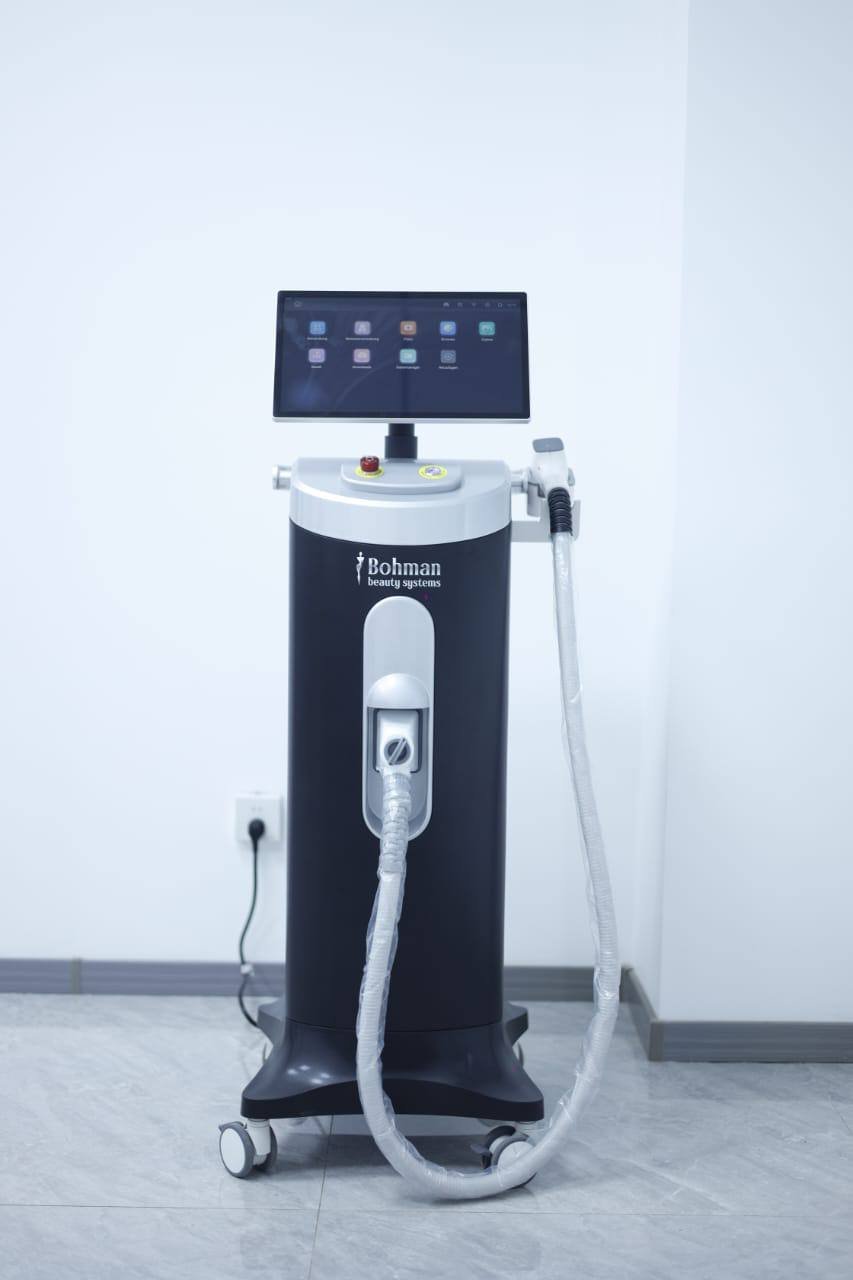
In conclusion, IPL technology represents an innovative and effective alternative for hair removal and skincare solutions. By adhering to safe IPL practices, consumers can maximize the benefits of their IPL devices while minimizing potential risks. As the market continues to evolve, investing in a high-quality device like the DL 6000 Pro 4 diode laser from Bohman Beauty Systems can significantly enhance treatment efficacy for both personal and professional use. This comprehensive device is not merely a tool—it’s a vital investment for serious beauty clinics or salons looking to provide their clients with state-of-the-art treatment options.
Additional Resources
Recommended Reading and Research Papers
For those interested in further exploration of IPL technology and its benefits, consider referring to reputable dermatology journals and cosmetic science publications. Engaging with such literature can deepen your understanding and appreciation of IPL applications.
Professional Organizations and Support Networks for IPL Users
Connecting with professional organizations dedicated to aesthetic medicine can provide valuable insights and ongoing education regarding safe IPL practices and the latest advances in IPL technology. Seek out local or national groups that focus on dermatology and aesthetic treatments for additional resources and support.