

Introduction to Intense Pulsed Light Therapy
Intense Pulsed Light (IPL) therapy is a non-invasive, versatile treatment known for its wide-ranging skincare benefits. With the ability to effectively address conditions such as photoaging, hyperpigmentation, and vascular lesions, IPL therapy has quickly become a favored choice for both patients and practitioners in the field of dermatology. The efficacy of IPL skincare benefits lies in its innovative mechanism of selective photothermolysis, delivering broad-spectrum light to target specific chromophores within the skin and instigating a healing response that can rejuvenate skin texture and appearance.
The journey of IPL in the realm of skincare has evolved significantly, tracing back to its inception in the late 1990s. Initially used in dermatology for hair removal, advancements in technology have since broadened its application to encompass a variety of skin conditions, marking a pivotal shift in aesthetic medicine. With continued innovations, IPL therapy continues to attract attention as a go-to treatment for people looking to enhance their skin health and aesthetic appeal.
The Science Behind IPL Technology
Mechanisms of Action
Understanding how IPL therapy works begins with the light spectrum and energy transmission. IPL devices emit light that typically ranges from 500 to 1200 nanometers. This broad-spectrum light is filtered to focus on specific targets within the dermal layers of the skin.
When employed in the treatment of vascular lesions, wavelengths between 500 and 600 nanometers specifically target oxyhemoglobin within dilated blood vessels. The absorption of this light by the targeted chromophore results in the conversion of light energy into heat, consequentially leading to thrombosis and eventual closure of these vessels. Additionally, IPL promotes the modulation of inflammatory cytokines, thereby assisting in reducing erythema and improving overall skin texture.
Interaction with Skin Layers: Epidermis vs. Dermis
IPL’s effectiveness is rooted in its ability to penetrate various skin layers. The emitted light selectively heats the targeted chromophores located within both the epidermis and the dermis. In the epidermis, melanin and hemoglobin absorb the light, facilitating treatments such as pigmentation removal and vascular lesion therapy. Conversely, in the dermal layer, the thermal energy stimulates collagen production and remodeling, promoting enhanced skin firmness and texture over time.
Types of IPL Devices and Their Functionality
There exists a variety of IPL devices, each equipped with distinct handpieces and filters designed to cater to specific treatments. These devices possess key technological features that allow practitioners to customize treatment plans based on individual patient needs and skin types. It is essential for users to select devices that offer reliable performance and safety standards, ensuring optimal outcomes in various applications.
- Handpieces and Filters: These components are integral in determining the target chromophore and the depth of skin reached during treatment.
- Key Technological Features: Various options, such as adjustable pulse duration and energy levels, enhance the precision and safety of IPL therapy.
IPL Skincare Benefits
Common Applications in Skincare
IPL therapy offers numerous applications specific to skin concerns. Its capacity to address pigmentation issues like age spots, manage hair removal, and treat conditions like acne vulgaris underlines its adaptability as a skincare treatment.
- Treatment of Pigmentation Issues: IPL effectively targets melanin, reducing age spots and discoloration.
- Hair Removal: The selective targeting of hair follicles makes IPL a favorable option for non-invasive hair removal.
- Acne Management: By focusing on sebaceous glands, IPL can help decrease sebum production and reduce acne lesions.
Research and Clinical Evidence
The efficacy of IPL treatment has been corroborated by various studies. A systematic review, which encompassed results from 16 studies involving 637 participants, demonstrated significant improvements in multiple skin conditions such as telangiectasia, wrinkles, texture irregularities, and hyperpigmentation. Additional clinical studies have indicated that IPL manages acne significantly, leading to improved severity scores in participants. Such evidence underscores the reliability and effectiveness of IPL as a comprehensive skincare solution.

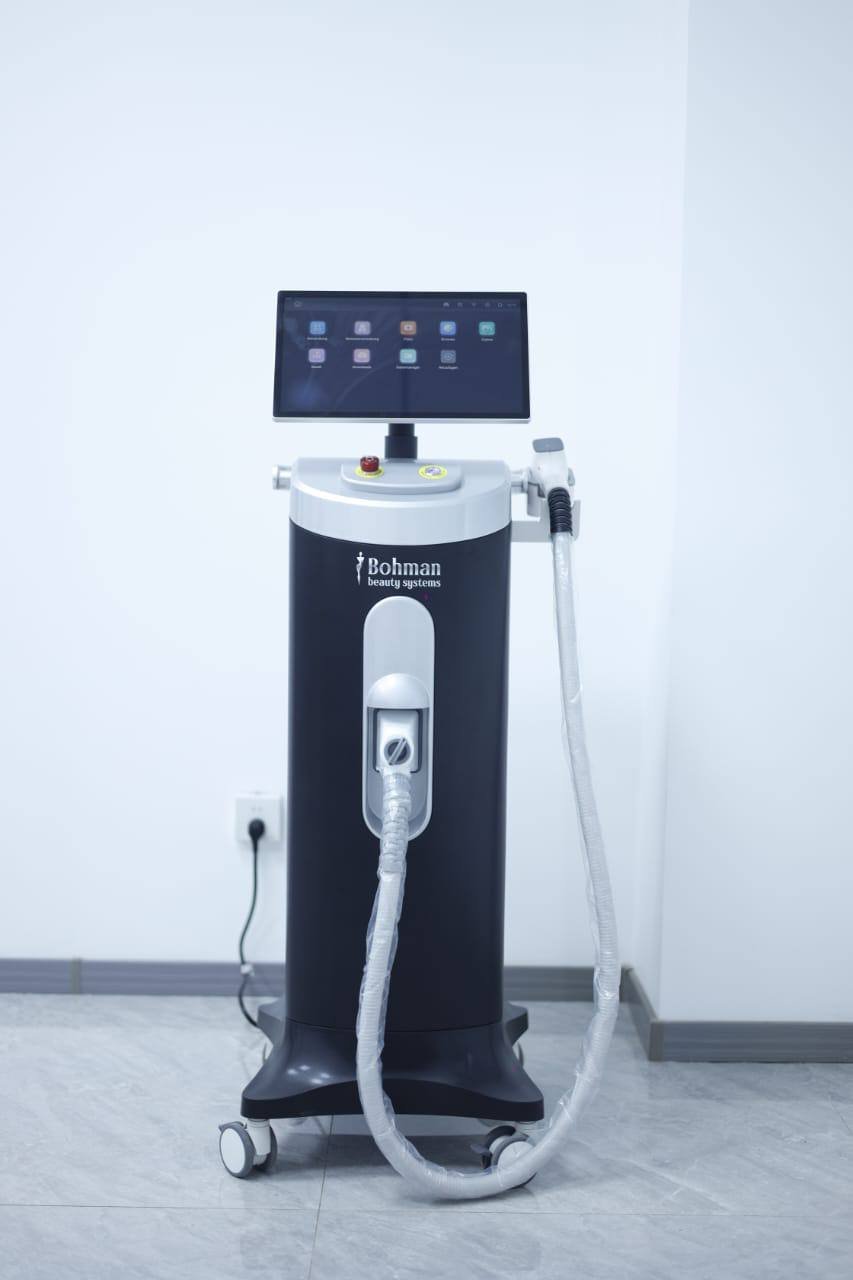
One noteworthy treatment modality is the DL 6000 Pro 4 diode laser from Bohman Beauty Systems. This advanced device is not just another piece of equipment; it represents a substantial business investment for any serious beauty clinic or salon. The DL 6000 Pro 4 offers a range of functionalities that can seamlessly integrate with IPL technology, enhancing patient outcomes and maximizing operational efficiency within aesthetic practices. This device could serve as an excellent complement to an existing IPL setup, tailored for practitioners seeking comprehensive solutions in skincare.
Safety and Side Effects of IPL Treatments
Considerations Before Undergoing IPL Therapy
Prior to initiating IPL therapy, practitioners need to evaluate various considerations including skin types and individual sensitivities. Understanding a patient’s history is paramount to ensure treatment complaisance and efficacy.
- Skin Types and Sensitivities: Specific skin tones or conditions may heighten the risk of adverse effects post-treatment.
- Pre-Treatment Recommendations: Suggestions may include sun avoidance, avoiding certain medications, and considering skin care products that reduce sensitivity prior to therapy.
Potential Risks and Side Effects
Although IPL therapy is generally considered safe, it is not devoid of risks. Common side effects commonly observed include erythema and swelling at the treatment site. These mild reactions typically resolve within a few hours to a couple of days. However, in rarer cases, patients may experience hyperpigmentation or hypopigmentation, particularly individuals with darker skin tones. It is essential for practitioners to conduct thorough consultations to identify any contraindications, such as recent sunburn or active herpes simplex virus infections, advising prophylactic antiviral treatment for at-risk individuals.
Conclusion and Future Perspectives
The Growing Role of IPL in Aesthetic Medicine
As we advance further into the 21st century, IPL therapy’s reputation continues to flourish, marking its importance within the aesthetic medicine sector. Its range of applications coupled with clinical proven results establish it as a preferred choice among both practitioners and patients seeking effective, non-invasive treatment options.
Innovations and Advancements in IPL Technology
The dynamic nature of aesthetic technologies anticipates the emergence of new innovations that will enhance the functionality and safety of IPL treatments. Future research is likely to focus on refining the technology, integrating it with other treatments, and exploring new applications for greater efficacy. By marrying IPL technology with other approaches in skincare, practitioners can offer comprehensive and customized treatment strategies tailored to the needs of their patients.
Integrating IPL with Other Skincare Treatments
Combining IPL with complementary treatments, such as chemical peels or microneedling, presents opportunities for enhanced patient results. This holistic approach not only maximizes the effectiveness of each modality but also caters to the diverse needs of clients seeking comprehensive skin rejuvenation.