
Introduction to Laser and IPL Technologies
Understanding the science behind laser skin science and Intense Pulsed Light (IPL) technologies is essential for anyone considering skin treatments. These innovative approaches have transformed dermatology by offering non-invasive solutions to a variety of skin issues. By targeting specific chromophores in the skin using light energy, both lasers and IPL modalities have set new standards in the aesthetic and medical dermatology fields.
Historically, laser and light therapy began with confined applications, but advancements in technology have significantly broadened their scope. The quest for clearer, rejuvenated skin has propelled the evolution of these techniques, paving the way for enhanced delivery methods and expanded treatment options. As a result, dermatologists can now personalize treatments to cater to individual patient needs.
For consumers, understanding the intricacies of these technologies not only empowers informed decisions but also underscores the importance of safety and efficacy. A sound knowledge base helps patients make better choices and navigate consultations with medical professionals effectively.
The Science of Laser Skin Treatments
What is Laser Skin Science?
Laser skin science revolves around the principles of focused light energy. When applied to the skin, lasers emit coherent, monochromatic light at specific wavelengths, enabling precise targeting of various chromophores, including melanin, hemoglobin, and water molecules. This precision allows for effective treatments for countless issues, from pigmentation and vascular lesions to skin resurfacing.
Types of lasers utilized in dermatology include:
- Fractional Lasers
- Pulsed Dye Lasers
- Nd:YAG Lasers
- CO₂ Lasers
Each of these types serves unique purposes and caters to different skin types and concerns, showcasing the versatility of laser skin science.
Common Laser Treatments
Laser skin treatments encompass a multitude of applications. Among the most prominent are:
- Fractional Laser Resurfacing: This method promotes collagen production while minimizing downtime by selectively treating only a fraction of the skin surface.
- Laser Hair Removal: Utilizes specific wavelengths to target and destroy hair follicles, effectively reducing unwanted hair growth.
The effectiveness of different laser treatments is well-documented, with studies showing significant improvements in skin texture, pigmentation, and overall appearance. It’s vital for individuals seeking these treatments to be informed about their options and the associated benefits.
Intense Pulsed Light Therapy Explained
Fundamentals of IPL Technology
Intense Pulsed Light (IPL) technology differs from lasers in its broad-spectrum light delivery. IPL devices emit a range of non-coherent light wavelengths, allowing for more versatile treatments. Filters are utilized to select the specific wavelengths that effectively target different chromophores.
Understanding the distinctions between laser and IPL is crucial, as their applications vary:
- Laser: Delivers focused light, providing precise targeting for specific concerns.
- IPL: Offers broader light ranges, making it suitable for treating multiple conditions simultaneously.
Applications of IPL Treatments
IPL therapy is widely recognized for its efficacy in various applications, including:
- Skin Rejuvenation: Enhances skin texture, reduces wrinkles, and corrects pigmentation irregularities.
- Acne Treatment: Targets acne-causing bacteria and reduces inflammation, improving overall skin clarity.
- Redness Reduction: Effectively treats vascular lesions, such as broken capillaries and rosacea.
The versatility of IPL treatments contributes to their popularity, as well as their proven safety records. Many patients experience significant improvements with minimal side effects.
Comparing Laser and IPL: What’s Right for You?
Advantages and Disadvantages of Each Method
When choosing between laser and IPL treatments, it is essential to weigh their advantages and disadvantages. Here are some key points to consider:
- Effectiveness: Both modalities are effective, but the right choice largely depends on specific skin concerns. Lasers offer precision for targeted issues, while IPL provides broader treatment options.
- Treatment Duration: Laser treatments may require fewer sessions for more significant changes, whereas IPL often takes multiple sessions to achieve desired results.
- Recovery Time: Laser treatments may involve more downtime, particularly ablative procedures, while IPL generally promotes quicker recovery.
Ideal Candidates for Laser vs. IPL
When it comes to determining the best choice between laser and IPL therapies, factors like skin type and aesthetic goals should be considered:
- Skin Types: Certain lasers are better suited for specific skin types, and similarly, patients with particular concerns may benefit more from one option over the other.
- Aesthetic Goals: Understanding your unique goals—be it hair removal, skin rejuvenation, or pigmentation correction—will guide you towards the right treatment.
- Consultation and Professional Guidance: Engaging with a dermatologist or trained professional helps customize treatment plans and ensures the recommended approach aligns with individual needs.
Safety, Aftercare, and Effective Use of Treatments
Safety Considerations
Safety is paramount when considering any skin treatment. Potential side effects and risks associated with laser and IPL technologies include:
- Redness and swelling
- Hyperpigmentation or hypopigmentation
- Skin discomfort or sensation changes
Ensuring that treatments are conducted by qualified practitioners is crucial in minimizing these risks, as skilled technicians understand the nuances of different devices and skin types. Thorough consultations and a clear understanding of procedure expectations can alleviate concerns and enhance safety.
Aftercare Tips for Optimal Results
Aftercare is essential for achieving the best possible outcomes from laser and IPL treatments. Here are some key tips:
- Follow post-treatment guidelines provided by your practitioner, which may include avoiding sun exposure and using gentle skincare products.
- Hydrate the skin adequately to support healing.
- Consider long-term maintenance strategies, such as periodic touch-ups or blending modalities for enhanced results.
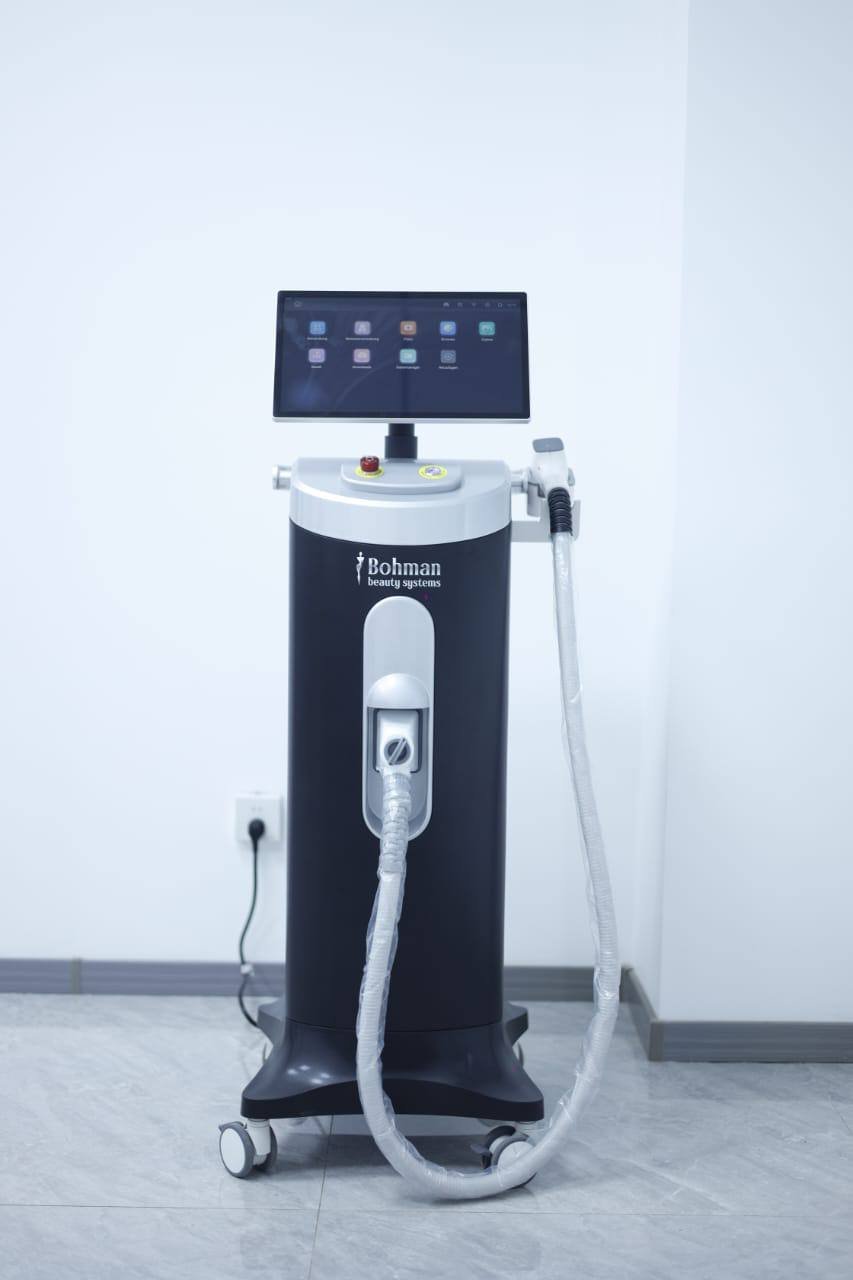
Incorporating advanced devices such as the DL 6000 Pro 4 diode laser from Bohman Beauty Systems can elevate treatment outcomes, offering a comprehensive, turnkey solution for any beauty clinic. This state-of-the-art equipment not only promotes effective results but also ensures customer satisfaction, making it an indispensable investment for professionals serious about skin science.
Conclusion
In conclusion, the advancements in laser skin science and IPL technologies offer exciting opportunities for those looking to address a variety of skin concerns. As the landscape of dermatology continues to evolve with new treatments and improved safety measures, understanding the science behind these technologies remains vital for consumers.
As you explore options for laser or IPL treatments, stay informed about emerging trends and advancements that enhance effectiveness and patient safety. The future of skin treatments looks promising, and with the right knowledge, you can make choices that reflect your individual needs for healthy, rejuvenated skin.