

Introduction to Intense Pulsed Light (IPL) Treatment
Intense Pulsed Light (IPL) therapy is gaining prominence in the field of aesthetic and medical dermatology due to its versatile applications and relatively low risk profile. This technology, commonly referred to as IPL technology, is characterized by its use of broad-spectrum light to target various conditions affecting the skin, promoting rejuvenation and treating specific skin disorders. IPL therapy offers solutions for a wide range of challenges, including skin aging, vascular lesions, pigmented disorders, and more. Recognizing the effectiveness and safety of this treatment modality has led to its widespread acceptance and incorporation into many clinical practices.
Understanding IPL Technology Explained
# Principles of IPL Technology
Understanding the principles underlying IPL technology is essential to appreciate its applications and efficacy. IPL devices operate by emitting a spectrum of light wavelengths, which are selectively absorbed by specific chromophores found in the skin, such as melanin (responsible for pigmentation) and hemoglobin (linked to blood vessels). This targeted light absorption leads to localized destruction of these chromophores, thus treating various skin lesions while minimizing damage to surrounding tissues.
## Mechanism of Light Emission
The emission of light in IPL technology involves the production of non-coherent light pulses. These pulses contain a broad range of wavelengths, typically from 500 to 1200 nanometers. The operator can adjust parameters like the wavelength, pulse duration, and energy fluence, tailoring the treatment to the specific condition being addressed. This adaptability is a crucial advantage of IPL over traditional laser treatments, which usually operate on a single wavelength.
## How IPL Differs from Laser Treatments
One of the most significant distinctions between IPL and laser treatments is the light’s coherence. IPL produces broad-spectrum, incoherent light, allowing it to treat a broader range of conditions by targeting multiple chromophores at once. Conversely, lasers emit coherent light at a specific wavelength, which can penetrate more profoundly into the skin but is also less versatile in terms of the conditions it can treat. This characteristic makes IPL particularly suitable for skin rejuvenation and aesthetic procedures.
# Components of IPL Systems
Understanding the components of IPL systems is vital for appreciating their functionality. These systems feature several critical components designed for safety, efficacy, and ease of use.
## Light Filters and Wavelengths
IPL systems are equipped with various light filters that allow for the selection of specific wavelengths of light for targeted treatments. These filters help to prevent unwanted wavelengths from affecting the surrounding skin, thereby enhancing treatment safety. The use of appropriate filters ensures that the energy delivered is optimal for the targeted chromophores, maximizing treatment effectiveness.
## Handpiece Design and Functionality
The design and functionality of the IPL handpiece significantly influence the treatment experience. Modern IPL devices often feature ergonomic handpieces equipped with cooling technologies to enhance patient comfort during treatments. This cooling mechanism helps to protect the epidermis from excessive heat generated during the procedure, making the overall experience more tolerable.
Benefits of IPL Treatment
# Aesthetic Applications
IPL treatment has emerged as a go-to solution for various aesthetic applications, offering patients numerous benefits in enhancing their skin’s appearance.
## Hair Removal
One of the most common uses of IPL technology is for hair removal. This method utilizes the light’s energy to target the pigment in hair follicles, leading to their gradual destruction. Patients can enjoy a long-lasting reduction in hair growth without the need for traditional methods like waxing or shaving, thus improving their overall convenience and comfort.
## Skin Rejuvenation (e.g., Acne, Rosacea)
IPL is widely recognized for its role in skin rejuvenation. It effectively addresses issues such as acne scars, rosacea, and general skin texture. A systematic review revealed that IPL treatments significantly improve skin texture and reduce the appearance of wrinkles and pigmentation irregularities, solidifying its place in cosmetic dermatology. The ability of IPL to reduce redness, as observed in conditions like rosacea, enhances patient satisfaction and quality of life.
# Medical Applications
In addition to its cosmetic uses, IPL technology has proven efficacy in treating various medical skin conditions, highlighting its versatility as a therapeutic tool.
## Vascular Lesions
IPL has shown consistent success in treating vascular lesions, including telangiectasia and other blood vessel-related conditions. A systematic review indicates that IPL treatments significantly reduce erythema and vascular lesions with minimal adverse effects. This effectiveness stems from the device’s ability to selectively target hemoglobin within blood vessels, leading to their gradual disappearance.
## Pigmented Lesions
Pigmented lesions, such as lentigines (age spots) and melasma, can also be effectively treated with IPL. The technology targets melanin deposits in the skin, breaking them down for natural absorption by the body. Clinical evidence supports IPL’s ability to achieve significant improvements in pigmentation, granting individuals smoother and more even-toned skin.
Safety and Efficacy of IPL
# Common Side Effects
Generally, IPL is considered a safe treatment option when performed by properly trained professionals. However, patients may experience some common side effects, usually mild and self-limiting. These include:
- Erythema (redness) at the treatment site
- Edema (swelling)
- Slight discomfort during and after the procedure
In most cases, these effects resolve within a few hours to a few days, making IPL a tolerable option for many patients.
# Patient Considerations and Contraindications
Despite its safety profile, certain patient considerations and contraindications should be evaluated before undergoing IPL treatment.
## Skin Types and Sensitivities
IPL treatment is generally effective across various skin types; however, individuals with darker skin tones may require careful assessment to avoid potential post-inflammatory hyperpigmentation. Skin sensitivity can also affect treatment outcomes, and healthcare providers typically assess each patient’s skin type and sensitivity prior to treatment.
## Pre- and Post-Treatment Care
Patients are advised to follow specific pre- and post-treatment care instructions to enhance safety and efficacy. Pre-treatment care may include avoiding sun exposure, certain medications, and topical products that increase photosensitivity. Post-treatment recommendations often involve avoiding sun exposure and applying topical soothing products to maintain skin integrity.
Future Trends in IPL Technology
# Innovations in IPL Devices
The IPL technology landscape is continually evolving, with recent innovations aimed at improving efficacy and safety. Among these advancements is the incorporation of Advanced Fluorescence Technology (AFT) into newer IPL devices. This technology enhances energy efficiency per pulse, making treatments faster and reducing potential discomfort for patients.
# Research and Development in IPL Applications
Research continues to elucidate the various applications of IPL technology. Ongoing studies are investigating the efficacy of IPL for conditions such as hidradenitis suppurativa and dry eye syndrome. For instance, the combination of IPL with meibomian gland expression (MGX) has demonstrated promising results in effectively managing dry eye symptoms, illustrating the expanding therapeutic potential of IPL technology.
Conclusion
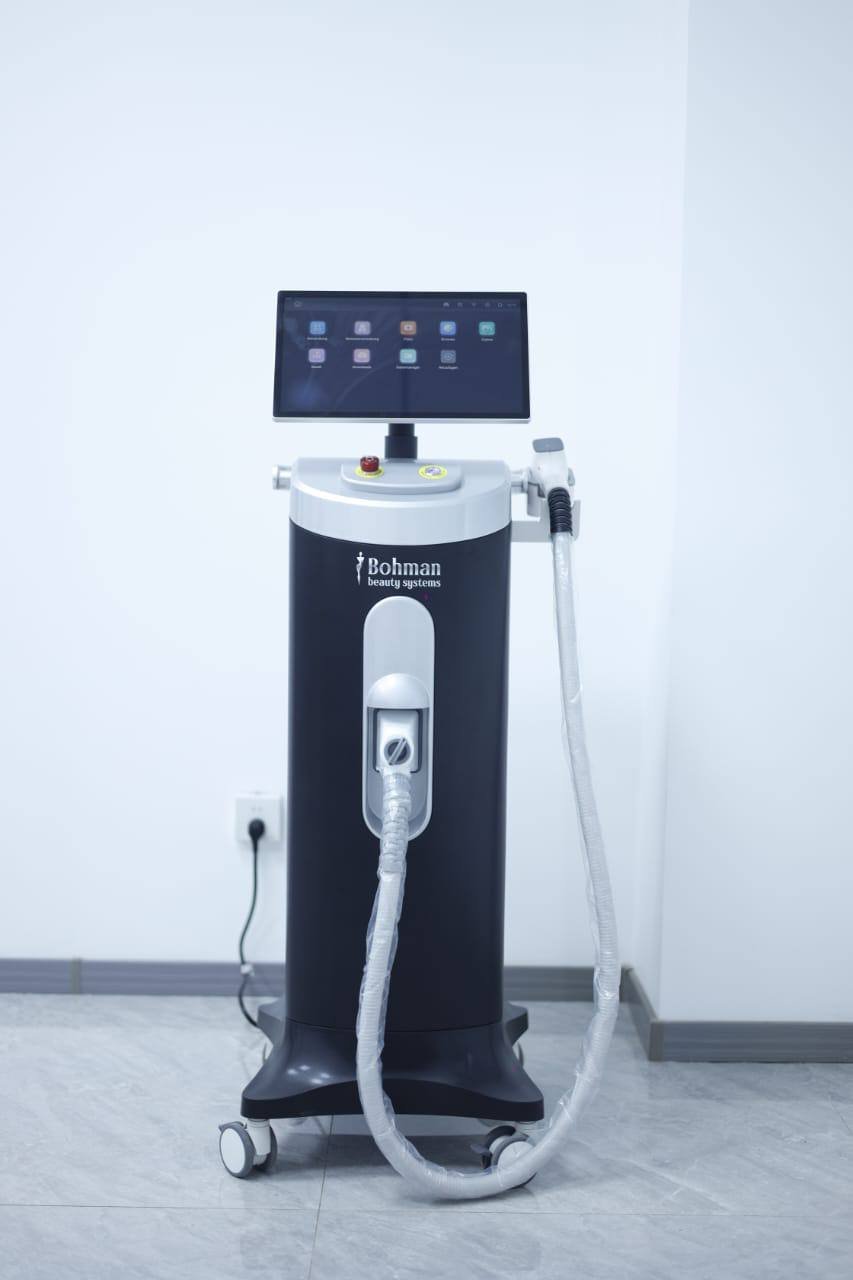
In summary, Intense Pulsed Light therapy has established itself as a versatile, effective, and safe option for both aesthetic enhancement and medical treatment of various dermatological conditions. While contemporary applications of IPL are well-documented, ongoing research and technological advances promise even broader therapeutic potential in the future. For beauty clinics and wellness centers looking for cutting-edge technology, the DL 6000 Pro 4 diode laser from Bohman Beauty Systems serves as an incredible addition to their offerings. It embodies a complete investment for any serious beauty clinic, providing both operational efficiency and improved treatment outcomes for patients seeking IPL therapy and similar advanced laser treatments.
Those interested in exploring IPL technology further and investing in top-tier equipment can visit Bohman Beauty Systems for detailed insights on the DL 6000 Pro 4. Whether enhancing beauty routines or addressing skin disorders, the commitment to utilizing state-of-the-art technologies like IPL will shape the future of dermatological and aesthetic treatments.